
Seasonal Wardrobe Transitions: Moving Between Climates and Occasions

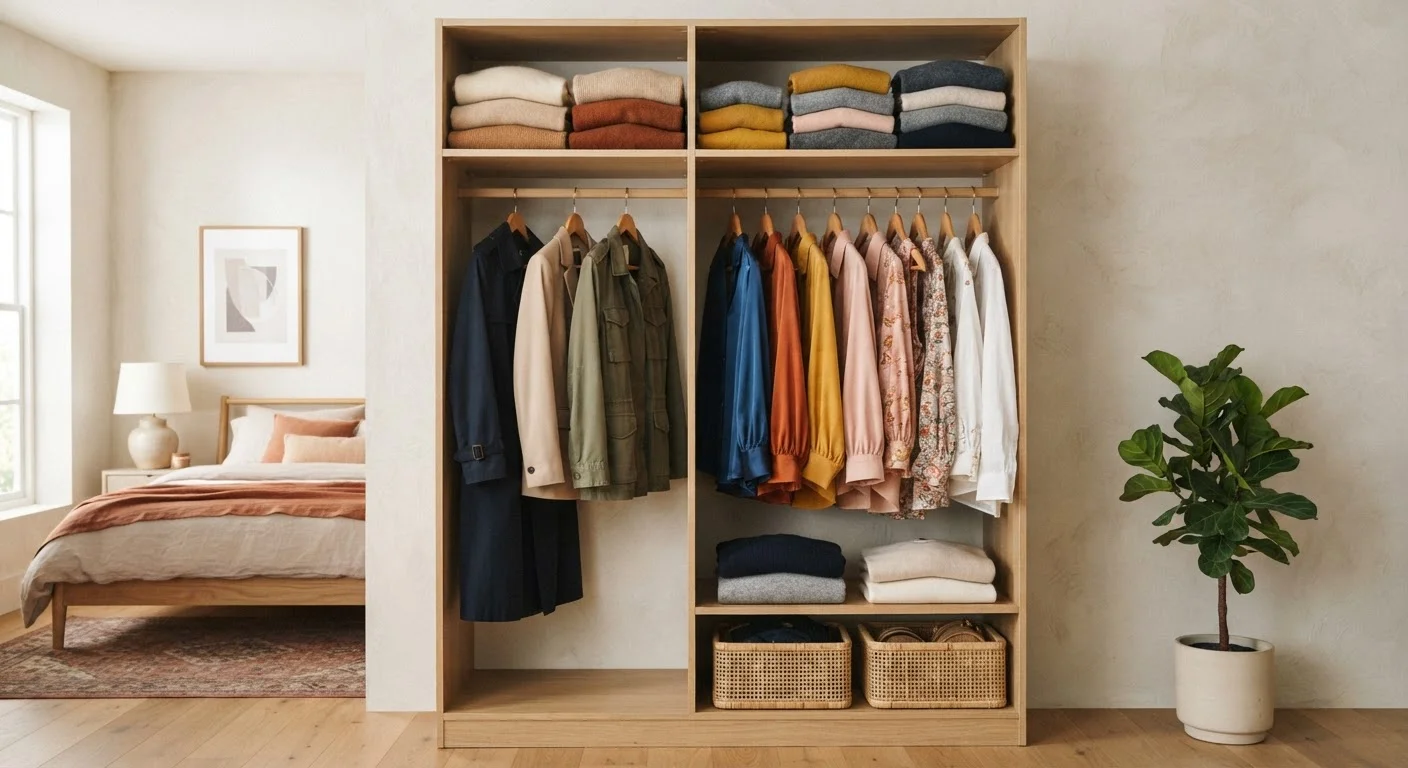
Photo: ConfiReads.com | Blogs For Inquisitive Minds editorial
Key Takeaways
- Versatile foundation pieces reduce the need for season-specific shopping.
- Layering is the most effective tool for navigating unpredictable temperatures.
- Accessories can shift a single outfit across multiple dress codes and occasions.
- Rotating your closet twice a year keeps options visible and decision-making faster.
- Thoughtful, selective buying beats a full seasonal overhaul every time.
Why Seasonal Transitions Feel So Overwhelming
Most wardrobe stress doesn't come from having nothing to wear - it comes from having the wrong things visible at the wrong time. When February's heavy knits are still front and center in April, or summer linens linger into October, it creates decision fatigue that makes getting dressed feel harder than it needs to be.
The good news: seasonal wardrobe transitions don't require a complete closet purge or a fresh shopping spree. With a clear strategy, most people can move fluidly between changing temperatures and occasions using what they already own - just reorganized and rethought.
Start With a 10-Minute Closet Audit
The Transition-Proof Wardrobe Foundation
Certain pieces work across multiple climates without any styling heroics. These are your wardrobe workhorses - and prioritizing them is the fastest way to simplify transitions.
- Medium-weight denim: Not too stiff for summer evenings, not too light for fall afternoons. A straight or slim-cut pair in a dark wash reads casual or dressed-up depending on what it's paired with.
- Neutral crewneck or V-neck sweaters: Lightweight merino or cotton blends work in air-conditioned offices during summer and layer easily under jackets in colder months.
- Ankle boots and white sneakers: Between them, these two shoe categories cover most occasions and temperatures for at least eight months of the year.
- A versatile mid-layer jacket: A tailored blazer, a chore coat, or a structured shirt jacket - something that bridges the gap between a cardigan and a winter coat.
If you're working toward a more intentional closet overall, our guide to what a capsule wardrobe actually means breaks down how this philosophy works in practice.
80%
Of wardrobe worn only 20% of the time
The oft-cited 80/20 wardrobe rule - supported by consumer behavior research - suggests most people regularly wear only a fraction of what they own, highlighting the case for intentional curation.
2x/year
Optimal closet rotation frequency
Professional organizers and stylists broadly recommend a spring and fall rotation as the minimum needed to keep wardrobes functional and decision-making efficient.
Layering as Your Secret Weapon
Layering is the most practical response to transitional weather - but it only works when done intentionally. The goal is pieces that add warmth or coverage without creating visual bulk or restricting movement.
Think in three zones: a base (fitted tee or tank), a mid-layer (light knit, button-down, or zip-up), and an outer layer (jacket, trench, or vest). You can peel back as the day warms up without losing the coherence of the look.
Fabric choice matters here. Natural fibers like cotton, linen blends, and lightweight wool breathe well and layer cleanly. Avoid pairing two thick fabrics - one slim, one textured reads far better than two chunky pieces stacked together.
For a deeper breakdown of how to pull this off without adding apparent size, see our full guide on layering clothes without adding bulk.
When layering for transitional weather, start with your thinnest layer next to your skin and add weight gradually outward - never reverse this order or you'll trap heat unevenly.
Invest in one genuinely versatile mid-layer - a structured overshirt or unlined blazer - before filling any other wardrobe gap. It will extend more outfits than almost any other single piece.
Adapting for Occasion Shifts
Seasonal changes rarely happen in isolation - they often coincide with shifts in your schedule. Back-to-school, fall work cycles, summer weddings, holiday gatherings: the occasion calendar moves alongside the temperature one.
The key is building outfits around adjustable elements rather than occasion-specific pieces. A midi skirt that works for a Saturday farmer's market can go to a Sunday brunch or a casual Friday at the office with a different top and shoes. A linen blazer handles both a summer rooftop event and an early fall work meeting.
Accessories do significant lifting here. A structured tote, a leather belt, or a silk scarf can shift the formality of a look without changing a single clothing item. Explore how everyday accessories change an outfit's entire read to get more mileage from what you already own.
If dress code language ever trips you up during these occasions shifts, our guide to decoding dress codes walks through the terminology clearly.
Occasion Dressing Is About Flexibility, Not Formulas
Practical Storage and Rotation Strategy
A twice-yearly closet rotation - once in spring, once in fall - is the most effective structural habit you can build. Rather than a full purge, think of it as a reorder: move off-season pieces to secondary storage (bins, garment bags, an under-bed organizer) and bring transitional and current-season items to eye level.
Before packing anything away, run through a quick checklist: Does it fit? Does it need repair? Did you actually wear it this past season? Honest answers here prevent the accumulation that makes future transitions harder.
Group items by function rather than color alone - outerwear together, workwear together, casual weekend pieces together. This makes building outfits faster and makes gaps in your wardrobe more obvious when you're considering what to buy next.
Climate Matters More Than the Calendar
Shopping Smart During Transitions
Transitional seasons are when retailers drop their heaviest promotions - which can make impulse buying feel justified. The smarter move is to shop with a short list based on gaps your rotation revealed, not on what's trending at the moment.
Before buying anything new, consider whether it genuinely works across at least two seasons and two occasion types. A cashmere-blend turtleneck that works for fall weekends and winter work? Worth it. A neon puffer that fits only one aesthetic in one cold month? Harder to justify.
For a broader perspective on how buying choices affect your wardrobe long-term, it's worth understanding the trade-offs between fast and slow fashion approaches. And if you're open to secondhand options, our look at thrift shopping vs. buying new lays out the honest trade-offs.
The most empowering wardrobe isn't the biggest one - it's the one that actually works for your real life, season after season.
Layering Clothes Without Adding Bulk
A practical guide to layering techniques that keep outfits looking intentional across changing temperatures - essential reading for any wardrobe transition.
The Capsule Wardrobe Guide
Breaks down the capsule wardrobe concept clearly - what it is, where it came from, and how to decide if a more minimal, curated approach suits your lifestyle.
Dress Codes Decoded
A clear breakdown of business casual, smart casual, and other common dress code terms - useful when occasion shifts accompany your seasonal wardrobe changes.
The content on this site is for informational purposes only and is not a substitute for professional advice. Always consult a qualified professional for guidance specific to your situation.