
Layering Clothes Without Adding Bulk

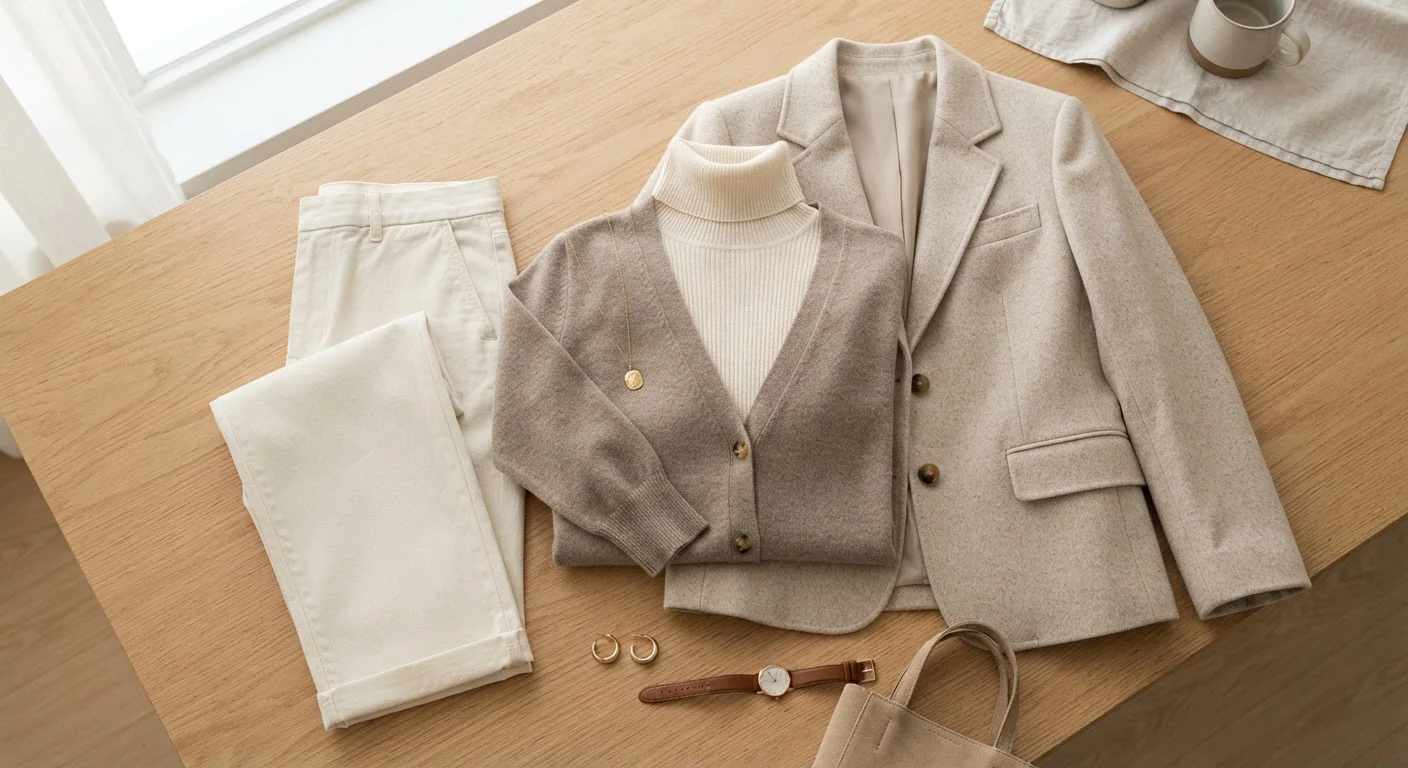
Photo: ConfiReads.com | Blogs For Inquisitive Minds editorial
Key Takeaways
- Layering works best when each piece is slightly slimmer than the one on top of it.
- Fabric weight matters as much as color - lightweight bases prevent unwanted bulk.
- Proportion and fit are the real secrets to keeping layers looking polished, not accidental.
- Tonal color combinations make multiple layers read as one intentional, streamlined look.
- Knowing which layer to remove or add gives your outfit versatility across temperature changes.
Why Layering Goes Wrong
Layering is one of the most versatile tools in everyday dressing - but it earns its bad reputation when pieces compete instead of cooperate. The result is an outfit that reads as bulky, mismatched, or simply too much. The culprit is almost never the idea of layering itself; it's a mismatch in fit, fabric, or proportion.
If your outfits sometimes feel off even when the individual pieces are nice, this breakdown of fit and proportion explains the underlying principles at work. Layering amplifies whatever is already happening with silhouette - so when the foundation is right, adding layers only improves things.
Test Your Layers Before You Leave
The Core Principles of Bulk-Free Layering
Smart layering follows a simple logic: each layer should be slightly more relaxed or structured than the one beneath it, and fabrics should graduate in weight from thin to substantial.
Always start with your slimmest, lightest-weight piece as your base layer.
Tuck or half-tuck inner layers to define your waistline.
Match collar heights deliberately to create visible, intentional layering.
Limit your active layers to three at most for everyday wear.
Choose fabrics that lie flat rather than ones that cling or puff.
These principles apply across seasons. For more on adapting your wardrobe as the weather shifts, see our guide on seasonal wardrobe transitions.
Quick Wins You Can Apply Today
You don't need a new wardrobe to layer better - small adjustments to what you already own make a significant difference. Start here:
If you're building your closet from the ground up and want pieces that layer naturally, this wardrobe-building guide covers the foundational pieces worth prioritizing.
Color, Texture, and the Power of Tonal Dressing
Color is your biggest ally - or your biggest obstacle - when layering. Combining pieces in the same color family (called tonal dressing) creates a long, unbroken visual line that reads as sleek rather than piled-on. A cream tee under a camel cardigan under a tan trench works precisely because the eye reads it as one cohesive shape.
Texture variation within a tonal palette adds visual interest without chaos. Think a matte cotton base under a ribbed knit under a smooth wool coat. Each layer contributes depth without introducing a competing color story.
“Color is the element that most quickly tells a viewer whether an outfit is intentional or accidental. When your layers share a color story, the eye reads them as one - and that unity is what we call style.”
— Tim Gunn, Fashion consultant and author on style fundamentals
Contrast, when used deliberately, can also work - but limit it to one intentional break. A bright scarf against an all-neutral stack draws the eye upward and feels purposeful rather than mismatched. For an honest look at which style rules actually hold up, see our piece on common style myths.
Finally, your layers are only as good as the condition of each piece. Pilled knitwear and stiff, poorly stored fabric undercut even the best outfit formula. Caring for your clothes properly keeps every layer looking intentional season after season.
This article is for general style and fashion information only. Personal styling needs vary - experiment with what makes you feel most confident.
The content on this site is for informational purposes only and is not a substitute for professional advice. Always consult a qualified professional for guidance specific to your situation.