
Fast Fashion vs. Slow Fashion: What the Difference Means for Your Closet

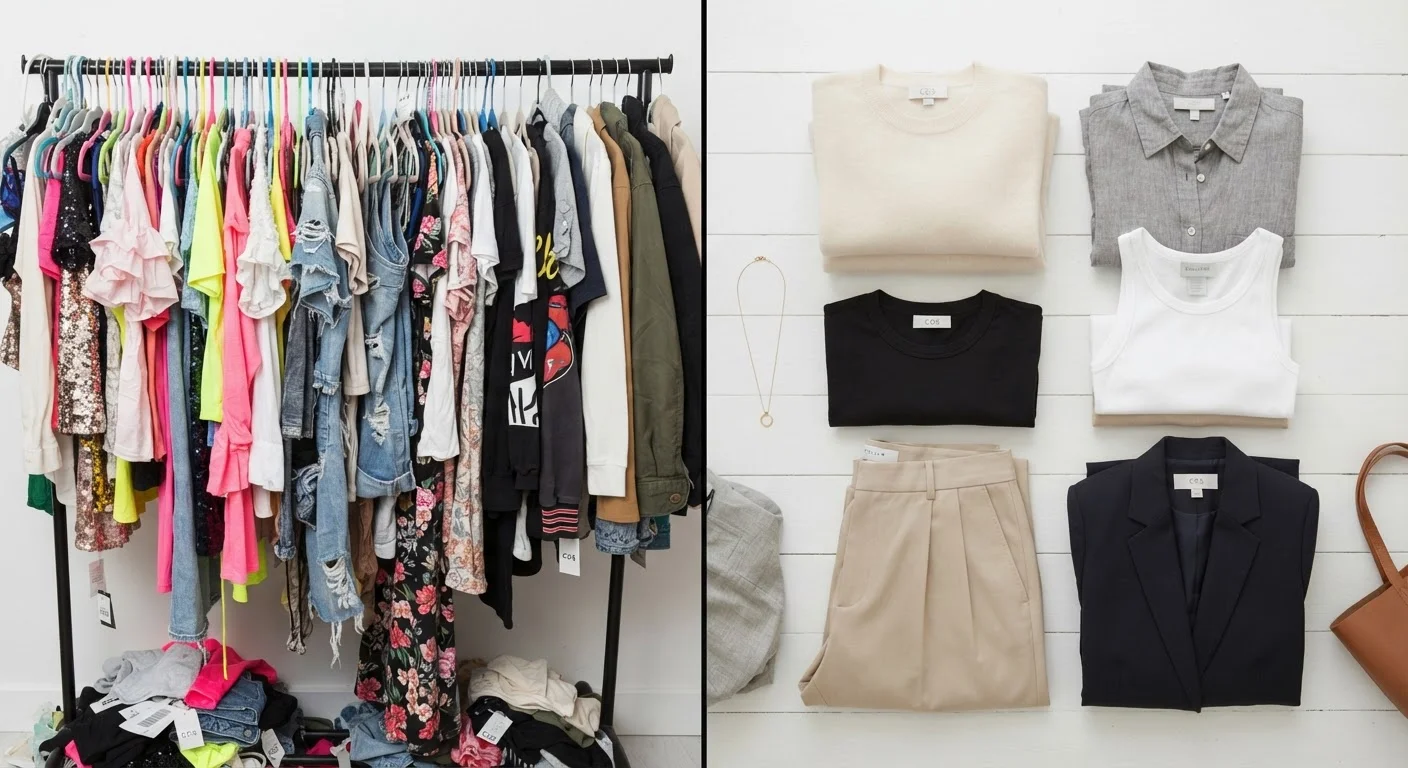
Photo: ConfiReads.com | Blogs For Inquisitive Minds editorial
Key Takeaways
- Fast fashion prioritizes low cost and trend speed; slow fashion prioritizes quality, ethics, and longevity.
- Slow fashion pieces often cost more upfront but may deliver better cost-per-wear value over time.
- Fast fashion's environmental footprint - water use, textile waste, emissions - is significantly larger than slow fashion's.
- Neither model is perfect; most wardrobes realistically blend elements of both approaches.
- Understanding fabric quality and garment construction helps you shop smarter regardless of the model you choose.
What Fast Fashion Actually Means
Fast fashion refers to a retail model built on producing large volumes of trend-driven clothing quickly and cheaply. Brands operating in this space move styles from runway or social media inspiration to store shelves in a matter of weeks, often releasing new collections weekly rather than seasonally. The business model depends on low manufacturing costs - frequently achieved through overseas production - and high consumer turnover: the expectation that shoppers will buy often and replace frequently.
The appeal is real. Fast fashion democratized access to current styles, making trend-forward dressing possible at nearly any budget. But the trade-offs are significant. Garments are typically constructed from lower-cost synthetic materials - think polyester blends - that wear out faster and are harder to recycle. The industry is also one of the most resource-intensive in the world, contributing substantially to water pollution and textile waste. Understanding how fabric choice affects durability and care is one of the most practical ways to evaluate any piece before buying it, fast fashion or otherwise.
| Criterion | Fast Fashion | Slow Fashion |
|---|---|---|
| Price per item | Low to very low | Moderate to high |
| Trend responsiveness | Very fast (weeks) | Slower, seasonal or less |
| Garment lifespan | Shorter (often 1-2 seasons) | Longer (multiple years) |
| Typical materials | Synthetic blends, lower-grade fabrics | Natural, recycled, or certified fabrics |
| Supply chain transparency | Often limited | Generally higher |
| Environmental impact | Higher (waste, water, emissions) | Lower, though not zero |
| Cost-per-wear over time | Can be higher due to replacement | Often lower with proper care |
What Slow Fashion Stands For
Slow fashion is the deliberate counterpoint to the fast fashion model. The term, popularized in fashion criticism circles, describes an approach that prioritizes quality craftsmanship, ethical supply chains, environmental responsibility, and longevity over speed and volume. Slow fashion brands often work with natural or sustainably sourced fabrics, pay living wages, and produce smaller runs of pieces designed to last seasons - or years - rather than weeks.
For the shopper, slow fashion usually means spending more per piece upfront. A well-made slow fashion coat might cost three to five times the price of a comparable fast fashion version. The argument for it centers on cost-per-wear: if a $180 jacket lasts five years with regular use versus a $40 version that needs replacing annually, the math can shift. That said, higher price does not automatically mean ethical or sustainable - it's worth reading brand transparency reports and third-party certifications when that distinction matters to you. Slow fashion also pairs naturally with secondhand shopping; our breakdown of thrift store shopping versus buying new covers that overlap in more detail.
92M tons
Textile waste produced globally each year
According to the Ellen MacArthur Foundation, the fashion industry generates approximately 92 million tons of textile waste annually.
~10%
Share of global carbon emissions from fashion
The United Nations Environment Programme has estimated that the fashion industry accounts for around 10% of annual global carbon emissions.
3x faster
Rate of fashion trend cycles vs. two decades ago
Industry analysts note that major retailers now introduce new styles at roughly three times the pace seen in the early 2000s.
Building a Wardrobe That Works for Your Real Life
Most people's closets don't live fully in one camp or the other - and that's fine. A practical approach is to identify which categories of clothing benefit most from quality investment (workwear, outerwear, everyday basics) and where it makes less sense to spend heavily (trend pieces you'll wear once or twice, occasion-specific items). This is essentially the foundation of building a wardrobe with intention, which connects to broader ideas about fit, style, and personal taste.
When shopping either model, a few practical checks help: examine seam stitching, test fabric weight and texture, and check whether care instructions suggest durability. Fast fashion pieces with decent construction do exist - and slow fashion brands aren't immune to quality inconsistencies. Being an informed buyer matters more than brand allegiance. If you're working through seasonal wardrobe decisions, our guide on seasonal wardrobe transitions offers a framework for adapting what you already own before buying new.
Price Doesn't Always Equal Ethics
The content on this site is for informational purposes only and is not a substitute for professional advice. Always consult a qualified professional for guidance specific to your situation.