
Fitness & Exercise

Before You Start a New Exercise Program: A Practical Self-Checklist

Before You Start a New Exercise Program: A Practical Self-Checklist

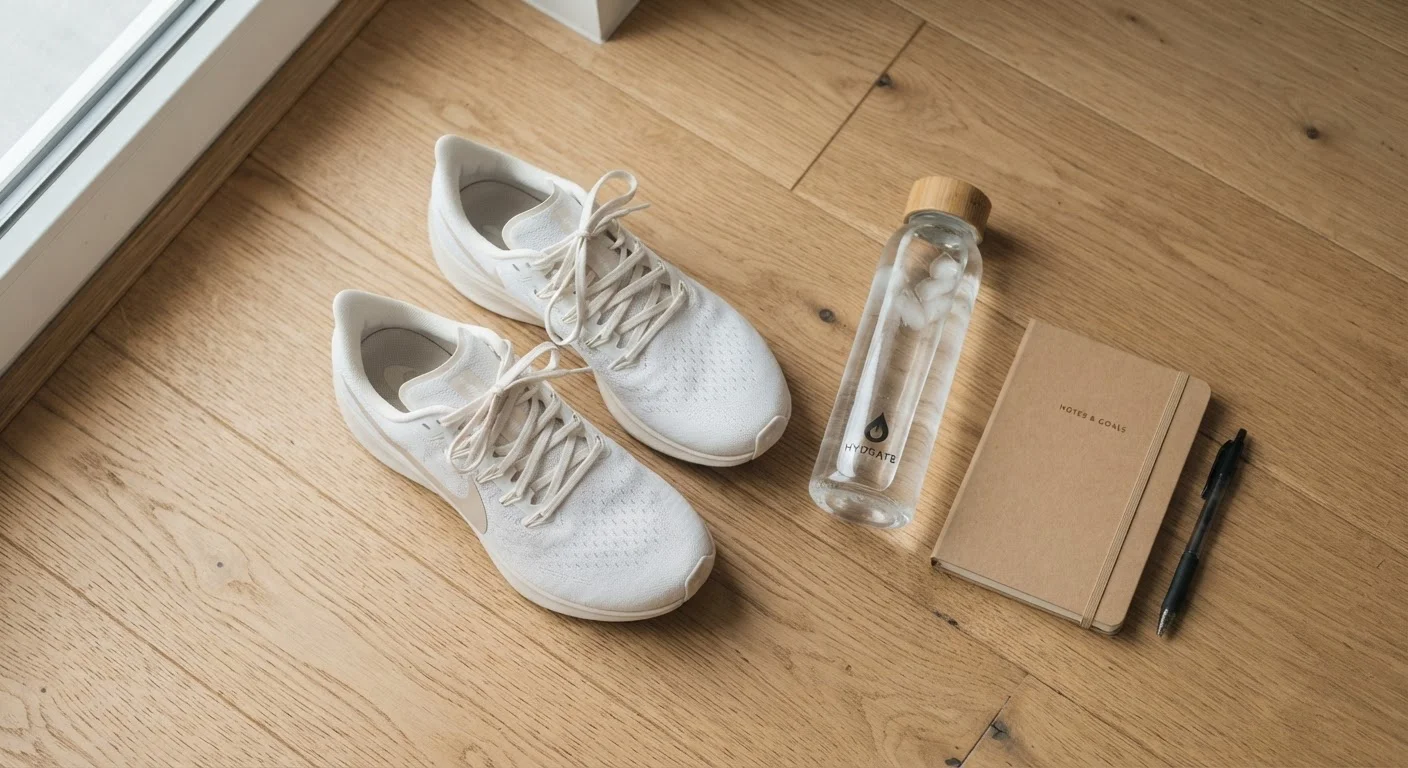
Photo: ConfiReads.com | Blogs For Inquisitive Minds editorial

Starting a fitness routine with the right foundation reduces injury risk and sets you up for consistency. Run through this checklist before your first session.

Key Takeaways

  • Clearing basic health checkpoints before starting reduces your risk of injury and early burnout.
  • A realistic goal and a manageable schedule are more valuable than the perfect program.
  • The right footwear and basic equipment matter more than most people expect.
  • Warming up and cooling down are non-negotiable parts of every session, not optional extras.
  • Nutrition and hydration habits should be set up alongside — not after — your training plan.

Why a Pre-Exercise Checklist Actually Matters

Most people start a new exercise program with enthusiasm and no plan. Two weeks later, that enthusiasm collides with sore knees, a schedule that doesn't hold, or goals that were never concrete enough to guide real decisions. This checklist exists to close that gap.

Working through these items before your first session helps you begin with a foundation that supports consistency — not just initial motivation. It's not about perfection or complexity. It's about removing the most common reasons people stop. Whether you're returning to fitness after a long break or starting from scratch, the same preparation principles apply.

For age-specific considerations — particularly if you're in your 40s, 50s, or beyond — see our article on how exercise needs shift across adulthood. And if you're already thinking about home workouts specifically, our guide to building a home workout routine picks up where this checklist leaves off.

Health & Medical Readiness

Check whether you need medical clearance — if you have a chronic condition, a recent injury, cardiovascular symptoms, or haven't exercised in over a year, see your doctor before starting. Must
Review any current medications with your pharmacist or physician, since some affect heart rate response, hydration needs, or exercise tolerance. Must
Note any joint pain, recurring soreness, or movement limitations so you can modify exercises appropriately from day one rather than pushing through and worsening the issue. Must
If you are pregnant, postpartum, or managing a chronic condition, seek professional guidance specific to your situation before following general fitness advice. Must

Goals & Scheduling

Write down one or two specific, realistic goals — not just "get fit," but something measurable like being able to walk 30 minutes without stopping within six weeks. Must
Decide honestly how many days per week you can train and protect that time in your calendar before other commitments fill it. Must
Plan for rest days intentionally — recovery is when your body adapts, so build it into your weekly structure rather than treating it as failure. Must
Identify a backup option (a short walk, a 10-minute bodyweight routine) for days when your primary plan falls through, so skipping one session doesn't break the habit entirely. Should

Equipment & Environment

Invest in supportive footwear appropriate to your activity — worn-out soles and the wrong shoe type are common contributors to shin splints, knee pain, and ankle issues. Must
Ensure your exercise space is safe and unobstructed — check for tripping hazards, adequate lighting, and a surface appropriate for your activity. Must
Gather any minimal equipment you actually need before your first session so a missing item doesn't become an excuse to skip. Should
Set up a way to track your sessions — a simple notebook, a free app, or a calendar — so you can see your progress over time. Nice to have

Nutrition & Hydration

Establish a pre-workout eating habit — most people do well with a light meal or snack one to two hours before exercise rather than training completely fasted or overly full. Should
Set a baseline hydration routine: aim to be well-hydrated going into each session and have water accessible throughout. Must
Review your overall eating pattern to ensure it supports activity — adequate protein and carbohydrates matter more than any supplement when you're starting out. Should

Warm-Up, Cool-Down & Recovery

Plan a five to ten minute warm-up for every session — dynamic movement that raises your heart rate gradually reduces injury risk and prepares your joints. Must
Schedule a cool-down period after every workout, including light movement and gentle stretching, to aid recovery and reduce post-exercise soreness. Must
Prioritise sleep — seven to nine hours for most adults supports muscle repair, hormone balance, and the motivation needed to stay consistent. Should

Tools and Resources to Have Ready

You don't need a lot of equipment to start exercising effectively — but a few basics make a real difference in safety and follow-through.

Required

Supportive athletic footwear

Provides the cushioning and stability appropriate to your chosen activity, reducing lower-limb injury risk from day one.

Required

Water bottle

Keeps you hydrated throughout every session without needing to leave your workout space.

Optional

Workout journal or tracking app

Lets you log sessions, monitor progress, and identify patterns that inform how you adjust over time.

Optional

Resistance bands or light dumbbells

Provides scalable resistance for strength-based movements without requiring a gym or significant investment.

Optional

Yoga mat or exercise mat

Cushions floor-based movements and defines a consistent workout space, particularly useful for home training.

Once your gear is sorted, your next focus should be the structure of your sessions themselves. Don't overlook what happens at the start and end: our guide to warming up and cooling down explains why those five to ten minutes at each end of your workout aren't optional. Supporting your exercise habits with solid nutrition is equally important — explore our Nutrition & Diet hub for straightforward guidance on eating habits that complement an active lifestyle.

When to See a Doctor First

If you experience chest pain or pressure, unusual shortness of breath, heart palpitations, dizziness, or fainting — at rest or during activity — stop exercising and seek medical evaluation before continuing. These symptoms are not normal responses to starting a fitness program and warrant professional assessment. This checklist is general guidance for healthy adults beginning low-to-moderate intensity activity; it is not a substitute for individualised medical advice.

This article provides general health and fitness information for educational purposes only. It is not a substitute for personalised medical advice. If you have any existing health conditions, injuries, or concerns, consult a qualified healthcare professional before beginning any new exercise program.

Health & Wellness Editorial Team

ConfiReads.com | Blogs For Inquisitive Minds

Health & Wellness Editorial Team is the collective byline for our editorial team and contributor network. Articles published under this byline or an editorial pen name are researched, written, and reviewed according to our editorial standards for clarity, consistency, and independence before publication.

Fitness & ExerciseNutrition & DietMental Well-Being
View author profile

The content on this site is for informational purposes only and is not a substitute for professional advice. Always consult a qualified professional for guidance specific to your situation.