
Dress Codes Decoded: Business Casual, Smart Casual, and Everything In Between

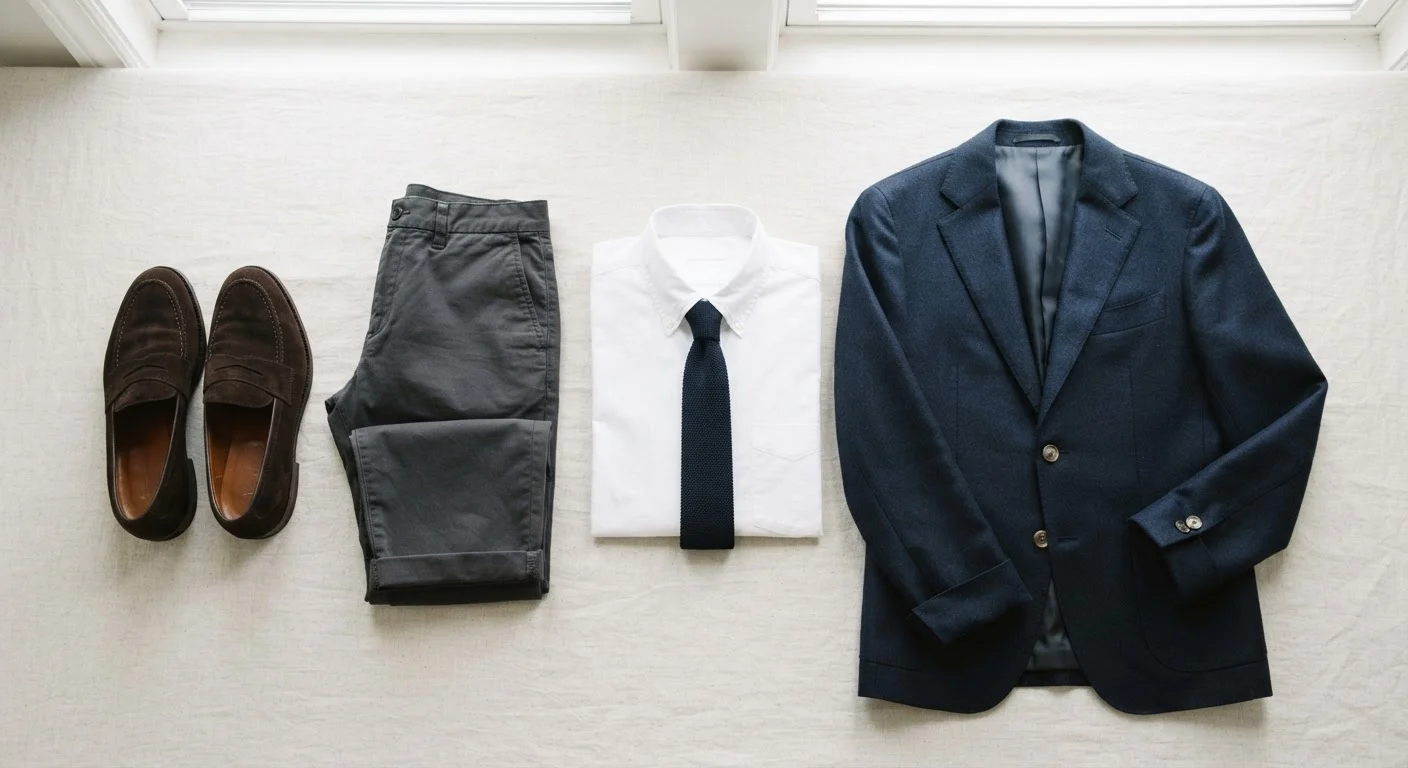
Photo: ConfiReads.com | Blogs For Inquisitive Minds editorial
Why Dress Codes Feel So Confusing
Dress codes exist to help everyone arrive on the same page - but somewhere between the invitation and the closet, the language falls apart. Terms like business casual and smart casual sound specific, yet they're interpreted differently by nearly every workplace, venue, and host who uses them. The result? Perfectly capable adults standing in front of their closets, baffled.
The good news: the spectrum from casual to formal follows a consistent logic once you understand the underlying signals. These aren't arbitrary fashion rules - they're shorthand for how much effort and formality a setting calls for. Once you crack that code, dressing appropriately becomes a lot less stressful - and a lot more fun.
| Most commonly misunderstood dress code | Business Casual (Frequently cited in workplace style surveys and HR guides) |
| Smart Casual occasions | Date nights, casual weddings, creative offices, gallery openings |
| Key difference: Business Casual vs. Smart Casual | Business Casual leans corporate; Smart Casual leans social |
| Cocktail attire hem guideline | Knee-length to midi (typically 1-3 inches above or below the knee) (General style industry convention) |
| When to ask the host | Always appropriate if the invitation is ambiguous |
| Accessories' role in dress codes | Can shift a look up or down an entire tier |
For a deeper look at which style rules are worth following and which you can safely ignore, see our breakdown of style myths.
The Dress Code Spectrum, Defined
Business Formal
The most elevated professional dress code, typically requiring a suit and tie for men and a tailored suit or formal dress for women. Think boardrooms, legal settings, and black-tie-adjacent corporate events.
Business Casual
A relaxed professional standard that still signals polish - blazers, chinos, and neat blouses are common. It falls between formal suiting and everyday casual wear.
Smart Casual
An elevated everyday look that's dressed up but not corporate - think dark jeans, a structured top, and clean sneakers or loafers. Popular for social events, casual dinners, and creative workplaces.
Cocktail Attire
A semi-formal dress code calling for knee-length or midi dresses, dressy jumpsuits, or suits in richer fabrics. Not quite black-tie, but decisively more formal than smart casual.
Casual Dress Code
The most relaxed end of the spectrum, where comfort and personal expression lead. Jeans, T-shirts, and sneakers are fully appropriate - though 'casual' doesn't mean sloppy.
Dress Code Signaling
The social function of clothing choices - how your outfit communicates respect for an occasion, host, or setting, even when the rules are unspoken.
Casual
Casual means comfortable, not careless. Jeans, graphic tees, clean sneakers - all fair game. The key word is clean: wrinkled, worn-out, or stained clothing reads as indifference rather than relaxed ease.
Smart Casual
Smart casual is casual with intention. It's the dress code of Saturday dinners, gallery openings, and modern creative offices. A great smart casual formula: dark jeans or tailored trousers + a polished top or lightweight sweater + leather sneakers or loafers. Avoid athletic wear, logo-heavy pieces, and anything overly casual in fabric or silhouette.
Business Casual
Business casual is where most confusion lives. It's professional enough for client meetings and office environments, but not so formal that you need a full suit. Think chinos or dress trousers, a neat button-down or blouse, a blazer (optional but often elevating), and closed-toe shoes. Denim is a gray area - some offices welcome dark, clean jeans; others don't. When uncertain, leave the jeans at home.
Business Formal / Professional
Full suit territory. Tailored blazer, matching trousers or skirt, dress shirt, polished shoes. This is the default for law firms, finance, formal presentations, and executive settings. Accessories should be understated - this is not the moment for bold experimentation.
Cocktail Attire
A cocktail dress code calls for elevated evening wear - not quite a gown, but decisively dressy. Knee-to-midi dresses, sleek jumpsuits, or a well-cut suit in a richer fabric (velvet, silk, jacquard) all work. Avoid anything too casual in cut or fabric, and lean into accessories to complete the look. See how accessories can shift your entire outfit's register in our accessory guide.
Smart Shortcuts for Any Dress Code
When in Doubt, Ask - It's Always Okay
A few reliable principles work across every tier of the dress code spectrum:
- Fit beats price every time. A well-fitted $40 blazer reads more polished than an ill-fitting designer one. Tailoring is genuinely worth the cost for key pieces.
- Fabric signals formality. Linen, jersey, and cotton read casual. Wool, silk, structured twill, and crepe read formal. Mixing one formal fabric into an otherwise casual outfit lifts the whole look.
- Shoes carry more weight than most people realize. Clean, intentional footwear - even a sleek white sneaker - elevates an outfit. Scuffed or overly athletic shoes undercut an otherwise polished look.
- Accessories shift the tier. A structured bag, a simple watch, or a well-chosen belt can move a look from smart casual to business casual without changing a single clothing item. Our color coordination guide covers how to make these choices feel cohesive.
Finally, consider the setting holistically - not just the dress code label. A cocktail party at an art museum reads differently than one at a country club. When you're not sure how to approach an occasion, our guide to dressing for your body shape can help you choose pieces that work confidently for you across any dress code. Transitioning pieces between dress codes seasonally is also easier than it sounds - the seasonal wardrobe transitions guide shows you how to adapt core items across climates and occasions.
61%
Workers confused by 'business casual' guidelines
A survey by workplace consultancy OfficeTeam found a majority of employees were uncertain what business casual actually permitted.
1 in 3
Americans have worn the wrong outfit to an event
Consumer research on dress code literacy consistently shows dress code misreads are a near-universal experience.
The content on this site is for informational purposes only and is not a substitute for professional advice. Always consult a qualified professional for guidance specific to your situation.