
Defensive Driving: What It Actually Means and Why It Matters

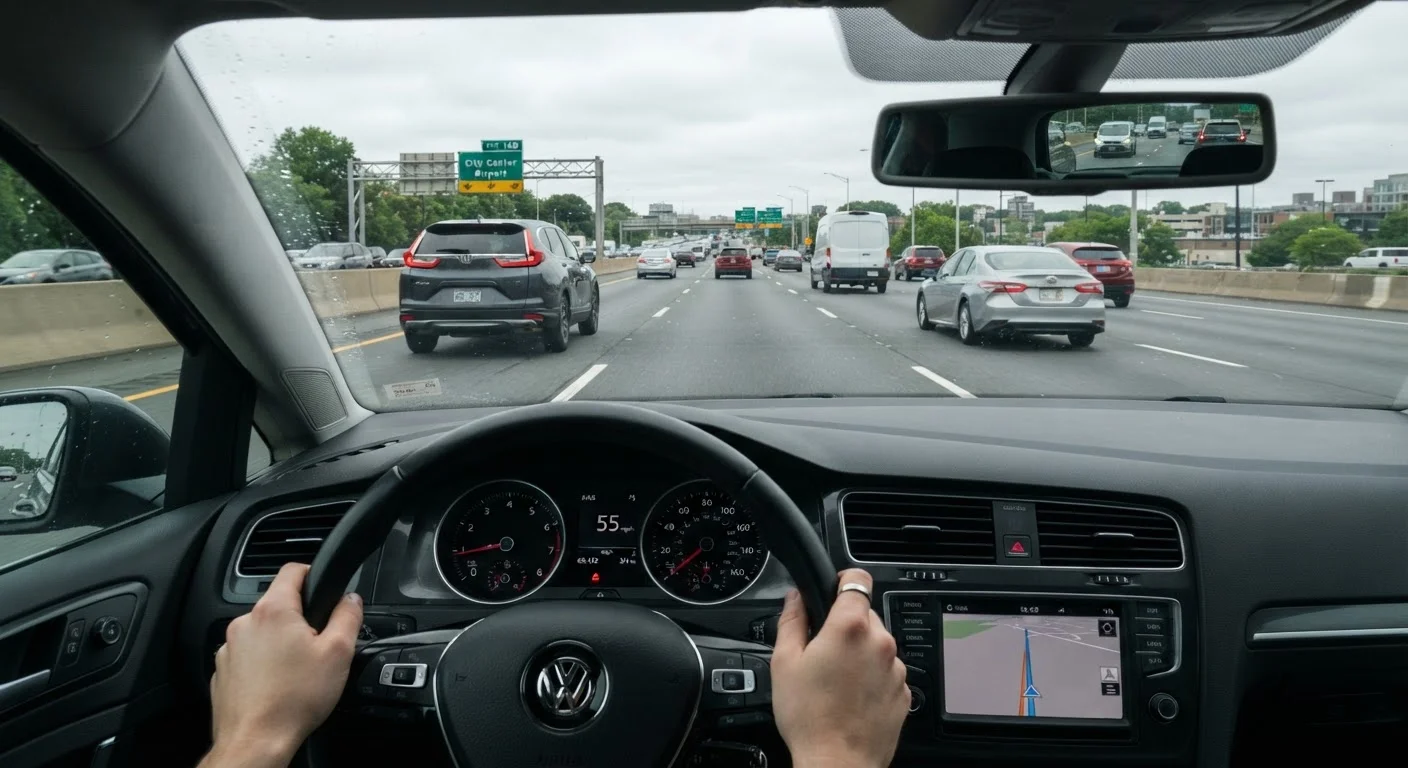
Photo: ConfiReads.com | Blogs For Inquisitive Minds editorial
Key Takeaways
- Defensive driving means anticipating hazards, not just reacting to them.
- Maintaining adequate following distance is one of the most important defensive habits.
- Scanning intersections, mirrors, and blind spots should be continuous, not occasional.
- Weather, road surface, and traffic density all change the level of defensive attention required.
- Defensive driving applies equally to beginners and experienced drivers.
Beyond the Rules: What Defensive Driving Actually Involves
Most drivers equate safety with compliance - signal your turns, stop at red lights, stay within the speed limit. These are necessary, but they're the floor, not the ceiling. Defensive driving is built on the recognition that you can do everything correctly and still face serious danger because of what other road users do around you.
The core principle is anticipation. A defensive driver doesn't just respond to events - they read traffic, road conditions, and other drivers' body language early enough to create options before a situation becomes critical. That means asking, continuously: What could go wrong in the next five seconds, and am I positioned to handle it?
This mindset applies to every driving environment, from familiar neighborhood streets to unfamiliar interstate stretches. It also pairs directly with understanding the broader landscape of road safety that affects American drivers daily.
Start With the Two-Second Check
The Core Habits That Define Defensive Driving
Defensive driving isn't a single technique - it's a cluster of reinforcing habits practiced together.
- Maintaining following distance: Tailgating is one of the leading contributors to rear-end collisions. The three-second rule - keeping at least three seconds of space between you and the vehicle ahead - gives your brain and brakes time to respond. In wet or icy conditions, that gap should increase substantially. Stopping distance is longer than most drivers instinctively assume.
- Scanning broadly and continuously: Effective drivers look 10-15 seconds ahead, not just at the bumper in front of them. Mirrors should be checked every 5-8 seconds, and blind spots verified before any lane change.
- Managing speed for conditions: Posted limits are set for ideal conditions. Rain, construction, heavy traffic, and nighttime all warrant lower speeds - not just to comply with the law, but because speed directly affects crash severity.
- Anticipating other drivers' errors: Assume that other drivers may run late yellow lights, merge without signaling, or brake suddenly. Positioning your vehicle to give yourself an escape route is a key defensive skill.
- Minimizing distractions: Cognitive load matters. Even hands-free phone conversations measurably reduce hazard detection. Defensive driving requires sustained attention - not just hands on the wheel.
~94%
Crashes involving human choice or error
The National Highway Traffic Safety Administration attributes approximately 94% of serious crashes primarily to human factors, not mechanical failure or road design.
3 sec
Minimum recommended following distance
Traffic safety experts widely recommend maintaining at least a three-second gap behind the vehicle ahead under normal conditions, extending further in adverse weather.
4×
Crash risk increase when running red lights
Studies by the Insurance Institute for Highway Safety indicate that red-light running is a significant factor in urban intersection fatalities, with substantial risk elevation at signalized intersections.
Situational Awareness: Adapting to Changing Conditions
One of the clearest markers of a defensive driver is how quickly and completely they adapt when conditions shift. The same road that was routine in dry afternoon sun becomes significantly more demanding in rain, darkness, or heavy traffic.
Road surface changes alone can dramatically alter stopping distance and vehicle handling. Wet roads, black ice, and loose gravel each demand different technique adjustments. Similarly, driving at night introduces reduced visibility and a higher likelihood of encountering impaired or fatigued drivers.
Defensive awareness also includes recognizing changes in your own state. Fatigue reduces reaction time and hazard perception as much as mild intoxication. A defensive driver knows when their own capacity is compromised and adjusts accordingly - including the decision not to drive.
Defensive Driving and Your Insurance
The Opposite of Defensive Driving - And Why It Matters
Understanding defensive driving is easier when you consider its opposite. Aggressive driving - tailgating, frequent lane changes, running late lights - eliminates the safety margins defensive driving is designed to preserve. Road rage escalates that further into deliberate confrontation.
But the subtler risk is driver overconfidence. Experienced drivers often develop routines that feel safe but actually reduce attentiveness. Familiarity breeds reduced scanning, higher tolerance for following too closely, and a false sense that their reflexes can compensate for margin they've given up.
For new drivers, establishing defensive habits early is especially valuable because those habits are much easier to build than to correct later. The fundamental goal - giving yourself time and space to respond - is the same whether you've held a license for six months or twenty years.
“The goal of defensive driving is not to make you a perfect driver - it's to give you enough margin that the imperfect driving of others doesn't cost you everything.”
— Cars & Driving Editorial Team, Road Safety Editors
Frequently Asked Questions
The content on this site is for informational purposes only and is not a substitute for professional advice. Always consult a qualified professional for guidance specific to your situation.