
New Driver Road Safety: Building Good Habits From Day One

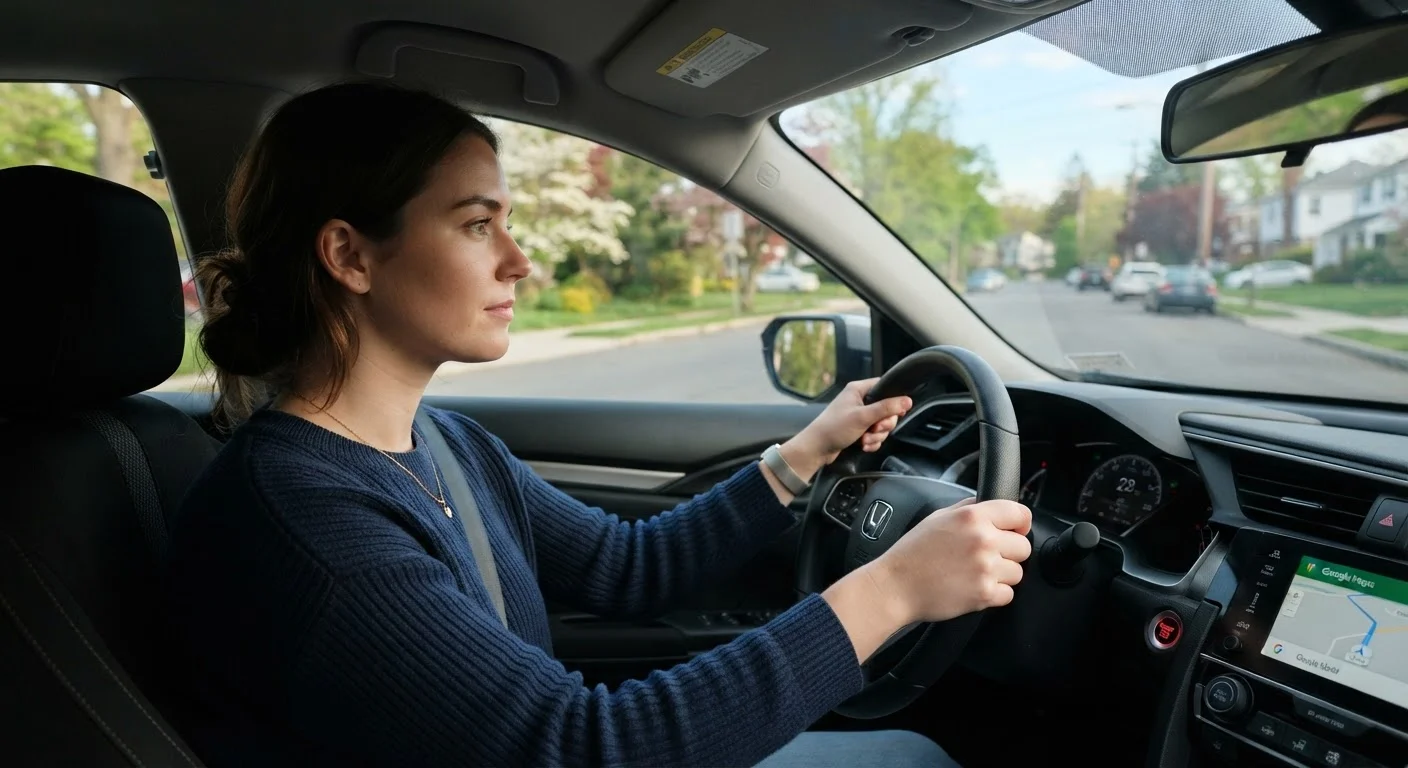
Photo: ConfiReads.com | Blogs For Inquisitive Minds editorial
Key Takeaways
- Habits formed in your first year of driving are difficult to unlearn - focus on quality from the start.
- Defensive driving means anticipating hazards, not just reacting to them.
- Understanding traffic laws reduces both risk and legal liability for new drivers.
- Scanning mirrors every 5-8 seconds and maintaining a following distance helps prevent rear-end collisions.
- A roadworthy vehicle is a shared responsibility between the driver and regular maintenance.
Why Early Habits Matter More Than You Think
Every experienced driver you know learned their habits somewhere - and most of those habits formed in the first year behind the wheel. Research consistently shows that new drivers are overrepresented in crash statistics, not because they lack intelligence, but because skilled driving demands practiced instincts that take time to build. The habits you form early are the ones you'll rely on when things go wrong quickly.
This is both an opportunity and a responsibility. Building strong habits from day one means you're far less likely to develop the complacency that trips up even experienced drivers. For a closer look at how routine can quietly erode safety, see our article on overconfidence at the wheel.
Think of your early driving period as training, not just transportation. Treat every trip as a chance to reinforce good technique.
The Core Principles of Defensive Driving
Defensive driving is one of the most important frameworks a new driver can adopt. At its core, it means driving in a way that accounts for the mistakes of others - not just your own. You cannot control what other drivers do; you can control how you position yourself, how much space you maintain, and how early you spot developing hazards.
Defensive driving
A driving approach that prioritizes anticipating hazards and adjusting behavior to reduce risk, rather than simply reacting to events as they happen.
Following distance
The gap maintained between your vehicle and the one ahead, measured in seconds. A larger gap gives you more time to react if the vehicle in front brakes suddenly.
Blind spot
An area around your vehicle that cannot be seen using mirrors alone. Shoulder checks are required to monitor these zones before changing lanes.
Right of way
The legal priority one driver has to proceed first in a traffic situation. Understanding right-of-way rules prevents intersection and merging conflicts.
Situational awareness
The continuous process of monitoring and interpreting everything happening around your vehicle, including traffic, road conditions, and potential hazards.
Key defensive driving principles include:
- Maintain a safe following distance: Use the three-second rule as a baseline - more in adverse conditions. Rear-end collisions are among the most preventable crashes on American roads.
- Scan ahead, not just directly in front: Look 10-15 seconds down the road to spot brake lights, merging vehicles, or changing conditions early.
- Minimize blind spots: Properly adjust all mirrors before you start moving, and do a physical shoulder check before changing lanes.
- Expect the unexpected: Intersections, pedestrian crossings, and school zones are high-risk environments - slow down and be ready to stop even when you have the right of way.
For a deeper dive into these concepts, our guide on what defensive driving actually means covers the full methodology.
Practice One Habit at a Time
Traffic Laws Every New Driver Must Know
Traffic laws exist because coordinated behavior saves lives. Beyond the basics covered in driver's education, there are several areas where new drivers frequently make errors - often because they misunderstood the rule or weren't tested on it rigorously.
- Right of way at four-way stops: The first vehicle to stop goes first. When two vehicles arrive simultaneously, the one to the right has priority.
- Yielding to pedestrians: In most states, pedestrians in a marked or unmarked crosswalk have the right of way. Yielding is not optional.
- Cell phone laws: Handheld device use while driving is banned in many states. Even where not prohibited, distracted driving is a leading cause of crashes among new drivers.
- Speed limits in school and work zones: Fines are typically doubled, and limits drop significantly. These aren't suggestions.
Distracted Driving Is Never Worth the Risk
Traffic laws do vary by state, so if you're driving across state lines, check any relevant differences before you go. Our broader complete road safety guide for American drivers covers regulatory context in more depth.
Situational Awareness: Reading the Road Around You
Situational awareness is what separates reactive drivers from proactive ones. It means continuously building a mental picture of everything happening around your vehicle - not just the car in front of you.
In practice, this involves:
- Checking your mirrors every 5-8 seconds to track changing traffic patterns behind and beside you.
- Identifying escape routes - knowing where you could steer if the vehicle ahead brakes suddenly.
- Recognizing environmental hazards: wet leaves, gravel, potholes, and construction zones all change how your vehicle handles. Our guide on driving on different road surfaces explains how to adapt your technique.
- Being extra vigilant at night. Reduced visibility changes your stopping distance and reaction time significantly. See our article on why darkness changes everything for guidance specific to nighttime conditions.
Situational awareness is a trainable skill. Narrating what you observe - even mentally - while driving helps build this habit faster.
Vehicle Readiness and Your Role as a Driver
Safe driving doesn't start when you pull out of the driveway - it starts before you get in the car. A vehicle that isn't roadworthy is a hazard regardless of how skilled the driver is. As a new driver, building a pre-drive habit of basic checks is one of the most practical things you can do.
Before any drive, take a moment to verify:
- Tire condition - look for obvious deflation or visible damage
- All lights are functioning (especially at night or in poor weather)
- Mirrors are properly adjusted for your seating position
- Fuel level is adequate for your planned route
Beyond the pre-drive check, regular scheduled maintenance is non-negotiable. Brakes, tires, and fluids degrade gradually - often without obvious warning signs until they fail. Our companion guide, everything a new driver needs to know about car maintenance, covers exactly what to track and how often. If you're planning a longer trip, our pre-trip safety checklist walks through the full preparation process.
NHTSA Teen Driving Resources
The National Highway Traffic Safety Administration offers publicly available guidance on safe driving practices, traffic laws, and crash prevention strategies for new and young drivers.
DMV.org State-by-State Law Guides
A reference for understanding how traffic laws differ across U.S. states, useful for new drivers who travel between states or want to verify local rules.
Road safety is built on consistent behavior, not isolated good decisions. Every trip is a chance to reinforce the habits that will serve you for a lifetime of driving.
Frequently Asked Questions
The content on this site is for informational purposes only and is not a substitute for professional advice. Always consult a qualified professional for guidance specific to your situation.