
Everything a New Driver Needs to Know About Car Maintenance

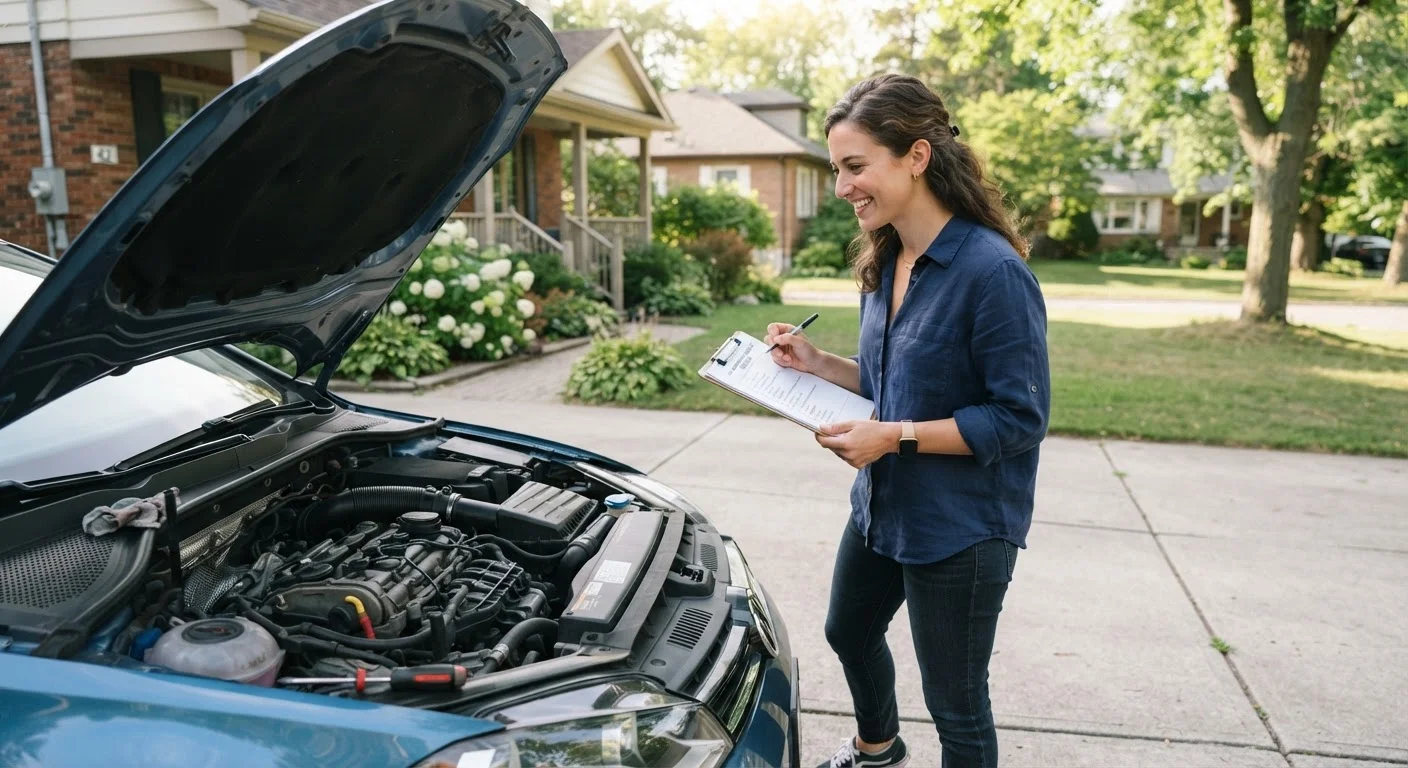
Photo: ConfiReads.com | Blogs For Inquisitive Minds editorial
Key Takeaways
- Routine maintenance prevents most major mechanical failures before they become expensive.
- Your owner's manual contains the most reliable service schedule for your specific vehicle.
- Several basic checks - tire pressure, oil level, wiper fluid - can be done by any driver at home.
- Knowing when to call a qualified mechanic is just as important as knowing what to check yourself.
- Building consistent habits early extends the lifespan and safety of your vehicle.
Why Maintenance Matters More Than You Think
For many new drivers, car maintenance feels like something to worry about later - after all, the car is running, so what's the urgency? The reality is that most major mechanical failures are not sudden events. They are the predictable result of skipped or delayed upkeep. A neglected oil change degrades engine lubrication over thousands of miles. Worn brake pads eventually damage rotors that cost several times more to replace. The pattern is consistent: small, inexpensive tasks prevent large, expensive repairs.
Staying on top of your vehicle is also a safety issue. Tire blowouts, brake failures, and overheating are among the most common causes of roadside emergencies - and all of them are largely preventable with routine attention. As part of broader vehicle ownership responsibilities, maintenance sits alongside registration and insurance as something you simply cannot afford to overlook. See what first-time ownership actually involves for a fuller picture of the ongoing commitments that come with your first car.
Owner's manual
The booklet provided by the vehicle manufacturer that contains specifications, recommended service intervals, and operating instructions specific to your car model.
Synthetic oil
A type of engine oil manufactured through a chemical process that typically provides better performance and longer service life than conventional oil.
Tire tread depth
The measurement of the grooves on a tire's surface that provide traction. Worn tread reduces grip, especially on wet roads.
Coolant (antifreeze)
A liquid that circulates through the engine to regulate temperature, preventing both overheating in summer and freezing in winter.
Brake fluid
A hydraulic fluid that transmits force through the brake lines when you press the pedal, enabling the brakes to engage. It must be kept clean and at the correct level.
Service interval
The manufacturer-specified mileage or time period after which a particular maintenance task should be performed on your vehicle.
The Core Maintenance Tasks Every Driver Should Know
You do not need to be a mechanic to handle the fundamentals. Here are the tasks that matter most:
- Engine oil: Oil lubricates moving engine parts and degrades over time. Check the level monthly using the dipstick and change it at the interval your manufacturer recommends.
- Tire pressure and tread: Check pressure monthly and before long trips using a gauge. Insert a quarter into the tread groove - if you can see the top of Washington's head, the tread is getting low.
- Coolant (antifreeze): Keeps your engine from overheating or freezing. Check the reservoir level when the engine is cold; never open the radiator cap on a hot engine.
- Brake fluid: A clear, full reservoir indicates a healthy braking system. A low level can signal a leak or worn brake pads - both warrant a mechanic's inspection.
- Air filter: A clogged air filter reduces engine efficiency. Inspect it every 12,000 miles or so; replacement is typically straightforward and inexpensive.
- Wiper blades: Replace them roughly once a year or when they start streaking. Good visibility is non-negotiable for safe driving.
For a deeper look at the smaller issues that quietly become bigger problems, see what mechanics commonly notice that most drivers walk right past.
How Often Should You Service Your Car?
Maintenance intervals vary by vehicle, driving conditions, and climate. There is no universal schedule that applies to every car - which is why your owner's manual is the single most reliable source of guidance you have. It provides manufacturer-specified intervals for every key service item, tailored to your exact model and engine. Learn how to read and use that maintenance schedule section so you can follow it with confidence.
As a general orientation, many common tasks fall into these rough categories:
| Task | Typical Interval |
|---|---|
| Oil change (synthetic) | Every 7,500-10,000 miles |
| Tire rotation | Every 5,000-7,500 miles |
| Air filter replacement | Every 12,000-15,000 miles |
| Cabin air filter | Every 15,000-25,000 miles |
| Brake inspection | Annually or as needed |
| Coolant flush | Every 30,000-50,000 miles |
Always verify these intervals against your specific owner's manual. Severe driving conditions - frequent short trips, dusty environments, towing - may shorten recommended intervals.
Use Your Odometer, Not Just the Calendar
DIY vs. Professional Help: Knowing the Line
One of the most practical skills a new driver can develop is knowing which tasks are safe to handle at home and which genuinely require a trained mechanic. Checking and topping off fluids, swapping wiper blades, replacing a cabin air filter, and monitoring tire pressure are all reasonable DIY tasks with minimal risk. They require basic tools and are well-documented in most owner's manuals.
By contrast, brake system work, suspension repairs, timing belt or chain replacement, and anything involving the fuel or electrical system carry real safety risks when performed incorrectly. Getting these wrong can damage your vehicle or put you in danger. Explore the full breakdown of which jobs belong at home and which don't before deciding what to tackle yourself.
Never Ignore a Dashboard Warning Light
Building a Maintenance Habit That Sticks
Knowing what to do is only half the challenge - the other half is doing it consistently. A few straightforward strategies help new drivers stay on track:
- Set calendar reminders tied to your oil change interval or mileage milestones, whichever comes first.
- Do a quick visual check monthly - tires, lights, under the hood. It takes less than five minutes and catches issues early.
- Keep a simple log of every service performed, including the date, mileage, and work done. This history is valuable when diagnosing problems and when selling the vehicle.
- Budget for it from the start. If cost is a concern, there are practical approaches that keep maintenance affordable without skipping essentials. See how to keep up with maintenance on a tight budget for realistic strategies.
Good driving habits and good maintenance habits reinforce each other. For an equally grounded look at staying safe behind the wheel, explore road safety fundamentals for new drivers to build the full picture from day one.
Frequently Asked Questions
The content on this site is for informational purposes only and is not a substitute for professional advice. Always consult a qualified professional for guidance specific to your situation.