
Before Every Long Road Trip: A Driver Safety Checklist

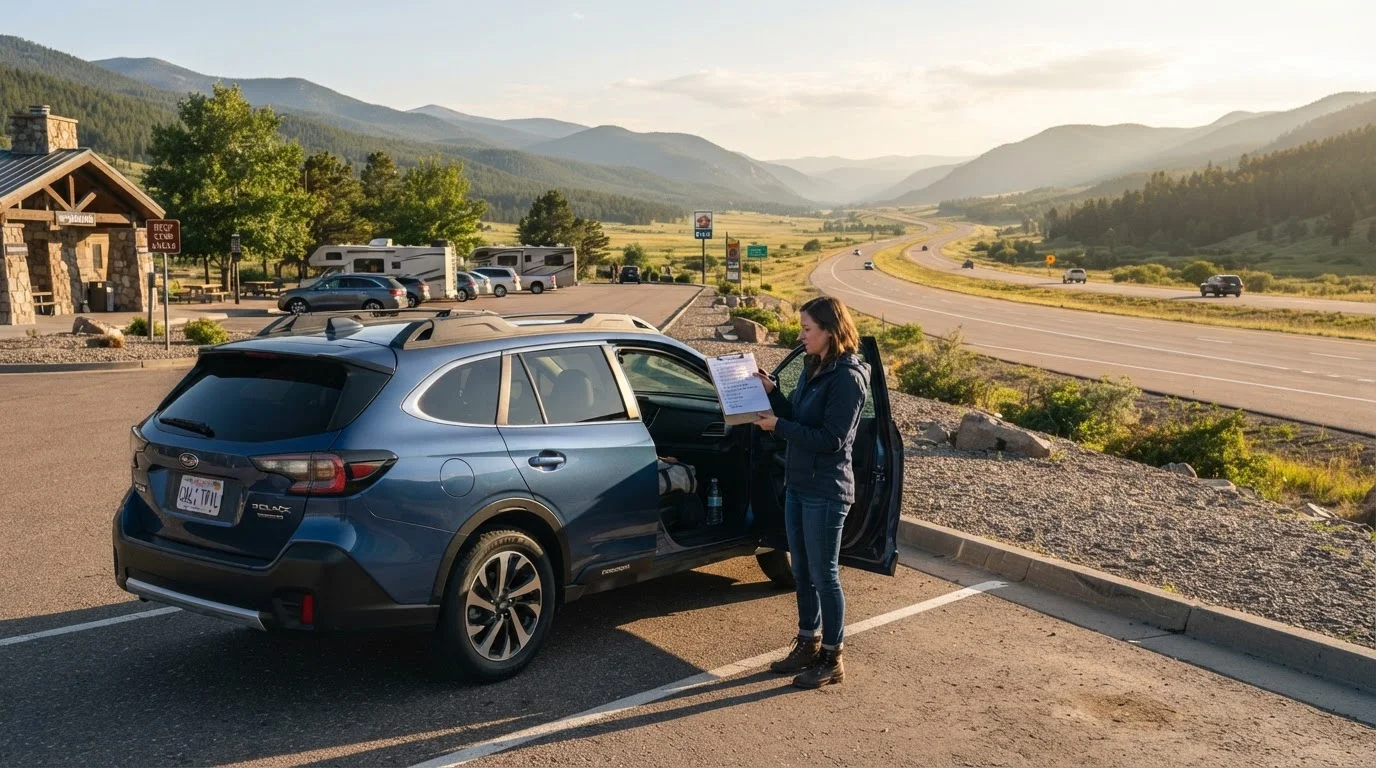
Photo: ConfiReads.com | Blogs For Inquisitive Minds editorial
Key Takeaways
- Tire pressure, fluid levels, and lights should be checked before every long trip, not just annual service visits.
- Planning your route in advance - including rest stops - reduces decision fatigue while driving.
- Driver fatigue is a leading cause of highway crashes; scheduling breaks every two hours is a proven countermeasure.
- An emergency kit with jumper cables, a first-aid kit, and a reflective triangle is essential equipment.
- Confirming insurance, registration, and license validity before departure keeps you road-legal across state lines.
Why Pre-Trip Preparation Matters
Most highway breakdowns and a significant share of long-distance crashes trace back to issues that a brief pre-departure inspection would have caught. Mechanical failures, driver fatigue, and route confusion are all preventable with a structured checklist approach - and none of them require professional expertise to address in advance.
This checklist is organized into four phases: vehicle condition, documents and legality, route and navigation, and driver readiness. Work through each group before you leave the driveway, not after you've merged onto the interstate. For a broader seasonal view of vehicle upkeep, see our seasonal car maintenance checklist - it pairs well with this guide for year-round readiness.
Vehicle Condition
Documents and Legal Compliance
Route and Navigation
Driver and Passenger Readiness
Tools and Supplies to Have on Hand
Running through this checklist is easier - and more thorough - when you have the right reference materials and physical supplies available. Keep the items below in your vehicle at all times, not just for scheduled long trips.
Tire Pressure Gauge
Accurately measures tire PSI so you can inflate or deflate to the manufacturer's specification before departure.
Portable Jump Starter
Allows you to restart a dead battery without needing another vehicle - especially useful on remote stretches of highway.
First-Aid Kit
Provides basic wound care and emergency supplies for minor injuries sustained during travel or breakdown situations.
Reflective Warning Triangles or Road Flares
Alerts oncoming traffic if you are stopped on the shoulder, significantly reducing secondary collision risk.
Phone Mount and Charging Cable
Keeps navigation visible hands-free and ensures your device stays charged throughout the journey.
Paper Road Atlas
Serves as a reliable backup navigation tool in areas with no cell signal or GPS connectivity.
Multi-Tool or Basic Tool Kit
Handles minor roadside fixes - loose clamps, disconnected battery terminals - that don't require a mechanic.
Don't Rely Solely on Digital Navigation
Driver Readiness: The Factor Most Checklists Ignore
Vehicle condition dominates most pre-trip guides, but the driver is equally part of the safety equation. Research consistently links drowsy driving to impaired reaction time comparable to alcohol intoxication. Plan mandatory rest stops every 90-120 minutes of driving, regardless of how alert you feel at the start. Our companion article on recognizing driver fatigue covers the warning signs in detail and is worth reading before any trip exceeding four hours.
If you're introducing a new driver to long-distance travel, supplement this checklist with the new driver road safety guide, which builds the foundational habits that make every checklist item second nature over time.
Fatigue Is Not Willpower-Proof
This checklist is part of a broader complete road safety guide for American drivers covering defensive driving, weather conditions, traffic laws, and more.
The content on this site is for informational purposes only and is not a substitute for professional advice. Always consult a qualified professional for guidance specific to your situation.