
Reading Your Owner's Manual: The Maintenance Schedule Section

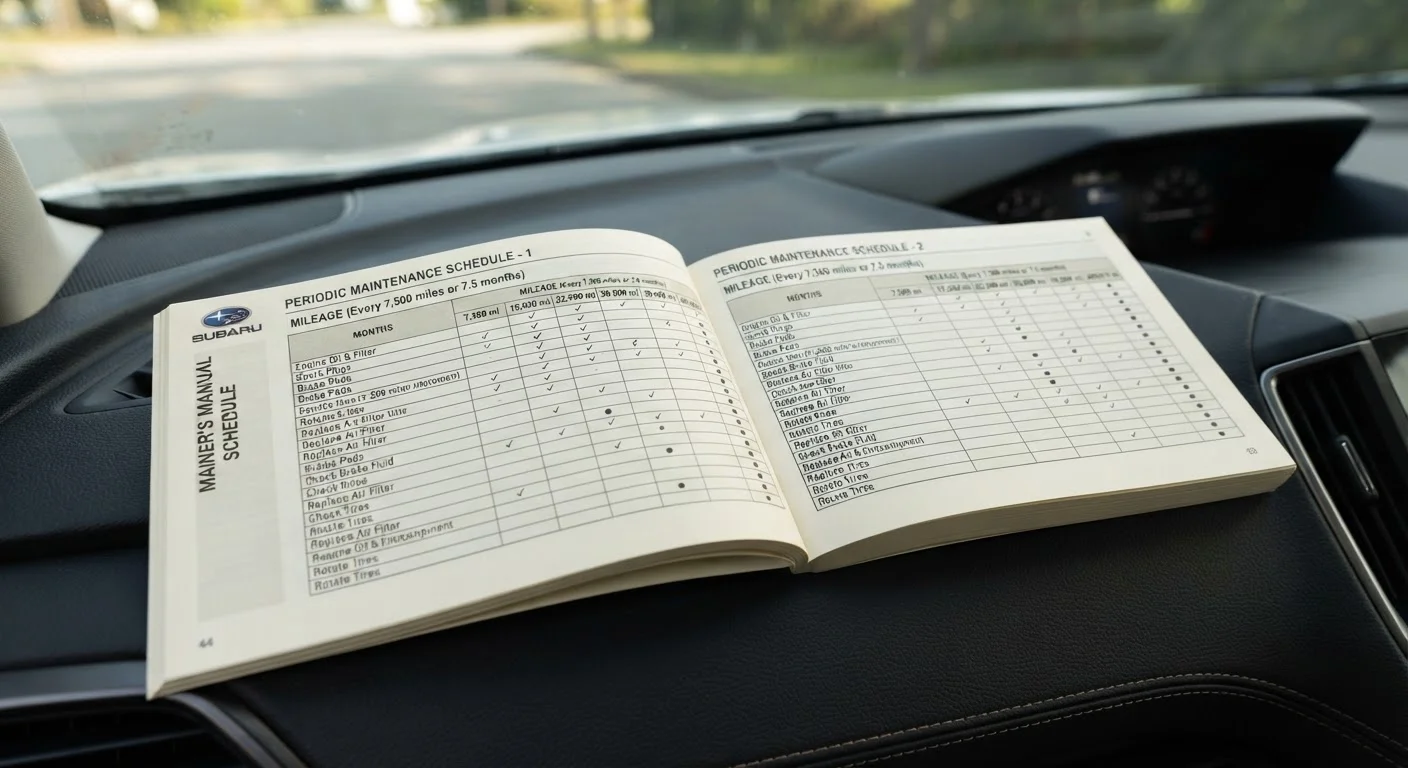
Photo: ConfiReads.com | Blogs For Inquisitive Minds editorial
Key Takeaways
- Your owner's manual maintenance schedule is specific to your vehicle's make, model, and engine - not generic advice.
- Manufacturers distinguish between normal and severe driving conditions, each with different service intervals.
- Following the manual's schedule can protect your powertrain warranty and prevent premature component failure.
- Digital versions of most owner's manuals are available free from the manufacturer's website.
Why the Owner's Manual Beats Generic Advice
Blanket maintenance rules - like the old "change your oil every 3,000 miles" guideline - were never universally accurate and are even less applicable today. Modern vehicles vary dramatically in engineering, fluid specifications, and component lifespans. A turbocharged four-cylinder, a naturally aspirated V8, and a hybrid drivetrain each have distinct requirements that no one-size-fits-all chart can capture.
Your owner's manual is written by the engineers who designed your specific vehicle. It accounts for your engine's tolerances, the type of transmission fluid your gearbox requires, and how your brake system is calibrated. Following it correctly can also protect an active powertrain warranty - deviating from manufacturer-specified service intervals may give a dealer grounds to dispute a warranty claim if related components fail.
For a broader view of how manual-guided maintenance fits into your annual vehicle care, our seasonal car maintenance checklist offers a complementary year-round framework. And if budget is a concern, see our practical advice on keeping up with car maintenance on a tight budget.
What you will need
Owner's Manual
Contains the manufacturer-specified maintenance schedule, fluid specs, and service interval tables for your exact vehicle.
Notepad or Smartphone
Used to record key service intervals and upcoming maintenance milestones for easy reference.
Odometer Reading
Establishes your current mileage baseline so you can calculate when each service item is due.
How to Follow the Schedule Going Forward
Once you've read through the schedule and logged upcoming services, the goal is consistent follow-through. Set calendar reminders tied to both mileage and date triggers. Keep a simple log - even a notes app entry - recording the date, mileage, and work performed each time service is completed. This history adds measurable value if you sell the vehicle and helps a mechanic diagnose problems more quickly.
Locate your owner's manual
Most owner's manuals are stored in the glove compartment. If yours is missing, download a free PDF directly from your manufacturer's official website - search for your year, make, and model. Avoid third-party PDF sites, which may host outdated or incorrect versions.
Find the maintenance schedule section
Use the table of contents or index to find the maintenance schedule. It may be labeled Scheduled Maintenance, Maintenance Requirements, or Service Intervals. In most manuals this section appears within the first quarter of the book or is broken out in a dedicated supplement booklet tucked alongside the main manual.
Identify your driving condition category
Nearly every manufacturer separates maintenance intervals into two categories: Normal and Severe (sometimes called Special Operating Conditions). Severe driving includes frequent short trips under five miles, stop-and-go city traffic, towing, dusty environments, or extreme temperature exposure. Honestly assess which category best describes your daily driving - severe conditions require shorter service intervals, not longer ones.
Read the service interval table
The schedule is usually organized as a table listing services across the top and mileage or time intervals down the side. Each cell indicates whether the task should be inspected (I), replaced (R), or adjusted (A) at that interval. Common items include engine oil and filter, tire rotation, air filter, spark plugs, brake fluid, transmission fluid, and coolant. Note that time-based intervals (e.g., every 12 months) apply even if you haven't reached the mileage threshold - whichever comes first triggers the service.
Cross-reference your current mileage and record upcoming services
Write down or photograph the service items due within the next 5,000-10,000 miles so you're not caught off-guard. Note each item, its interval, and the mileage at which it's next due. This record also serves as a reference when speaking with a mechanic - you'll know exactly what the manufacturer recommends rather than relying solely on a shop's upsell suggestions. For ongoing documentation best practices, see our guide on keeping vehicle maintenance records.
Keep a Digital Copy Handy
Understanding what your schedule actually calls for also makes you a more informed service customer. For instance, knowing your vehicle uses a long-life synthetic oil with a 7,500-mile interval means you can push back confidently if a quick-lube shop recommends an unnecessary 3,000-mile return visit. For deeper context on oil service intervals specifically, see what oil change intervals actually mean.
Staying on top of your manufacturer's schedule is one of the most straightforward steps in responsible vehicle ownership - and it doesn't require mechanical expertise, just a willingness to read the documentation your car came with.
Don't Rely Solely on Dashboard Warnings
The content on this site is for informational purposes only and is not a substitute for professional advice. Always consult a qualified professional for guidance specific to your situation.