
Keeping Up With Car Maintenance on a Tight Budget

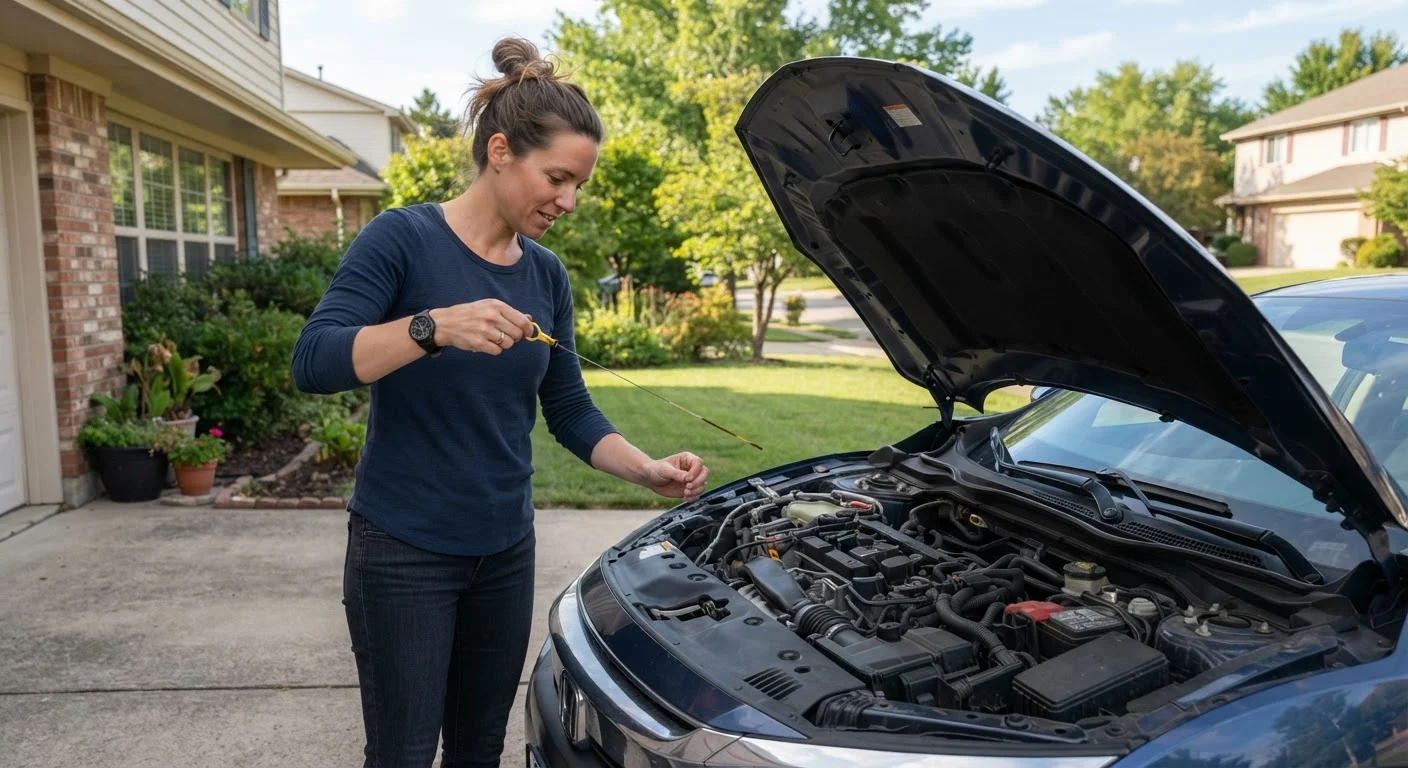
Photo: ConfiReads.com | Blogs For Inquisitive Minds editorial
Key Takeaways
- Following your owner's manual service intervals is the single most cost-effective maintenance strategy.
- Small DIY tasks - checking fluids, inspecting tires - catch problems before they escalate into major repairs.
- Budgeting a small monthly amount for maintenance is far cheaper than financing an emergency repair.
- Comparing shop quotes and timing non-urgent services strategically can stretch a limited repair budget further.
- Deferred maintenance almost always costs more in the long run than the service you skipped.
Why Budget-Conscious Maintenance Matters
For many American drivers, the car is both a necessity and one of the largest household expenses. When money is tight, routine maintenance is often the first thing postponed - but skipping an oil change or ignoring a slow tire leak rarely saves money. It typically multiplies the eventual bill. Deferred maintenance compounds quickly: a neglected $40 coolant flush can lead to a $1,500 head gasket repair.
The good news is that staying on top of your vehicle doesn't require a large emergency fund or a mechanical background. It requires consistency, a little knowledge, and a few smart habits.
Maintenance Costs vs. Repair Costs
Best Practices for Maintaining Your Car on a Budget
The following practices are drawn from established automotive guidance and are designed to protect reliability without requiring significant spending upfront.
Follow your owner's manual service schedule, not generic rules of thumb.
Perform basic fluid and visual checks yourself monthly.
Keep tires properly inflated and rotate them on schedule.
Address warning lights promptly rather than waiting for symptoms.
Get itemized quotes from multiple shops before approving non-urgent work.
Quick Wins You Can Do Right Now
Some of the most valuable maintenance steps cost nothing but a few minutes of your time. Start here before spending a dollar at a shop.
For a deeper look at what professional mechanics watch for - and how to spot the same issues yourself - see things mechanics notice that most drivers overlook.
Making the Numbers Work
$1,200+
Average annual vehicle maintenance and repair cost
AAA has consistently reported that average annual vehicle maintenance and repair costs for American drivers exceed $1,200, underscoring the value of spreading expenses predictably throughout the year.
Up to 25%
Fuel economy loss from under-inflated tires
The U.S. Department of Energy estimates that tires under-inflated by just 8 PSI can reduce fuel economy by up to 3-4%, with larger deficits adding up meaningfully over time.
One of the most practical shifts a budget-conscious driver can make is treating maintenance as a recurring line item, not an unexpected expense. Even setting aside $20-$30 per month creates a cushion that covers oil changes and filters throughout the year without disrupting other finances. For a broader look at recurring ownership costs, annual vehicle ownership costs most drivers underestimate is a useful reference.
When a shop visit is unavoidable, always request an itemized estimate and ask which repairs are safety-critical versus advisory. Prioritize safety items first; schedule the rest when your budget allows. Understanding which tasks you can handle at home versus which genuinely need a professional is equally important - our guide on DIY versus professional repair breaks that decision down clearly.
This article provides general vehicle maintenance information for educational purposes. For repairs involving safety systems or complex mechanical work, consult a qualified mechanic. Costs mentioned are illustrative and will vary by vehicle, region, and service provider.
The content on this site is for informational purposes only and is not a substitute for professional advice. Always consult a qualified professional for guidance specific to your situation.