
Why Your Outfits Feel Off Even When the Clothes Are Nice

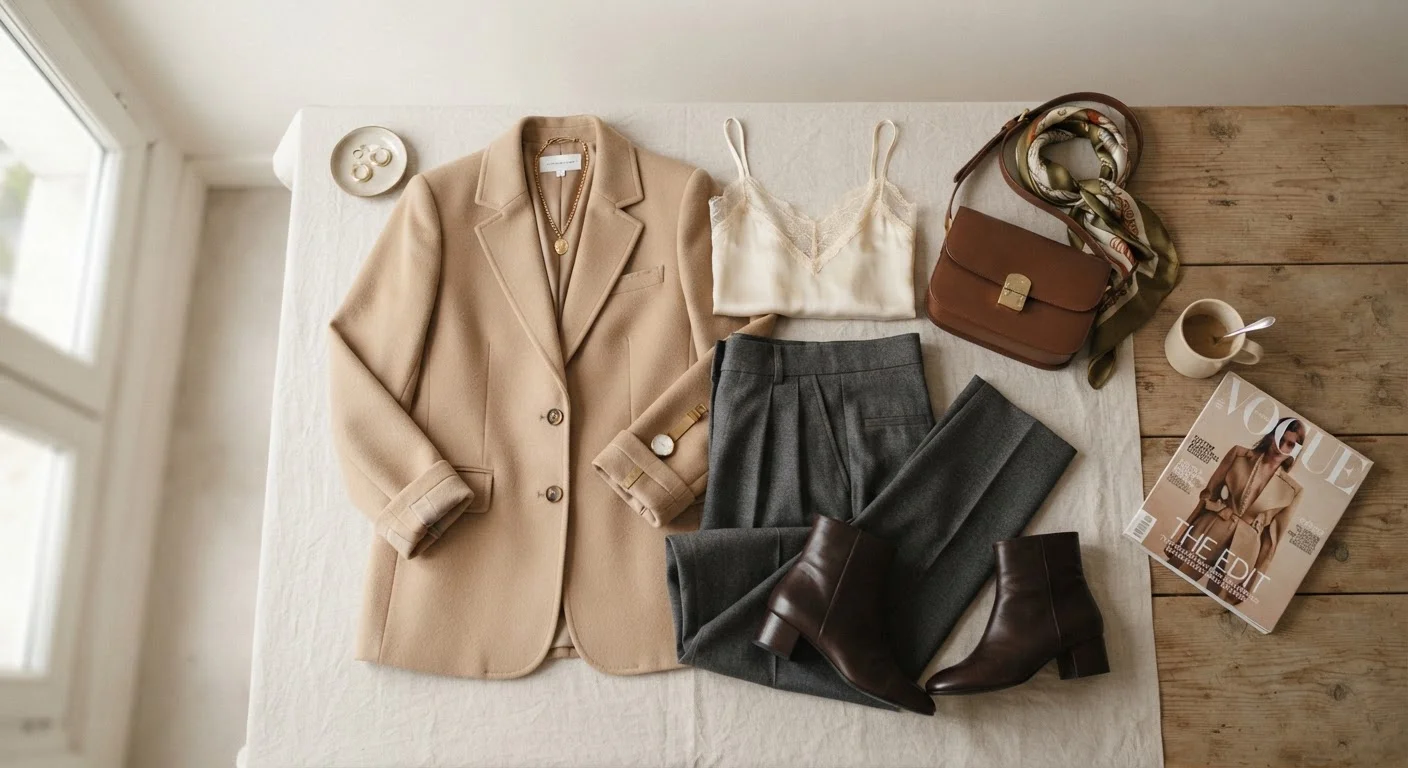
Photo: ConfiReads.com | Blogs For Inquisitive Minds editorial
Key Takeaways
- Fit matters more than brand or price tag - ill-fitting clothes undermine even expensive pieces.
- Proportion is the invisible framework that makes outfits look intentional and balanced.
- Color balance and tone consistency can either unify or fragment a look.
- Shoes and accessories complete the visual story - neglecting them disrupts the whole outfit.
- Understanding a few styling fundamentals eliminates guesswork and builds lasting confidence.
The Gap Between Good Clothes and Great Outfits
You've invested in quality pieces - maybe a well-cut blazer, a versatile pair of trousers, a blouse that felt perfect on the rack. Yet when you put them on together, something still feels wrong. You're not imagining it. Looking pulled-together isn't just about owning nice clothes; it's about understanding how those clothes interact with each other and with your body.
Most of us were never formally taught the underlying principles that stylists use instinctively. The result? Wardrobes full of great individual pieces that never quite click. The good news is that the gap between "meh" and "yes" is usually just a handful of correctable habits. See our guide to fit, style, and taste for the vocabulary that makes these concepts easier to apply.
Wearing clothes that don't fit your actual body right now.
Ignoring proportion - pairing volume with volume on both the top and bottom.
Mixing undertones incorrectly so colors clash without an obvious reason.
Treating shoes as an afterthought rather than a foundational element.
Over-accessorizing or under-accessorizing and leaving an outfit feeling unfinished or cluttered.
Wearing clothes that are visibly worn, pilled, or misshapen and assuming the overall look is still polished.
Why These Mistakes Are So Easy to Make
Fashion advice tends to focus on what to buy, not how to wear it. Shopping is emotional and aspirational; styling is analytical and requires a bit of honest self-observation. Most people pick pieces based on how they look on a hanger or on someone else - then feel confused when the mirror tells a different story at home.
Shopping More Won't Solve a Styling Problem
Proportion, fit, and color balance are interconnected. Pull one thread and the whole look unravels. But fix one, and suddenly everything else looks a little more deliberate. Check out our look at style myths that keep people dressing badly - many of the "rules" people follow are actually working against them.
Putting It All Together
Styling is a skill, and skills improve with practice. Once you start noticing fit lines, proportion shifts, and color temperature, you'll spot the issues before you leave the house. A few adjustments - a hem taken in, a belt added at the waist, a swap from cool-toned top to warm - can transform an outfit without spending a cent.
Accessories deserve special attention here. They're often an afterthought, but the right belt, bag, or shoe anchors a look and signals intention. Learn how everyday accessories change an outfit to use this lever confidently. And if you layer, make sure each layer earns its place - our layering without bulk guide walks through exactly how to do that.
70%
Shoppers who say fit is most important
According to a Cotton Incorporated Lifestyle Monitor survey, roughly 70% of U.S. consumers cite fit as the single most important factor when purchasing clothing.
$15-$30
Average cost of basic tailoring alterations
Industry estimates from professional tailoring associations suggest common alterations - hemming, taking in seams - typically cost between $15 and $30 per garment in most U.S. markets.
The goal isn't a perfect outfit every day. It's understanding why something works or doesn't - so your choices become faster, more confident, and a lot more fun.
The content on this site is for informational purposes only and is not a substitute for professional advice. Always consult a qualified professional for guidance specific to your situation.