
Style Myths That Keep People Dressing Badly

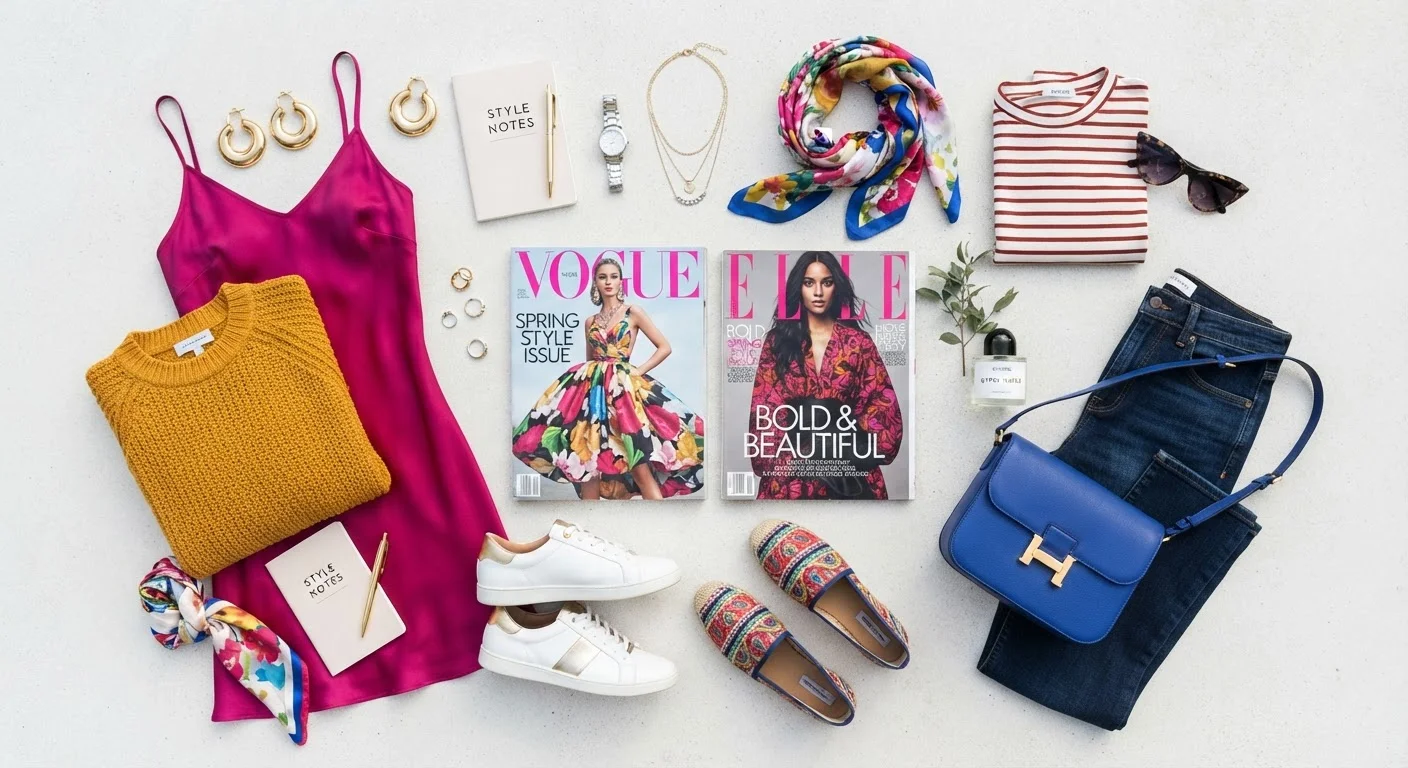
Photo: ConfiReads.com | Blogs For Inquisitive Minds editorial
Key Takeaways
- Most strict fashion rules - like never mixing metals or avoiding horizontal stripes - are outdated and personal preference matters more.
- Fit is the single most powerful factor in how polished any outfit looks, regardless of price or trend.
- Body-shape dressing guidelines can be useful starting points, but no cut or silhouette is off-limits for any body.
- Mixing patterns, colors, and textures is a skill, not a rule violation - the key is intentionality and scale.
- Expensive clothes don't automatically equal great style; knowing what works for you matters far more than spending power.
Why Fashion Myths Stick Around
Fashion advice travels fast and rarely comes with an expiration date. A tip that made practical sense in a mid-century department store can circulate for decades, treated as universal law even after the logic behind it has dissolved. The result? A lot of people limiting their wardrobe - and their confidence - based on guidance that was never as absolute as it sounded.
The myths below are among the most common ones stylists and fashion educators encounter. Correcting them doesn't mean throwing out all structure - it means understanding why certain principles work so you can apply them thoughtfully, not rigidly. If your outfits still feel inconsistent after clearing out the myths, our guide to why outfits feel off breaks down the mechanics of fit, proportion, and color balance.
Myth
You should never mix metals. Gold jewelry and silver accessories must never appear in the same outfit.
Fact
Mixing metals is not only acceptable - it's a widely used technique in contemporary styling.
This rule likely originated from a desire for visual cohesion, but rigid metal-matching isn't how most professional stylists approach accessories today. Mixed metals create visual interest and reflect how people actually accumulate jewelry over time. The practical guideline worth keeping: if you're mixing, try to let one metal dominate so the combination reads as intentional rather than accidental. See how each accessory category shifts a look for a fuller picture of how metals, textures, and scale interact.
Myth
Certain body types simply can't wear certain silhouettes - like horizontal stripes or crop tops.
Fact
No silhouette is categorically off-limits for any body type. Personal comfort and fit matter far more than blanket shape rules.
Body-shape dressing guidelines were popularized as helpful shortcuts, but they've frequently been applied as prohibitions. The truth is that what looks proportional varies enormously by individual - height, posture, personal style, and the specific fit of a garment all interact in ways a simple rule can't capture. Our honest look at body-shape dressing advice separates the actually useful guidance from the outdated restrictions.
Myth
More expensive clothes automatically mean better style.
Fact
Price and style are separate variables. Fit, proportion, and intentionality determine whether an outfit works - not the price tag.
A garment's cost reflects its materials, construction, and branding - none of which guarantee it will look good on a particular person in a particular context. Budget-conscious shoppers frequently out-dress big spenders simply by prioritizing fit and understanding what works for their proportions. If you're thinking about where spending actually pays off, the practical trade-offs between fast and slow fashion offers a grounded breakdown.
Myth
Mixing patterns is a mistake - it always looks busy and chaotic.
Fact
Pattern mixing is a legitimate styling technique. The key is managing scale and ensuring a shared color thread ties the patterns together.
Stylists mix patterns regularly by following a simple principle: vary the scale of the prints (pair a large floral with a small check, for instance) and anchor them with at least one color that appears in both. Without scale variation, two similarly sized patterns compete visually. With it, the combination looks considered. Understanding color relationships makes pattern mixing significantly easier to execute with confidence.
Myth
You should always wear an outfit 'head to toe' in one color family or aesthetic to look put-together.
Fact
Contrast - in color, texture, or proportion - is often what makes an outfit visually interesting and well-styled.
Monochromatic dressing can absolutely work, but it's a technique rather than a requirement. Many of the most effective outfits use deliberate contrast: a relaxed top with a structured bottom, a soft fabric against something crisp, or a bold accessory against a neutral palette. The goal is intentional tension, not accidental mismatch. Layering principles offer a practical framework for building contrast into everyday looks without adding visual chaos.
What Actually Makes Style Work
Once you strip away the false rules, a few genuine principles remain - and they're more freeing than restrictive. Fit consistently tops every professional stylist's priority list. A well-fitted inexpensive garment will almost always outperform an ill-fitting expensive one. Understanding the difference between fit, style, and personal taste helps you make more intentional decisions rather than chasing trends that don't serve your actual life.
Color is another area where instinct often beats rote rules. Learning how stylists actually use color - through neutrals, tonal dressing, and contrast - is far more useful than memorizing which shades supposedly clash. Accessories, too, carry more weight than most people give them credit for; see how individual accessories shift an entire look to understand the leverage they offer.
~70%
Shoppers who cite fit as their top purchase factor
According to consumer research compiled by the American Apparel & Footwear Association, fit consistently ranks as the leading reason shoppers return or keep clothing.
1 in 3
Garments bought but rarely or never worn
Industry estimates from apparel sustainability researchers suggest roughly a third of purchased clothing is worn fewer than three times, often due to impulse buys that don't integrate into existing wardrobes.
Style confidence tends to follow understanding, not spending. When you know why something works - the proportion, the color relationship, the fabric weight - you stop needing permission from a rule and start dressing with genuine intention.
This article is for informational and entertainment purposes only. Fashion guidance is subjective and based on general principles; individual preferences and contexts vary widely.
The content on this site is for informational purposes only and is not a substitute for professional advice. Always consult a qualified professional for guidance specific to your situation.