
The Real Difference Between Fit, Style, and Taste

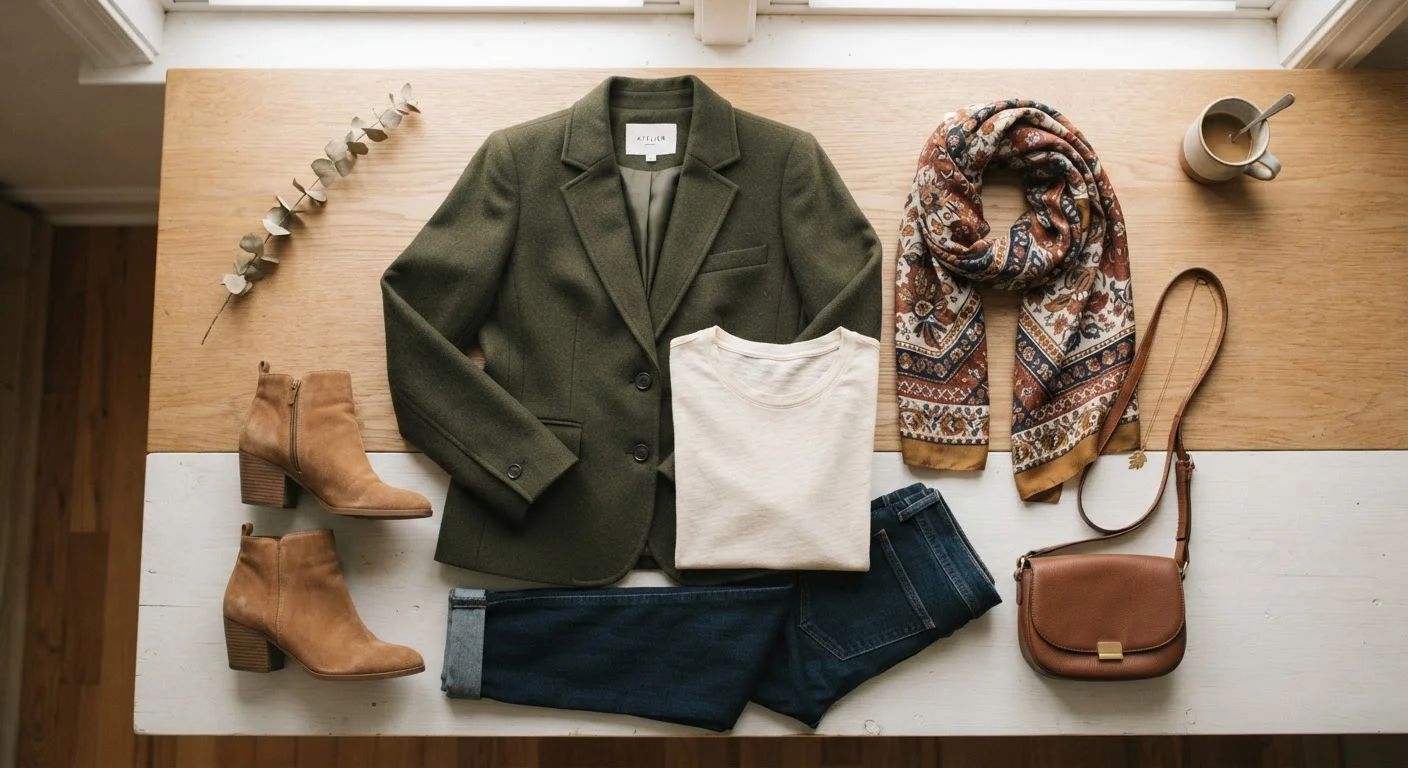
Photo: ConfiReads.com | Blogs For Inquisitive Minds editorial
Key Takeaways
- Fit is about proportion and how clothing sits on your specific body - it's technical.
- Style is the aesthetic story your outfit tells - it's communicative and visual.
- Taste is your private, evolving sense of what you find beautiful or appealing.
- You can have great taste but wear poorly fitting clothes - and vice versa.
- Understanding all three helps you dress with more intention and less frustration.
Why These Three Words Get Confused
Walk into any conversation about clothes and you'll hear fit, style, and taste used as if they're synonyms. They're not - and the confusion is part of why so many people feel stuck when getting dressed. Each concept operates on a different level, and once you pull them apart, dressing becomes a lot less mystifying.
Think of it this way: fit is the technical layer, style is the communicative layer, and taste is the personal layer. They interact constantly, but each has its own job to do. Mixing them up leads to frustration - like blaming your "style" when the real issue is that nothing in your closet actually fits you well.
We've all fallen for at least one common style myth that made getting dressed harder than it needed to be. Understanding these three concepts is a powerful antidote to that.
Fit: The Technical Foundation
Fit is the most concrete of the three. It describes how a garment physically interacts with your body - where it sits at the shoulder, how it skims or hugs the torso, whether the sleeve length hits the right spot on your wrist. Fit is measurable. It's about proportion and geometry.
Good fit doesn't mean skin-tight or perfectly tailored to every contour. It means the garment looks intentional on your body rather than accidental. A relaxed, oversized silhouette can fit beautifully if it's proportioned thoughtfully. A slim cut can fit terribly if it pulls in the wrong places.
60%
Of Americans say clothes rarely fit off the rack
A frequently cited consumer insight from apparel industry research suggests the majority of shoppers struggle to find ready-to-wear clothing that fits without alteration.
$4B+
U.S. clothing alteration industry annual value
The tailoring and alterations sector reflects how common fit issues are - and how much consumers invest in correcting them after purchase.
The good news: fit is fixable. Basic alterations - hemming pants, taking in a waist, adjusting a shoulder seam - can transform a garment. Fabric choice also plays a role, since different materials drape and stretch in ways that affect how a piece fits across the day.
Style: The Story Your Outfit Tells
Style operates at the level of visual communication. It's the aesthetic language your outfit speaks - whether that's minimalist, maximalist, classic, street-influenced, or something entirely its own. Style is what others read when they see you, and it's built from consistent choices: silhouette preferences, color palettes, the ratio of patterns to solids, how you layer.
Style is outward-facing in a way that taste isn't. You can study, develop, and refine it intentionally. Stylists, fashion editors, and image consultants work at the style level - helping people construct a coherent visual identity through clothing.
“Style is a way to say who you are without having to speak.”
— Rachel Zoe, Celebrity stylist and fashion designer
Importantly, style isn't about following trends. Trends are fashion's current vocabulary, but style is more like your dialect - distinctive, consistent, yours. Accessories are one of the most effective tools for shaping and refining the story your style tells without overhauling your wardrobe.
Taste: Your Private Aesthetic Compass
Taste is the most internal of the three. It's your accumulated sense of what you find beautiful, compelling, or right - shaped by everything from your upbringing and cultural background to the art you love and the spaces you feel most at home in. Taste isn't necessarily visible in what you wear today; it's the filter through which you evaluate everything.
Someone with highly developed taste might look at two similar blazers and immediately sense which one has better construction, more interesting proportions, or a more refined fabric - even without being able to articulate exactly why. Taste operates partly on instinct.
Build Taste Intentionally
Taste also evolves. It tends to become more specific and confident over time as you accumulate experiences and references. The goal isn't to have "correct" taste - there's no such thing - but to develop enough self-awareness that your taste can actually guide your choices, rather than leaving you paralyzed in front of a full closet.
When fit, style, and taste all align, getting dressed stops feeling like a puzzle. You know what works on your body, you have a clear visual language you're working within, and your choices feel genuinely yours. That's when a wardrobe starts working for you - whatever its size or budget. For a deeper look at how buying habits shape what you actually own, understanding fast versus slow fashion is worth a read.
Frequently Asked Questions
The content on this site is for informational purposes only and is not a substitute for professional advice. Always consult a qualified professional for guidance specific to your situation.