
Fabric Matters More Than Most People Realize

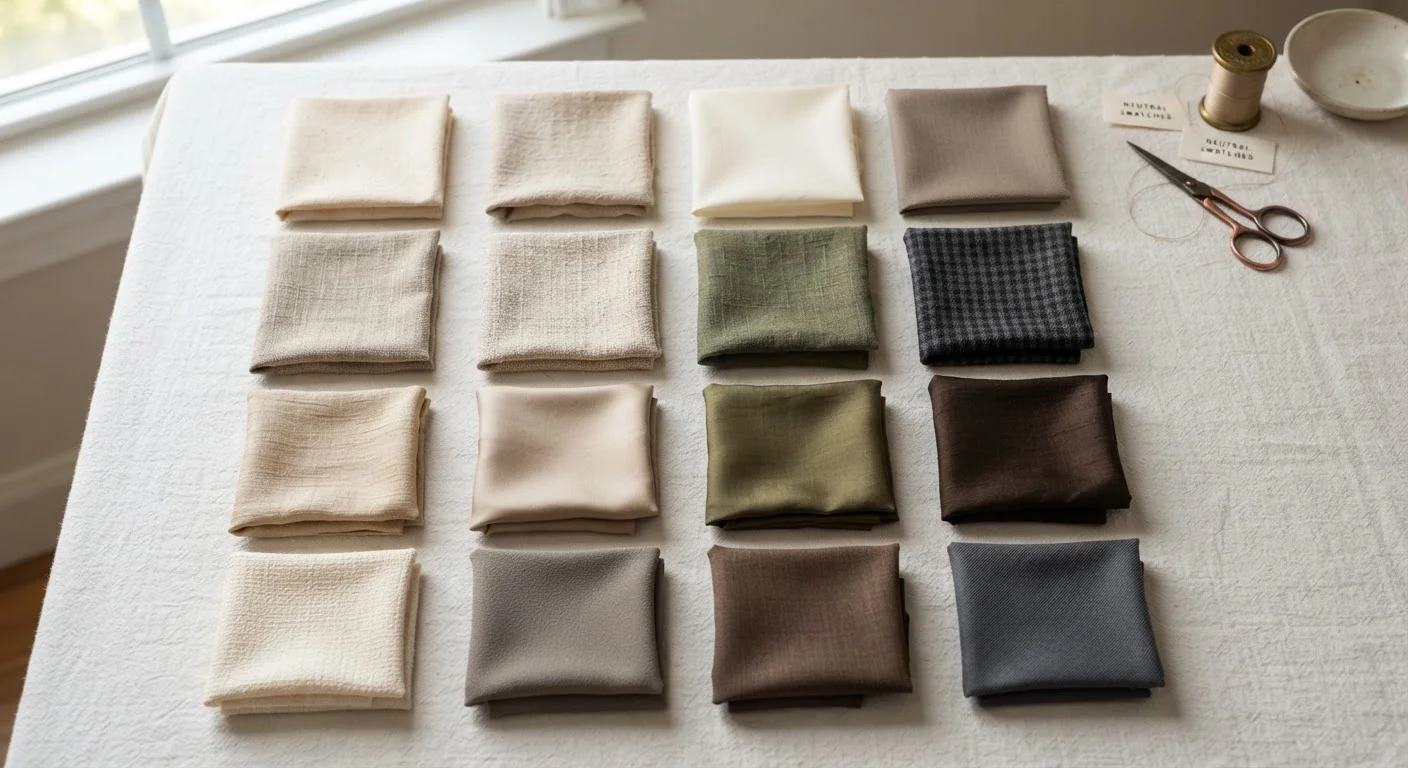
Photo: ConfiReads.com | Blogs For Inquisitive Minds editorial
Key Takeaways
- Natural fibers like cotton and linen breathe better but often wrinkle more easily than synthetics.
- Polyester is durable and wrinkle-resistant but traps heat and moisture more than natural fabrics.
- Semi-synthetic fibers like modal and Tencel offer a middle ground - soft, breathable, and relatively low-maintenance.
- Fabric blends are designed to combine the strengths of two or more fiber types.
- Reading care labels gets much easier once you know what each fabric actually needs.
The Fabrics You'll Encounter Most Often
Walk through any clothing store and you're moving through a world of competing fiber choices - most of which go unexamined until something shrinks, pills, or falls apart after three washes. Here's a practical breakdown of the fabrics you'll actually encounter on everyday labels.
Cotton is the workhorse of most wardrobes. It's soft, breathable, and easy to care for - but it wrinkles readily and can shrink if machine-dried on high heat. Linen, made from flax plant fibers, is even more breathable and gets softer with each wash, though it wrinkles dramatically and can feel stiff at first. Both are natural fibers that perform especially well in warm weather.
Polyester is the most widely used synthetic fiber in clothing. It resists wrinkles, holds its shape, and dries quickly - which is why it dominates activewear and budget-friendly basics. The trade-off: it traps heat and moisture more than natural fibers, and can hold onto odors over time. Nylon shares similar traits but is exceptionally strong, making it a staple in hosiery, outerwear, and bags.
Modal and Tencel (lyocell) are semi-synthetic fibers derived from plant cellulose. They combine the softness of natural fibers with better durability and resistance to pilling. Tencel in particular is known for its silky drape and moisture-wicking properties. Viscose (rayon) is another semi-synthetic that mimics the feel of silk at a much lower price - though it can be less durable and more prone to shrinkage.
~35%
Share of global fiber production that is cotton
According to the Textile Exchange's Preferred Fiber & Materials Market Report, cotton consistently accounts for roughly a third of all fiber used in apparel worldwide.
~54%
Global fiber production that is synthetic (primarily polyester)
The Textile Exchange reports that synthetic fibers - led by polyester - account for the majority of global fiber output, reflecting their dominance in fast fashion and activewear.
Up to 50%
Potential shrinkage in untreated wool after hot washing
Wool's protein fibers can felt and shrink significantly in hot or agitated water - a well-established property that underscores why fabric-specific care instructions matter.
How Fabric Choice Affects Everyday Wear
Knowing what's in your clothes helps you make smarter choices - not just for comfort, but for longevity and care. The fabric you choose affects how a garment performs across all the situations you actually wear it in.
For workwear, wrinkle resistance matters. A polyester-cotton blend shirt will look sharper at 5 PM than a 100% linen one. For summer weekend wear, that linen shirt might be the better call - it breathes better and gets more comfortable with wear across the day. For workouts, synthetic fabrics with moisture-wicking treatments will outperform a basic cotton tee, which gets heavy and clingy when wet.
Fabric also determines how much care a garment demands. Silk and some rayons are dry-clean only or require hand washing. Wool needs cold water and flat drying to avoid felting. Understanding these basics before you buy saves you from surprises later. For a deeper dive into what care labels are actually telling you, see our guide on caring for your clothes so they last.
Check the Label Before You Buy
Blends, Trade-Offs, and the Bigger Picture
Most everyday clothing isn't made from a single pure fiber - it's a blend engineered to balance cost, comfort, and performance. A 60% cotton / 40% polyester T-shirt, for example, is softer than pure polyester and more wrinkle-resistant than pure cotton. These trade-offs are intentional, and understanding them helps you know what you're actually getting.
Fabric choice also connects to broader questions about how clothes are made and how long they're built to last. Cheaper garments often rely on lower-grade fibers or loose weave structures that degrade quickly - which is part of what the fast fashion vs. slow fashion conversation is really about. Investing in higher-quality fabrics - or simply knowing what to look for - can shift how you think about building a wardrobe.
And while fit often gets all the glory (and rightly so - see our piece on the real difference between fit, style, and taste), fabric is the silent partner that determines how a well-fitting garment actually feels on your body, day after day. Getting both right is where a wardrobe stops feeling like a chore and starts feeling like something that works for you.
Frequently Asked Questions
The content on this site is for informational purposes only and is not a substitute for professional advice. Always consult a qualified professional for guidance specific to your situation.