
Building a Wardrobe from Scratch on a Realistic Budget

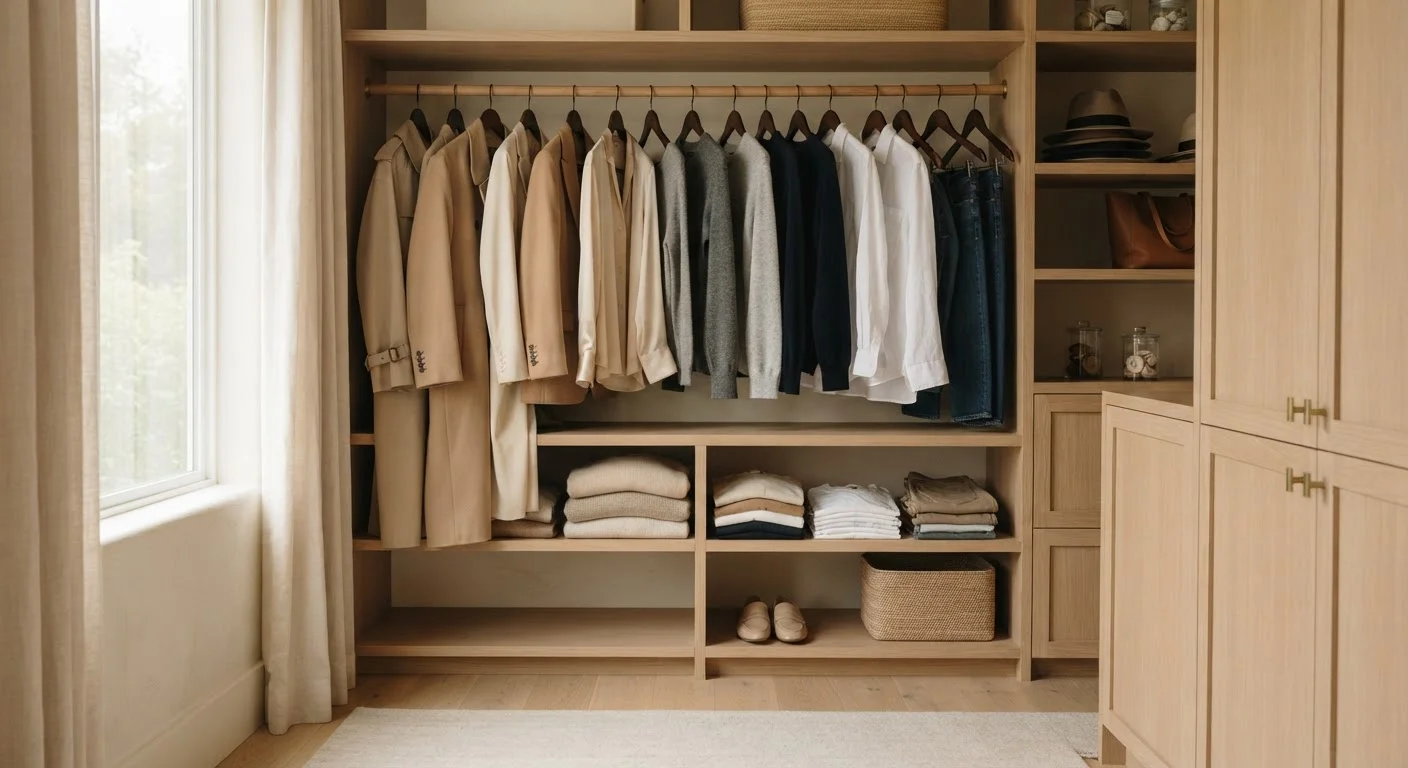
Photo: ConfiReads.com | Blogs For Inquisitive Minds editorial
Key Takeaways
- Set a realistic spending ceiling before you buy a single item.
- Foundational basics - neutrals, well-fitted denim, layering pieces - deliver the most versatility per dollar.
- Shopping intentionally means knowing your lifestyle needs before entering any store or website.
- A wardrobe built in phases is more sustainable than one bought all at once.
Start With a Budget, Not a Wish List
The single most common mistake when rebuilding a wardrobe is opening a browser tab - or worse, a store door - before you've decided how much you're actually willing to spend. A budget isn't a constraint on your style; it's the structure that makes real style possible.
Before you think about aesthetics, figure out your total clothing envelope for the next three to six months. This is a one-time setup cost that's genuinely different from your usual monthly clothing spend, so it deserves its own line item. For broader guidance on building spending categories that stick, the complete roadmap to long-term budget mastery is a solid place to anchor this thinking.
Once you have a number, divide it roughly by category: bottoms, tops, layers, shoes, and outerwear. Assign the heaviest spending to the categories you use most and where fit matters most - usually bottoms and shoes.
Set Your Budget Before You Browse
The Foundational Pieces Every Wardrobe Needs
A foundational wardrobe isn't about buying the most items - it's about buying the right ones. The goal is pieces that work across multiple outfits, transition between casual and slightly more polished contexts, and hold up over repeated wear.
Capsule wardrobe
A small, curated collection of versatile clothing pieces that mix and match easily, reducing decision fatigue while covering most everyday dressing needs.
Cost-per-wear
The price of a garment divided by how many times you realistically expect to wear it - a useful way to judge whether a higher-priced item is actually the better value.
Foundational pieces
Core clothing items - typically in neutral colors and classic cuts - that serve as the base of a wardrobe and work with the widest range of other pieces.
Mid-layer
A garment worn between a base top and outerwear - like a cardigan, denim jacket, or sweatshirt - that adds warmth and styling versatility without bulk.
Clothing envelope
A specific budget allocated solely for clothing purchases over a defined time period, kept separate from general discretionary spending.
The Core List
- Dark-wash or straight-leg jeans - The single most versatile bottom in American casual dressing. One well-fitting pair earns its cost many times over.
- Neutral tops in two or three colors - White, black, and a soft mid-tone (grey, navy, or tan) cover the majority of outfit combinations.
- A clean, simple sneaker and one flat dress shoe or loafer - Two shoe types handle about 80% of everyday occasions.
- A mid-layer - A cotton cardigan, a crewneck sweatshirt, or a denim jacket. This single piece extends nearly every outfit across seasons.
- One versatile dress or chino-style trousers - For occasions that call for a small step up from everyday casual.
Once you know what you already own - even if it's very little - a wardrobe audit can help you spot true gaps versus items you just haven't rediscovered yet.
Shopping With Intention
Intentional shopping means knowing why you're buying something before you buy it. Every item should answer two questions: Does this fit my actual life (not my aspirational one), and does it work with at least three things I already own?
Whether you're buying new or secondhand involves real trade-offs worth understanding. Thrift store shopping versus buying new is worth reading before you commit to either approach - secondhand is often ideal for jeans, outerwear, and structured blazers, while new tends to make more sense for fitted basics and anything that touches skin directly.
Avoid Shopping Without a List
When shopping, bring your list and stick to it. Many shoppers find it helpful to take a photo of what's already in their closet before browsing, so they can check compatibility on the spot. Avoid shopping when you're stressed, rushed, or emotionally activated - these states make impulse buys significantly more likely.
Consider the cost-per-wear framing: a $60 pair of jeans worn 100 times costs $0.60 per wear. A $15 trendy top worn twice costs $7.50. Quality and versatility are almost always the better budget move.
Building Out Over Time
A great wardrobe is never finished in a single shopping trip, and it shouldn't be. Once your foundation is in place, building out means adding pieces that serve a specific purpose - not just filling space. Think: a print or pattern that plays against your neutrals, a second pair of shoes for a specific context, or a statement layer.
Learning to layer well dramatically multiplies what your current wardrobe can do across seasons and temperature swings. Layering without adding bulk covers the practical principles that keep multi-piece outfits looking polished rather than puffy. And when seasons shift, seasonal wardrobe transitions can help you adapt what you already own rather than starting over.
Finally, the clothes you buy only do their job if they last. Washing in cold water, air-drying delicates, and hanging or folding pieces properly aren't small details - they meaningfully extend the life of your investment. See our guide on caring for your clothes for the specifics by fabric type.
Building a wardrobe from scratch is genuinely one of the more empowering style moves you can make. When every piece is chosen deliberately, getting dressed stops being a daily frustration and starts being something you actually enjoy.
Frequently Asked Questions
The content on this site is for informational purposes only and is not a substitute for professional advice. Always consult a qualified professional for guidance specific to your situation.