
What a Salvage Title Really Tells You About a Vehicle's History

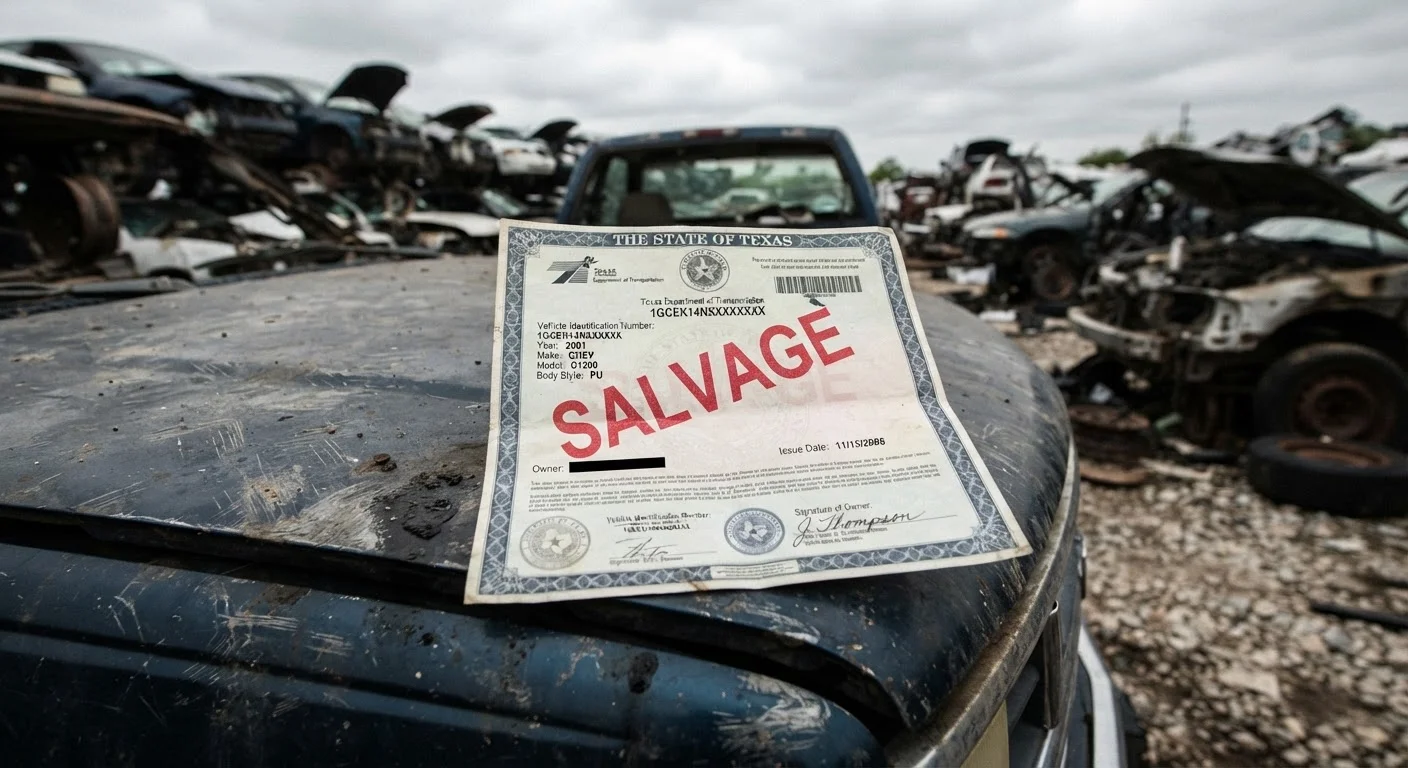
Photo: ConfiReads.com | Blogs For Inquisitive Minds editorial
Key Takeaways
- A salvage title is issued when an insurer declares a vehicle a total loss due to significant damage.
- Salvage-titled vehicles can be repaired and retitled as 'rebuilt' or 'reconstructed,' but the designation never fully disappears from the vehicle's history.
- Most standard auto insurers will not offer comprehensive or collision coverage on a vehicle with a current salvage title.
- Resale value is substantially lower for salvage and rebuilt-title vehicles compared to clean-title equivalents.
- Always run a vehicle history report and have an independent inspection before buying any vehicle with a branded title.
How a Vehicle Earns a Salvage Title
When damage to a vehicle is severe enough that an insurance company's cost-to-repair estimate meets or exceeds the state's total-loss threshold, the insurer pays out the claim and takes possession of the vehicle. The insurer then applies for a salvage title through the state DMV, permanently branding the vehicle's ownership record.
Common causes include major collision damage, flood submersion, fire, hail destruction, and-in some states-theft recovery where the vehicle was significantly stripped. The type of damage matters: a flood-salvage vehicle raises different concerns than one totaled in a rear-end collision, because water intrusion can corrode electrical systems and structural components in ways that are difficult to detect even after professional repairs.
Understanding what a title actually represents is foundational. For a broader look at how titles, registrations, and tags function as separate documents, see our guide to vehicle ownership documents.
Title Terminology Varies by State
From Salvage to Rebuilt: The Retitling Process
A salvage vehicle can re-enter the road legally, but it must go through a formal process. After repairs are completed, the owner submits the vehicle for a state inspection-sometimes called a salvage inspection or rebuilt vehicle inspection. Inspectors verify that the work was done using legitimate parts and that the vehicle meets minimum safety standards.
If the vehicle passes, the state issues a rebuilt title (also called a reconstructed title in some states). This allows the car to be registered and insured. However, the rebuilt designation is permanent. Future buyers will always be able to see the vehicle's branded-title history through a VIN report or DMV check.
20-40%
Typical resale value discount for rebuilt-title vehicles
Industry appraisers and used-car market data consistently show rebuilt-title vehicles sell for significantly less than clean-title equivalents, even after quality repairs.
75-100%
Repair-cost threshold triggering a total-loss declaration
Most U.S. states require insurers to declare a vehicle a total loss when estimated repair costs reach 75-100% of the vehicle's pre-damage actual cash value, though exact thresholds vary by state.
The quality of the repair work varies enormously. A vehicle rebuilt by a reputable body shop using OEM (original equipment manufacturer) parts is a very different proposition from one patched together with salvaged aftermarket components. This variability is why independent mechanical inspections are so important before any purchase.
What Salvage and Rebuilt Titles Mean for Insurance and Resale
The practical consequences of a branded title touch nearly every aspect of vehicle ownership. On the insurance side, most major carriers will not write comprehensive or collision coverage for a vehicle that currently holds a salvage title. Even rebuilt-title vehicles face restrictions-some insurers decline them outright, others offer limited coverage at elevated premiums.
Resale value takes an equally significant hit. A rebuilt-title vehicle typically commands 20-40% less than a comparable clean-title model, even when the repair work is excellent. Buyers are wary, and that wariness is priced in. This connects directly to the broader forces that drive vehicle depreciation-a branded title accelerates that decline substantially.
Get an Independent Inspection First
From a documentation standpoint, anyone who owns or is considering a rebuilt-title vehicle should maintain meticulous repair records. Detailed documentation of the work done, parts used, and inspection results helps establish the vehicle's history for future buyers and may support insurance applications. Our article on vehicle maintenance records explains what's worth preserving and how.
What to Do Before Buying a Salvage or Rebuilt-Title Vehicle
If a vehicle's price seems too good to be true, a branded title is often the reason. Before committing to any purchase, take these steps:
- Run a VIN history report. Use the National Motor Vehicle Title Information System (NMVTIS) or a commercial report service to review title brands, total-loss events, and odometer readings. Mileage documentation also matters-see how odometer readings factor into resale value for context.
- Hire an independent inspector. A qualified mechanic-one with no financial stake in the sale-should inspect the vehicle thoroughly, including frame rails, weld points, and electrical systems.
- Understand the damage type. Collision damage is often more localized; flood damage is pervasive and notoriously difficult to fully remediate.
- Confirm insurability before buying. Contact insurers directly to verify what coverage they will and won't offer on the specific vehicle.
Responsible ownership also means understanding the long-term implications. The habits and practices in our guide to responsible vehicle ownership are especially important for anyone managing a vehicle with a complex history.
This article is for general informational and educational purposes only. Title laws, insurance regulations, and inspection requirements vary by state. Consult your state DMV and a licensed insurance agent for guidance specific to your situation.
Frequently Asked Questions
The content on this site is for informational purposes only and is not a substitute for professional advice. Always consult a qualified professional for guidance specific to your situation.