
Vehicle Registration, Title, and Tags: What Each Document Actually Means

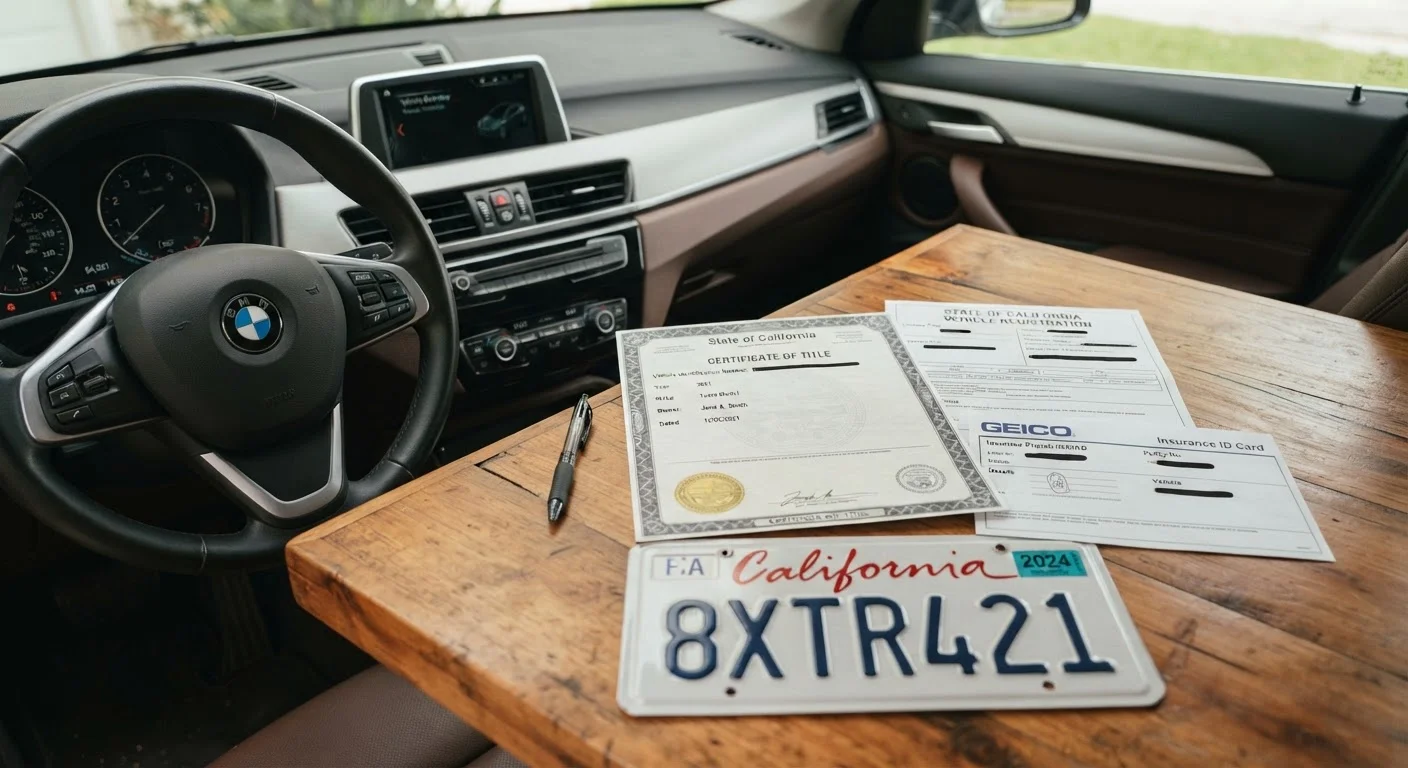
Photo: ConfiReads.com | Blogs For Inquisitive Minds editorial
The Three Documents Every Driver Needs to Understand
When you own a vehicle in the United States, three core documents define your legal relationship with it: the title, the registration, and the tags (also called stickers or decals). Drivers often use these terms interchangeably, but they serve entirely different legal purposes - and letting any one of them lapse can lead to fines, impoundment, or complications when selling your car.
| What establishes ownership | Certificate of Title |
| What grants road-use permission | Vehicle Registration |
| What visually confirms current registration | Tags / Decals on license plate |
| Typical registration renewal period | Annually or biennially, varies by state |
| Where to replace a lost title | Your state's DMV or motor vehicle agency |
| When title must be transferred | At the point of vehicle sale or gift |
Whether you're a first-time owner or just need a refresher, understanding what each document actually does is the foundation of responsible vehicle ownership. See our guide to what car ownership actually involves for a broader look at the ongoing responsibilities drivers take on.
The Certificate of Title: Proof of Ownership
The vehicle title - formally called a Certificate of Title - is the legal document that establishes who owns a vehicle. It is issued by your state's motor vehicle agency and contains identifying information including the Vehicle Identification Number (VIN), make, model, year, and the owner's name and address.
Key things to know about your title:
- Lienholders appear on the title. If you financed the vehicle, the lender is listed as a lienholder. You typically don't hold the physical title until the loan is paid in full.
- A clean title vs. a salvage title matters. A vehicle declared a total loss by an insurer receives a salvage title, which affects insurability and resale value.
- Titles transfer at the point of sale. In a private sale, the seller signs the title over to the buyer. Failing to complete this step correctly creates legal exposure for both parties. See our walkthrough of private-sale title transfers for the step-by-step process.
Certificate of Title
A state-issued legal document that identifies the official owner of a motor vehicle. It includes the VIN, owner information, and any lienholder details. The title must be transferred when ownership changes hands.
Vehicle Registration
The annual or biennial process of recording a vehicle with the state and paying associated fees to legally operate it on public roads. A registration certificate must be carried in the vehicle at all times.
Registration Tags / Decals
Small stickers issued by the state DMV and affixed to a vehicle's license plate to indicate that the registration is current and display the expiration date.
Lienholder
A financial institution or lender that holds a legal claim on a vehicle as collateral for an outstanding loan. The lienholder is listed on the title until the loan is fully paid off.
Salvage Title
A title designation given to a vehicle that has been declared a total loss by an insurance company due to damage or theft. Salvage-titled vehicles face restrictions on insurance and resale.
VIN (Vehicle Identification Number)
A unique 17-character alphanumeric code assigned to every motor vehicle at manufacture. It appears on the title, registration, and the vehicle itself, and is used to track ownership, recalls, and history.
Store your title somewhere safe - not in the glove compartment. A lost title requires a formal replacement request through your state DMV, which takes time and a fee.
Registration and Tags: Keeping Your Vehicle Legally on the Road
Vehicle registration is the annual (or biennial, depending on your state) process of notifying your state that a specific vehicle is being operated on public roads. Registration links the vehicle to an owner in the state's records and is typically tied to proof of insurance and, in many states, a passed emissions or safety inspection.
When you register a vehicle, you receive two things:
- A registration certificate - a paper document you are legally required to carry in the vehicle at all times.
- Tags or decals - small stickers affixed to your license plate (usually the corner) that display the expiration date of your current registration period.
Registration Fees Are Not One-Size-Fits-All
Registration fees vary significantly by state and are often calculated based on the vehicle's age, weight, or assessed value. These fees fund state road maintenance and infrastructure programs.
Driving with expired registration - even by a few days - can result in a traffic citation in most states. Some jurisdictions use automated license plate readers to flag expired tags without a police officer visually inspecting your vehicle. Staying current is straightforward: most states allow online renewal, and many send reminder notices by mail or email.
For a full picture of the recurring compliance tasks vehicle owners face - from registration to emissions checks - see our year-round vehicle compliance checklist.
How These Documents Work Together
Think of the three documents as layers: the title establishes ownership, the registration grants permission to operate the vehicle on public roads, and the tags visibly confirm that permission is current.
50
Separate state DMV systems governing registration rules
Each U.S. state administers its own vehicle registration and titling requirements, meaning fees, renewal periods, and inspection rules differ significantly across state lines.
17
Characters in every vehicle's unique VIN
The VIN is standardized globally under ISO 3779 and appears on the title, registration, dashboard, and door jamb of every vehicle sold in the United States.
A vehicle can be titled in your name but unregistered - common when a car is stored or off the road. Conversely, you cannot legally register a vehicle you don't have title interest in. The two are linked, but they are updated and renewed on different timelines and through different processes.
Keeping accurate records of all three - along with your insurance card and service history - is part of responsible ownership habits that protect your investment. If you sell the vehicle, the title transfers; your registration on that vehicle ends. The new owner must register the vehicle in their own name, typically within a window of 10-30 days depending on the state.
For documentation habits more broadly, our guide to vehicle maintenance records explains what paperwork is worth keeping and why a complete paper trail adds real value at resale time.
This article provides general informational guidance about vehicle documentation in the United States. Requirements vary by state. Always check with your state's motor vehicle agency for the rules that apply to your specific situation.
The content on this site is for informational purposes only and is not a substitute for professional advice. Always consult a qualified professional for guidance specific to your situation.