
Vehicle Maintenance Records: What to Keep and Why

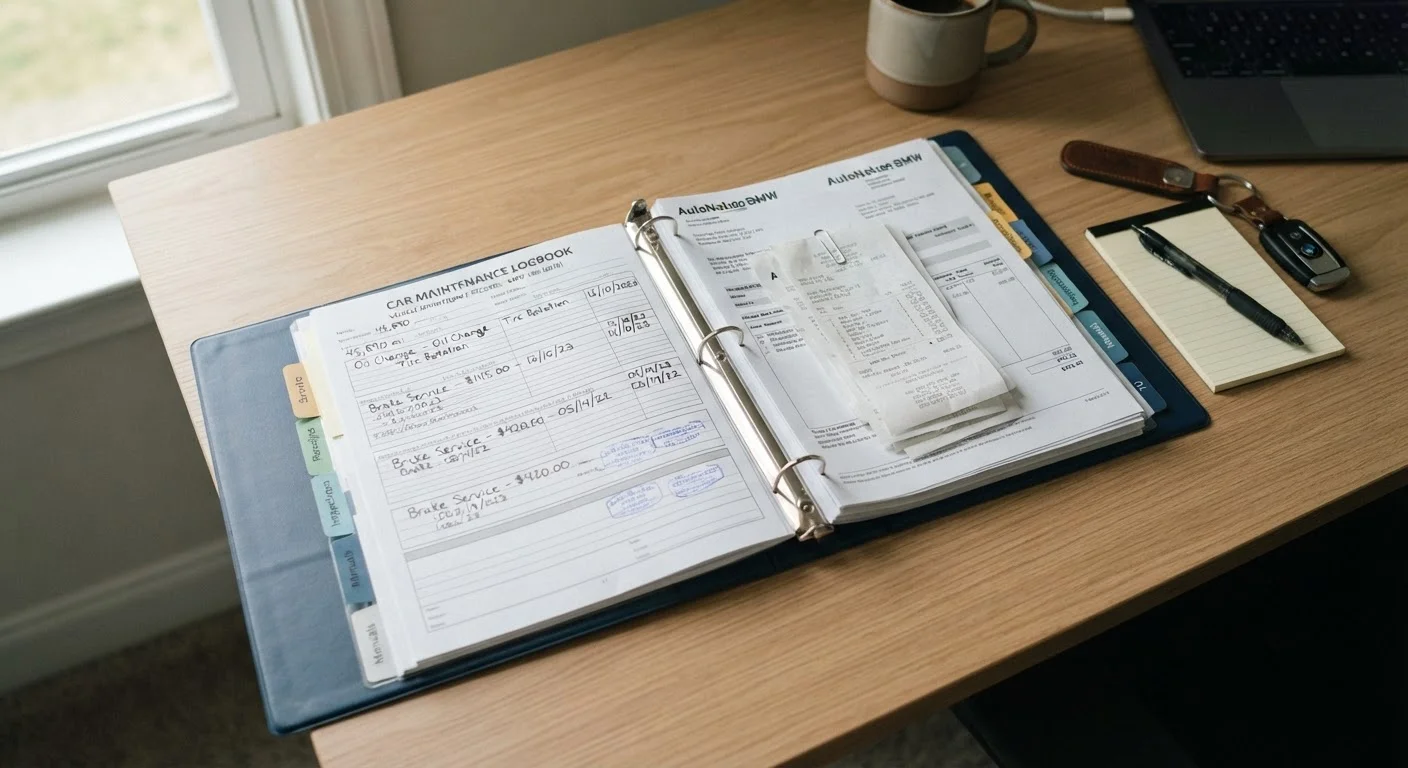
Photo: ConfiReads.com | Blogs For Inquisitive Minds editorial
Key Takeaways
- A complete maintenance history helps mechanics diagnose problems faster and more accurately.
- Documented service records can meaningfully increase a vehicle's resale value.
- Keep records for at least the life of the vehicle - digital backups add extra security.
- Even simple DIY tasks like oil changes are worth logging with date and mileage.
- Warranty claims and dispute resolution are easier with organized documentation.
Why Maintenance Records Matter More Than You Think
Most drivers change their oil, rotate their tires, and replace worn brake pads - then promptly forget it happened. But treating vehicle maintenance as a one-and-done task, rather than an ongoing record worth preserving, leaves real money and protection on the table.
A thorough maintenance history serves three distinct functions: it helps a mechanic understand your vehicle's baseline before diagnosing a new symptom, it demonstrates responsible ownership to a future buyer or appraiser, and it gives you a reliable reference when your manufacturer's warranty is in question. As part of broader responsible vehicle ownership habits, documentation is one of the lowest-effort, highest-return practices available to any driver.
What Records Are Actually Worth Keeping
Not all paper from your glove box deserves permanent storage, but the following categories should be preserved for the life of the vehicle:
- Oil and filter changes: Date, mileage, oil type, and who performed the service.
- Tire services: Rotation intervals, alignment adjustments, and replacements including brand and size.
- Brake work: Pad and rotor replacements, brake fluid flushes, and any caliper repairs.
- Major components: Timing belt or chain, water pump, battery, spark plugs, and transmission fluid changes.
- Recalls and warranty repairs: Retain dealer paperwork and any recall completion notices.
- Inspections: State emissions and safety inspection certificates, which may be required for registration renewals - see our guide to keeping your car road-legal.
- Accident repairs: Estimates, invoices, and insurance claim summaries, even for minor incidents.
Your owner's manual maintenance schedule is the best reference for which services apply to your specific vehicle and when they're due.
How to Organize and Store Your Records
The format matters less than the consistency. Choose a system you'll actually use.
Paper files: A simple accordion folder or three-ring binder organized by service category works well. Keep it somewhere accessible but protected from moisture - not loose in the trunk.
Digital records: Photograph or scan every receipt immediately after a service. Cloud storage (Google Drive, iCloud, or similar) gives you access anywhere and survives a lost or damaged vehicle. Several dedicated apps - such as Fuelly or Drivvo - let you log services and track costs over time.
Hybrid approach: Keep originals in a physical folder at home and maintain digital copies as a backup. This is especially useful if you mix DIY tasks with professional service visits, since shop invoices arrive on paper while home jobs require you to create your own log entry.
Records at Resale Time
When you're ready to sell, a complete service history is one of the most persuasive documents you can hand a prospective buyer. It shifts the conversation from speculation to evidence. Buyers and private-party sellers alike recognize that a car with documented, regular maintenance carries lower risk than an identical vehicle with no paper trail.
Mileage context matters here too. A vehicle with 90,000 miles and a full service history is often more attractive than one at 60,000 miles with nothing to show for it. Our overview of how odometer readings affect resale value explains how buyers and appraisers interpret this data.
For a broader seasonal approach to staying on top of service intervals throughout the year, our year-round readiness checklist pairs well with the documentation habit described here.
“Buyers don't just buy a car - they buy its history. A documented maintenance record is one of the clearest signals of how an owner treated a vehicle.”
— Consumer Reports Automotive Editorial Team, Automotive Consumer Research Organization
The content on this site is for informational purposes only and is not a substitute for professional advice. Always consult a qualified professional for guidance specific to your situation.