
How Odometer Readings Affect a Vehicle's Resale Value

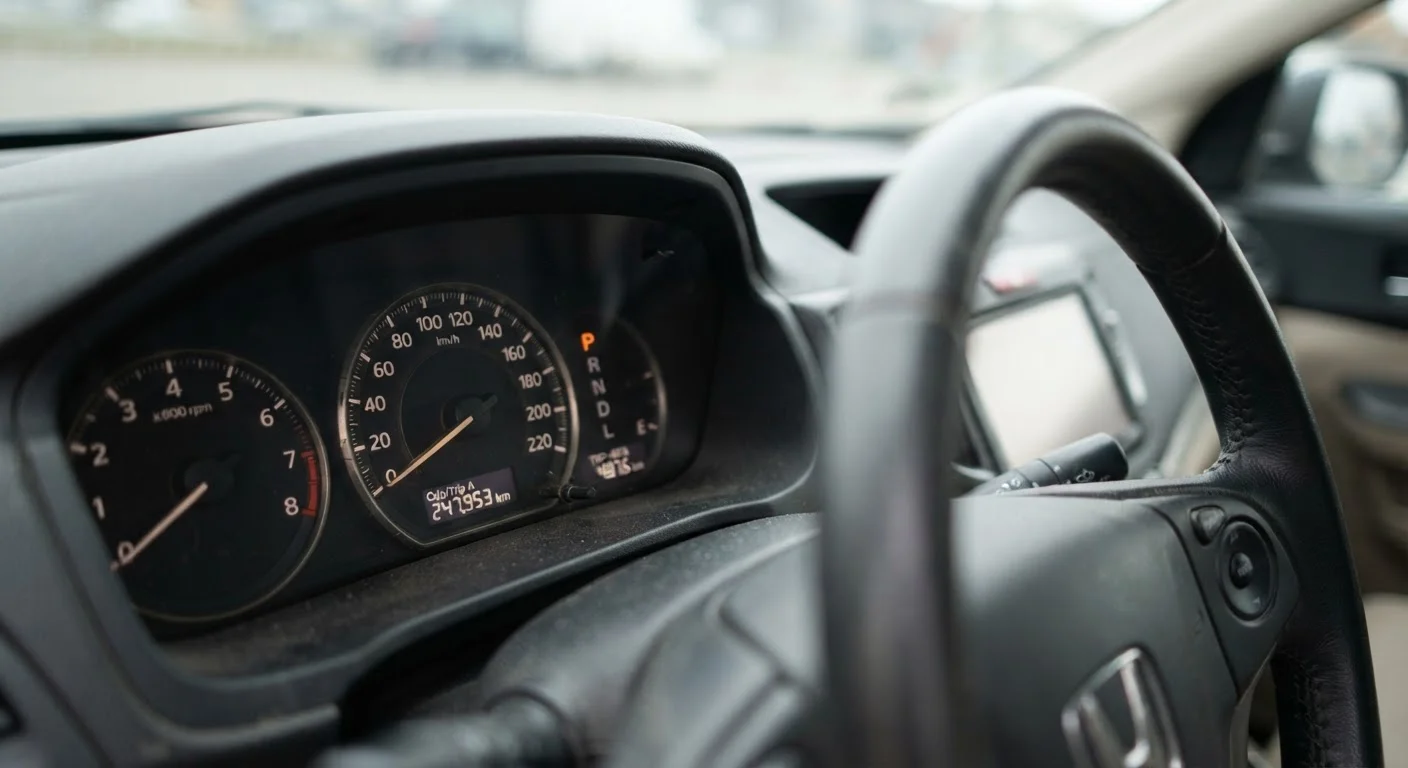
Photo: ConfiReads.com | Blogs For Inquisitive Minds editorial
Key Takeaways
- Mileage is one of the single largest factors determining a used vehicle's market value.
- The widely cited average American driver logs roughly 12,000-15,000 miles per year, which appraisers use as a baseline.
- Low mileage alone does not guarantee high value - maintenance history, condition, and vehicle history all matter equally.
- Odometer fraud is a federal crime; buyers should always verify mileage through a vehicle history report.
- Documenting consistent maintenance can partially offset the value impact of higher mileage.
Why Mileage Matters So Much to Buyers and Appraisers
When a used vehicle hits the market, the odometer reading is often the first number a prospective buyer scrutinizes - sometimes before even looking at the price. The reason is straightforward: miles accumulated on a vehicle are a proxy for mechanical wear. Engines, transmissions, brakes, suspension components, and belts all degrade with use over time, and the odometer captures cumulative usage in a single, easy-to-read figure.
Appraisers and valuation tools use average annual mileage as a benchmark. A vehicle that has been driven significantly more than average for its age will typically command a lower price, while one with below-average miles may support a premium - all else being equal. This is one reason understanding car depreciation is so useful for sellers and buyers alike, since mileage and depreciation are deeply intertwined forces acting on a vehicle's value simultaneously.
~14,000
Average miles driven annually by US drivers
The Federal Highway Administration reports that the average American driver accumulates roughly 14,000 miles per year, a figure appraisers use as a standard benchmark.
$1B+
Annual consumer losses to odometer fraud (est.)
The NHTSA has estimated that odometer fraud costs American car buyers over one billion dollars annually, underscoring the importance of verifying mileage before purchase.
Mileage in Context: What the Number Alone Can't Tell You
A raw odometer reading is a starting point, not a verdict. A vehicle with 120,000 miles maintained meticulously - with oil changes on schedule, timely fluid replacements, and documented repairs - can be a sounder investment than a 60,000-mile car with no service history. This is why buyers and certified pre-owned programs place significant weight on documentation alongside mileage.
Vehicle type and intended use also shape how mileage is interpreted. A pickup truck used primarily for light hauling may show less wear at 80,000 miles than a compact car that spent the same miles idling in city traffic. Similarly, age relative to mileage matters: lower-mileage vehicles that have sat unused for extended periods can develop their own issues, including dried seals and deteriorated rubber components.
Keeping thorough vehicle maintenance records is one of the most practical steps owners can take to protect resale value regardless of mileage. A complete paper trail reassures buyers that wear has been actively managed.
Save Every Service Receipt
Odometer Fraud: A Real Risk in the Used-Car Market
Odometer rollback - the illegal practice of reducing a vehicle's displayed mileage - remains a documented risk in the used-car market. The National Highway Traffic Safety Administration (NHTSA) has historically estimated that odometer fraud costs American consumers hundreds of millions of dollars annually. Fraudulently low mileage misleads buyers about a vehicle's actual condition and inflates its apparent value.
Buyers can protect themselves by pulling a vehicle history report before any purchase, which aggregates mileage data from title transfers, state inspections, and dealer service visits. A discrepancy between the displayed odometer and prior reported figures is a serious warning sign. An independent pre-purchase inspection by a qualified mechanic can also reveal physical wear inconsistent with a low mileage claim - things like pedal wear, steering wheel wear, and component condition that tell their own story.
How to Position Your Vehicle Competitively When Selling
If your vehicle has higher-than-average mileage, you still have meaningful levers to pull. Presenting a complete service history, addressing any outstanding maintenance items before listing, and ensuring the vehicle is clean and in good cosmetic condition can all help justify your asking price. Pricing the vehicle accurately from the outset - using established valuation tools rather than wishful thinking - also leads to faster, smoother transactions.
Sellers with lower-mileage vehicles should be equally careful not to overprice based on mileage alone. Buyers will still factor in age, condition, and market demand. The broader financial picture of vehicle ownership - including ownership costs many drivers underestimate - is worth understanding before deciding when and how to sell. Adopting responsible ownership habits throughout a vehicle's life is ultimately the most reliable strategy for protecting its value at resale.
This article is for general informational purposes only and does not constitute financial or legal advice. Actual vehicle values depend on many individual factors; consult a qualified appraiser or licensed dealer for guidance specific to your situation.
Frequently Asked Questions
The content on this site is for informational purposes only and is not a substitute for professional advice. Always consult a qualified professional for guidance specific to your situation.