
Car Depreciation Demystified: Why New Vehicles Lose Value So Fast

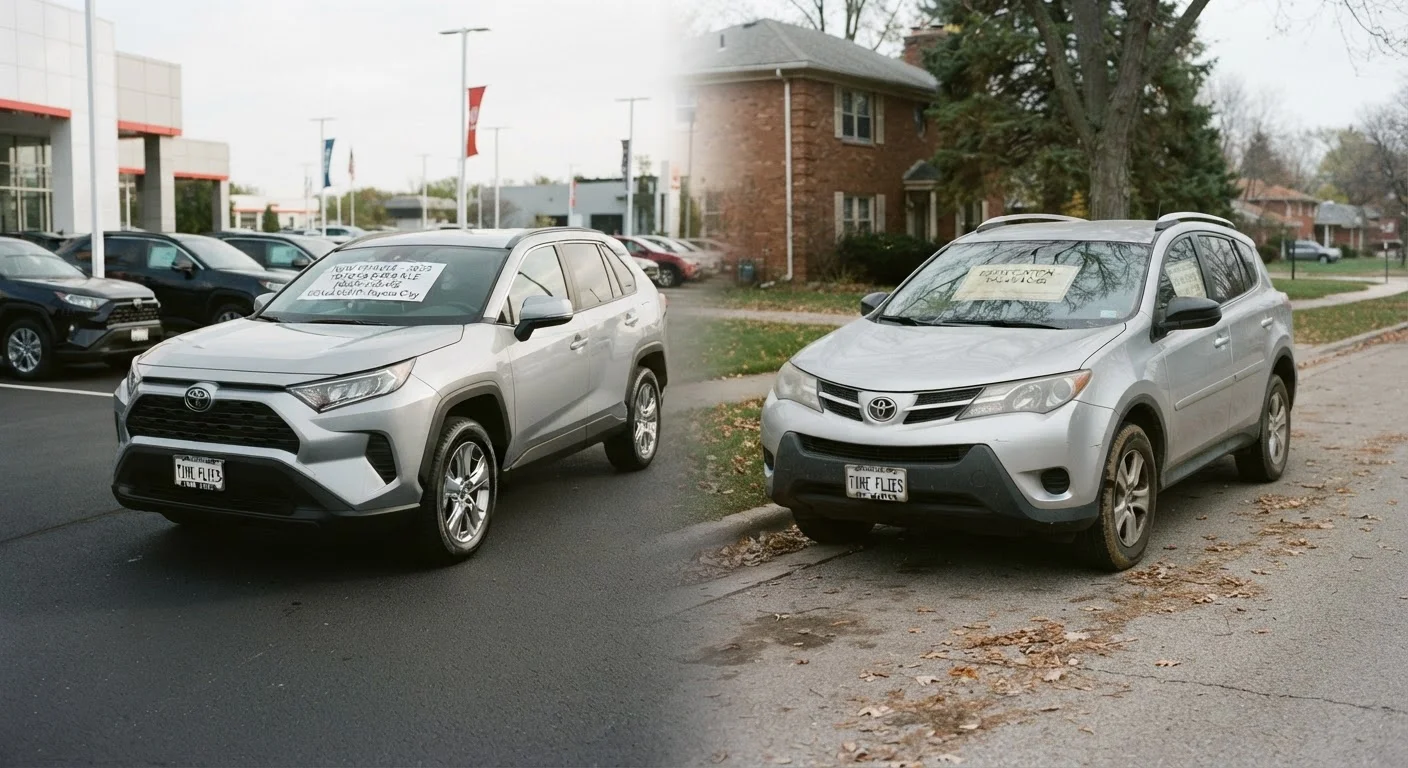
Photo: ConfiReads.com | Blogs For Inquisitive Minds editorial
Key Takeaways
- New vehicles typically lose 15-25% of their value in the first year alone.
- Depreciation is the single largest cost of vehicle ownership for most drivers.
- Mileage, condition, brand reputation, and market demand all influence how fast a car loses value.
- Buying a lightly used vehicle lets someone else absorb the steepest depreciation curve.
- Proper maintenance and low mileage can meaningfully slow a vehicle's depreciation rate.
Why Depreciation Is the Hidden Cost Most Drivers Ignore
Most drivers focus on monthly payments, insurance premiums, and fuel costs when budgeting for a vehicle. Depreciation rarely earns a line item on that mental spreadsheet - yet it typically represents the largest single cost of owning a car. The American Automobile Association (AAA) has consistently found that depreciation accounts for the biggest share of per-mile ownership costs for new vehicles.
Unlike a loan payment, depreciation isn't a bill that arrives monthly. It accumulates silently until the moment you sell or trade in your vehicle - and then it hits all at once. Understanding it before you buy is far more useful than discovering it at the dealership when negotiating a trade-in. For a broader look at what vehicle ownership actually costs, see our guide on the true cost of owning a car in America.
20%
Average first-year value loss for new cars
Industry estimates from sources including Kelley Blue Book suggest most new vehicles lose roughly 15-25% of their value within the first 12 months.
~50%
Value lost by end of year five
Many vehicles retain only about half their original purchase price after five years, though this varies considerably by make, model, and condition.
#1
Depreciation's rank among ownership costs
AAA's ongoing research into vehicle ownership costs consistently identifies depreciation as the single largest expense category for new vehicle owners.
What Drives Depreciation: The Key Factors
Depreciation isn't random. Several well-understood factors determine how quickly a specific vehicle loses value:
- Age and mileage: The first three years are the steepest. High annual mileage compounds the loss significantly. Odometer readings are one of the first things buyers and appraisers evaluate.
- Brand and model reputation: Vehicles from brands with strong reliability reputations - and models with consistently high resale demand - hold value better. Market perception matters as much as mechanical reality.
- Fuel type and technology: As consumer preferences shift, older powertrain technologies can depreciate faster. This has been particularly visible with certain vehicle segments as the auto market evolves.
- Condition: Dents, interior wear, and deferred maintenance all signal to buyers that a vehicle requires additional investment. Deferred maintenance doesn't just create repair bills - it actively erodes resale value.
- Supply and demand: Vehicles that are overproduced or fall out of fashion depreciate faster. Market scarcity, by contrast, can temporarily slow or even reverse depreciation for popular models.
The First-Year Drop: Why It's So Dramatic
The moment a new car is driven off the lot, it transitions from "new" to "used" in the eyes of the market. This categorical shift, combined with the fact that the original buyer absorbs all transaction costs (taxes, fees, and dealer markup), creates an immediate and steep value drop.
Buyers shopping for a used vehicle expect a discount for this reason - they know they could still buy new and want compensation for not doing so. This is precisely why purchasing a vehicle that is one to two years old can offer substantially better value: the steepest portion of the depreciation curve has already passed, but the vehicle is still relatively recent and may carry remaining warranty coverage.
“Depreciation is the price of enjoying a new vehicle. The question isn't whether you'll pay it - it's whether you've planned for it.”
— Cars & Driving Editorial Team, Automotive consumer guidance editors
For drivers looking to protect their investment over the long haul, consistent habits make a measurable difference. Our editorial team outlines responsible ownership habits that protect vehicle value in a dedicated guide.
What You Can Do as a Vehicle Owner
While you cannot stop depreciation, informed decisions before and during ownership can meaningfully reduce its impact:
- Research resale value before buying. Historical depreciation data is publicly available through resources like Kelley Blue Book and Edmunds. Look at five-year value retention, not just sticker price.
- Keep mileage reasonable. High annual mileage is one of the most reliable predictors of accelerated depreciation.
- Maintain your vehicle consistently. A complete service record is tangible proof of care for future buyers. See our overview of annual ownership costs many drivers underestimate to plan maintenance spending into your budget from the start.
- Protect the exterior and interior. Paint, upholstery, and trim condition directly affect appraisal outcomes.
- Sell before the next depreciation step. Vehicles tend to experience value drops at predictable milestones - around 60,000 miles and again approaching 100,000 miles. Timing a sale before these thresholds can improve your return.
Timing Your Sale Can Make a Real Difference
This article is for general informational and educational purposes only. It does not constitute financial or investment advice. For decisions related to your personal vehicle purchase, sale, or financial planning, consult a qualified professional.
Frequently Asked Questions
The content on this site is for informational purposes only and is not a substitute for professional advice. Always consult a qualified professional for guidance specific to your situation.