
Seasonal Car Maintenance: A Year-Round Readiness Checklist

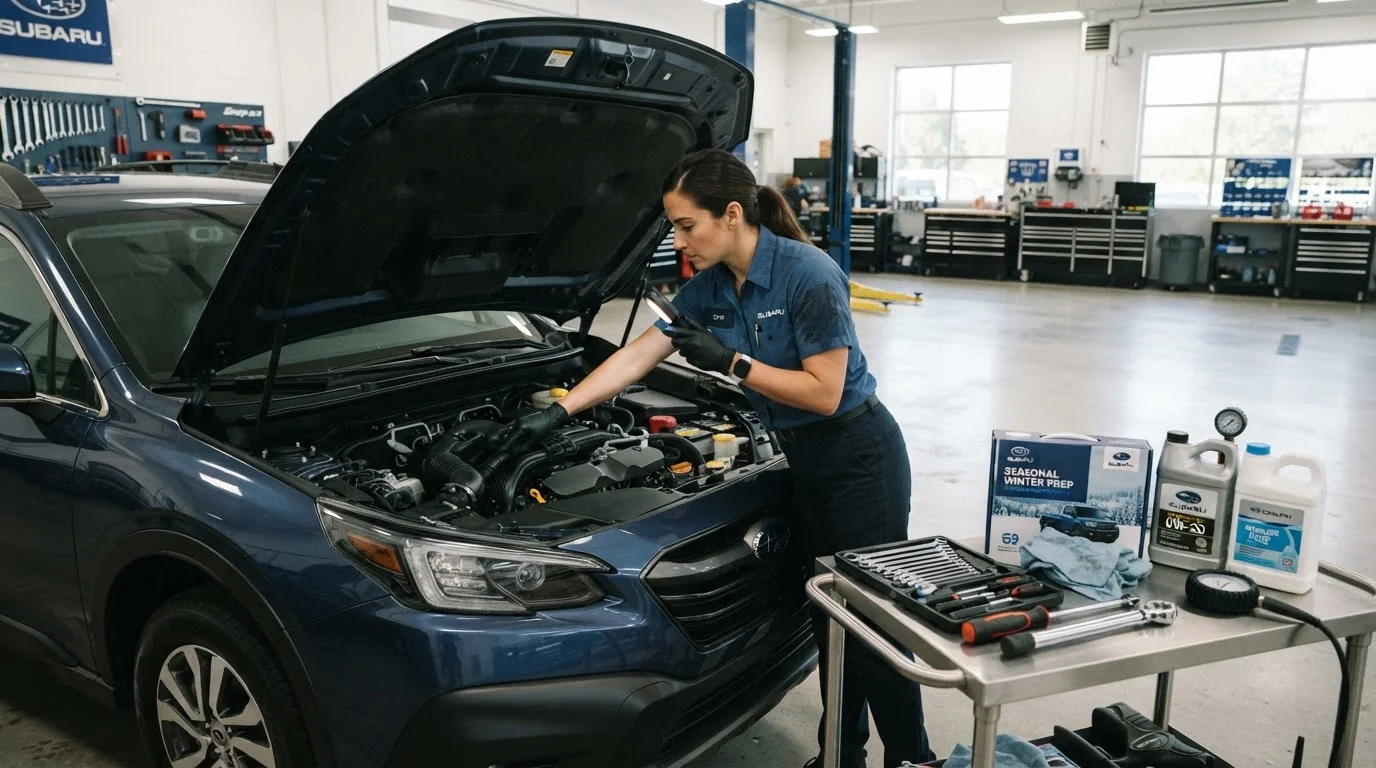
Photo: ConfiReads.com | Blogs For Inquisitive Minds editorial
Key Takeaways
- Each season brings distinct stress points - tires, battery, and fluids top the list in winter and summer.
- Most seasonal checks take under an hour and can prevent repairs costing hundreds or thousands of dollars.
- Your owner's manual is the authoritative source for model-specific service intervals.
- Keeping a maintenance log helps you track patterns and build a smarter service schedule.
- Some tasks require a qualified mechanic; knowing which ones prevents safety risks.
Why Seasonal Maintenance Matters
Temperature swings, road conditions, and driving patterns change dramatically across the four seasons - and each shift puts different demands on your vehicle. A battery that holds a charge in July may struggle to turn over an engine in January. Tires properly inflated in fall can become dangerously underinflated once cold snaps hit. Coolant that worked fine all winter may not protect your engine through a summer heat wave.
The goal of a seasonal maintenance routine is simple: catch small problems before they become expensive ones. According to the Car Care Council, a significant proportion of vehicles on American roads are operating with at least one maintenance item past due. That translates directly to breakdowns, failed safety inspections, and repair bills that dwarf the cost of preventive upkeep.
Before you start, pull out your owner's manual. The maintenance schedule section of your manual is the most accurate guide to service intervals for your specific make and model - more reliable than any general rule of thumb. Use this checklist alongside that resource, not in place of it.
Winter Readiness (December-February)
Spring Transition (March-May)
Summer Readiness (June-August)
Fall Preparation (September-November)
Tools and Resources You'll Need
You don't need a fully equipped garage to work through this checklist. Most seasonal checks are visual inspections or simple measurements any driver can perform in a driveway. That said, a few basic tools make the process faster and more accurate.
Tire Pressure Gauge
Accurately measures tire inflation so you can adjust to the manufacturer's recommended PSI each season.
Battery Tester / Multimeter
Tests battery voltage and cold-cranking amp output to identify a weakening battery before it fails.
Coolant Hydrometer or Refractometer
Measures the antifreeze concentration in your coolant to verify freeze and boil-over protection levels.
Flashlight or Inspection Light
Illuminates the engine bay, undercarriage, and wheel wells for visual inspections in poor lighting.
Tread Depth Gauge
Provides an accurate reading of remaining tire tread, more reliable than the penny test alone.
Fluid Funnels and Shop Towels
Keeps topping off fluids clean and mess-free, reducing the risk of contamination.
For tasks beyond basic inspection - such as brake pad replacement, belt inspection, or fluid flushes - consult a qualified mechanic. Attempting complex repairs without the right training or tools can create safety hazards and may void warranties. If budget is a concern, cost-conscious maintenance strategies can help you prioritize the most critical items first.
Once you've completed each seasonal round, log what you did and when. Keeping accurate maintenance records protects your car's resale value and gives any mechanic a clearer picture when diagnosing future issues.
Know Your Limits With DIY Maintenance
Putting It All Together
A seasonal approach to car maintenance works best when it becomes a habit rather than a reaction to a warning light. Set a recurring calendar reminder at the start of each season - or tie your check to an easy-to-remember date like a clocks-change weekend or a holiday. Pair your vehicle's seasonal needs with the broader responsibilities of vehicle ownership, including registration renewals and insurance reviews.
For drivers heading out on long trips, complete your seasonal checklist before departure. The driver safety checklist for long road trips covers vehicle, route, and personal readiness in one pass. And if you want to zoom out further, responsible vehicle ownership habits outlines the consistent practices that protect both safety and long-term vehicle value.
Exhaust Leaks Are a Safety Emergency
This article is for general informational purposes only. Always consult a qualified mechanic for diagnosis, repair, or any maintenance task beyond your comfort level. Refer to your vehicle's owner's manual for model-specific service requirements.
The content on this site is for informational purposes only and is not a substitute for professional advice. Always consult a qualified professional for guidance specific to your situation.