
Annual Vehicle Ownership Costs Most Drivers Underestimate

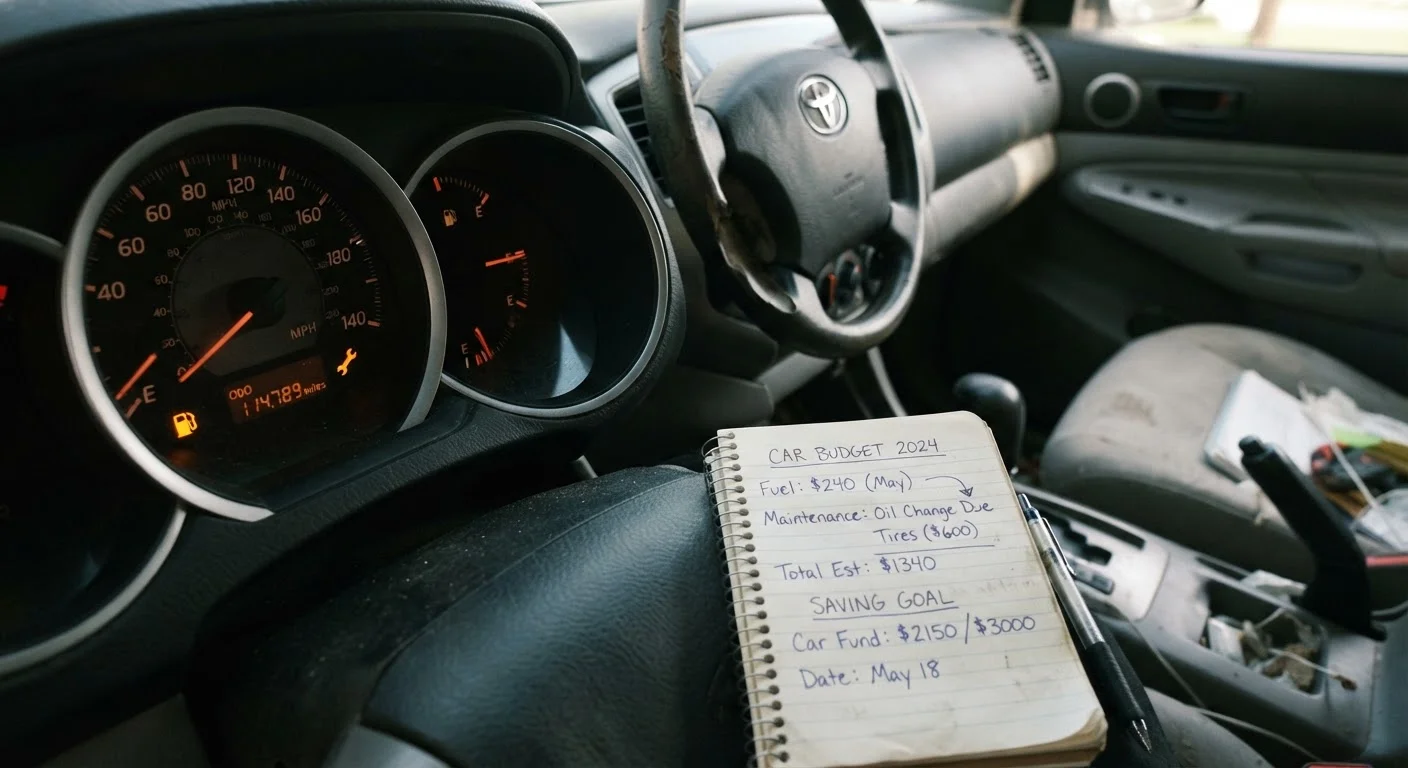
Photo: ConfiReads.com | Blogs For Inquisitive Minds editorial
Key Takeaways
- Tire replacement, registration fees, and inspection costs are frequently left out of annual car budgets.
- Depreciation silently erodes vehicle value every year, even when a car sits unused.
- Routine maintenance costs compound over time and often exceed drivers' initial estimates.
- Building a dedicated vehicle expense fund can prevent financial surprises throughout the year.
The Costs That Hide in Plain Sight
Most drivers have a clear picture of their car payment, fuel spending, and insurance premium. What catches many off guard are the legitimate, recurring expenses that fall outside those monthly line items. Registration renewals, tire replacements, emissions tests, and steadily compounding maintenance needs arrive on their own schedules - often all at once - and they can strain a budget that wasn't built to absorb them.
Research consistently shows that Americans underestimate total vehicle ownership costs. Industry surveys and consumer advocacy groups have long noted a gap between what drivers expect to spend and what they actually spend. If you've ever felt blindsided by a car-related expense, you're not alone - and a more complete picture of what ownership really costs can help you plan with greater confidence. For a broader look at how these expenses stack up, see the true cost of owning a car in America.
Build a Dedicated Vehicle Expense Fund
Tire Replacement and Rotation
Tires are a significant recurring expense that many drivers fail to account for when calculating annual ownership costs. Depending on driving habits, road conditions, and tire quality, most passenger vehicle tires need replacing every three to five years or every 25,000 to 50,000 miles. A full set of four tires can range from a few hundred dollars to well over a thousand, depending on vehicle type and brand. Rotation services, typically recommended every 5,000 to 7,500 miles, add smaller but consistent costs throughout the year. Budgeting for tires proactively - rather than waiting until tread wear becomes dangerous - protects both your finances and your safety.
Most drivers don't budget for tires until they're dangerously worn - a costly and preventable delay.
Annual Registration and Title Fees
Vehicle registration renewal is a mandatory annual expense that varies considerably by state and sometimes by county. Fees can range from under $50 in some states to several hundred dollars in others, often calculated based on vehicle age, weight, or assessed value. Some states also impose personal property taxes on vehicles, which can add meaningfully to the total. Drivers who budget only for loan payments and fuel often find themselves scrambling when registration renewal bills arrive. Knowing your state's fee structure in advance allows you to set aside the right amount month by month.
Registration fees vary widely by state and can reach several hundred dollars annually - plan accordingly.
State Inspection and Emissions Testing
Many states require annual or biennial safety inspections and, in certain regions, emissions testing. Inspection fees themselves are usually modest, but the real financial risk lies in failing an inspection. Required repairs - such as replacing worn brake pads, a failing catalytic converter, or malfunctioning lighting systems - can run into hundreds or even thousands of dollars. Drivers in states with strict emissions standards should be particularly attentive to vehicle maintenance throughout the year, as deferred repairs that trigger a failed emissions test often cost far more to fix under deadline pressure than they would have proactively.
Failing a state inspection can trigger repair bills far exceeding the cost of proactive maintenance.
Depreciation
Depreciation is often called the largest single cost of vehicle ownership, yet it rarely appears on a monthly budget spreadsheet because no invoice arrives in the mail. New vehicles can lose a significant portion of their value within the first few years of ownership. Even used vehicles depreciate, though typically at a slower rate. This matters because depreciation directly affects how much equity you retain when you eventually sell or trade in your vehicle. Understanding how depreciation works helps owners make smarter decisions about vehicle selection, loan terms, and timing of resale.
Depreciation is the largest cost many car owners never see - until it's time to sell.
Routine Maintenance Beyond Oil Changes
Oil changes get the most attention, but a complete maintenance schedule includes many other services that accumulate cost over a year. Air and cabin filters, spark plugs, brake fluid flushes, coolant flushes, transmission fluid changes, and belt inspections all have recommended service intervals. Missing these services can lead to larger mechanical failures down the road. Following a structured maintenance schedule is one of the most effective ways to control long-term ownership costs. Drivers who treat their vehicle's maintenance guide as optional often face repair bills that dwarf what proactive upkeep would have cost.
Routine maintenance beyond oil changes can add hundreds of dollars annually to your ownership costs.
Comprehensive and Collision Insurance Adjustments
Auto insurance premiums don't remain static. Rates can shift at renewal based on changes in your driving record, local claim trends, regional weather patterns, or the insurer's own pricing models - even if you haven't filed a claim. Additionally, as a vehicle ages and depreciates, the financial calculus around carrying comprehensive and collision coverage shifts. Some owners continue paying for coverage levels that exceed the vehicle's current market value. Reviewing your policy annually and understanding how total ownership costs fit together can reveal opportunities to right-size your coverage. Always consult a licensed insurance professional before making changes to your policy.
Insurance premiums can rise at renewal even without a claim - review your coverage annually.
Parking, Tolls, and Incidental Fees
For urban and suburban drivers especially, parking costs, toll road fees, and bridge charges can add up to a meaningful annual figure. Monthly parking in a city can rival a car payment in some markets. Even drivers in less dense areas accumulate toll charges, parking tickets, and permit fees that rarely make it into annual budget estimates. Tracking these costs for even one or two months often reveals how much is being spent on incidentals. These expenses are harder to plan for precisely, but allocating a reasonable buffer in your vehicle budget prevents them from eroding your general finances.
Parking and tolls are invisible budget drains - tracking them for one month often surprises drivers.
Turning Awareness Into a Better Budget
The seven costs listed above share a common trait: they are largely predictable. Unlike a sudden mechanical failure, most of these expenses can be anticipated, scheduled, and saved for in advance. Drivers who build consistent ownership habits - including tracking annual costs and following manufacturer maintenance schedules - tend to avoid the financial shock that comes from deferred awareness.
It's also worth examining whether any of your current spending is driven by common car ownership myths rather than actual need. And if budget constraints make keeping up with maintenance feel difficult, there are practical approaches for cost-conscious drivers worth exploring. The goal is not to eliminate vehicle ownership costs - they're unavoidable - but to face them without surprise.
Actual Costs Vary by Vehicle and Location
This article is for general informational and educational purposes only and does not constitute personalized financial, insurance, or legal advice. Costs vary by vehicle, location, and individual circumstances. Consult a licensed professional for guidance specific to your situation.
The content on this site is for informational purposes only and is not a substitute for professional advice. Always consult a qualified professional for guidance specific to your situation.