
The Real Cost of Deferred Car Maintenance

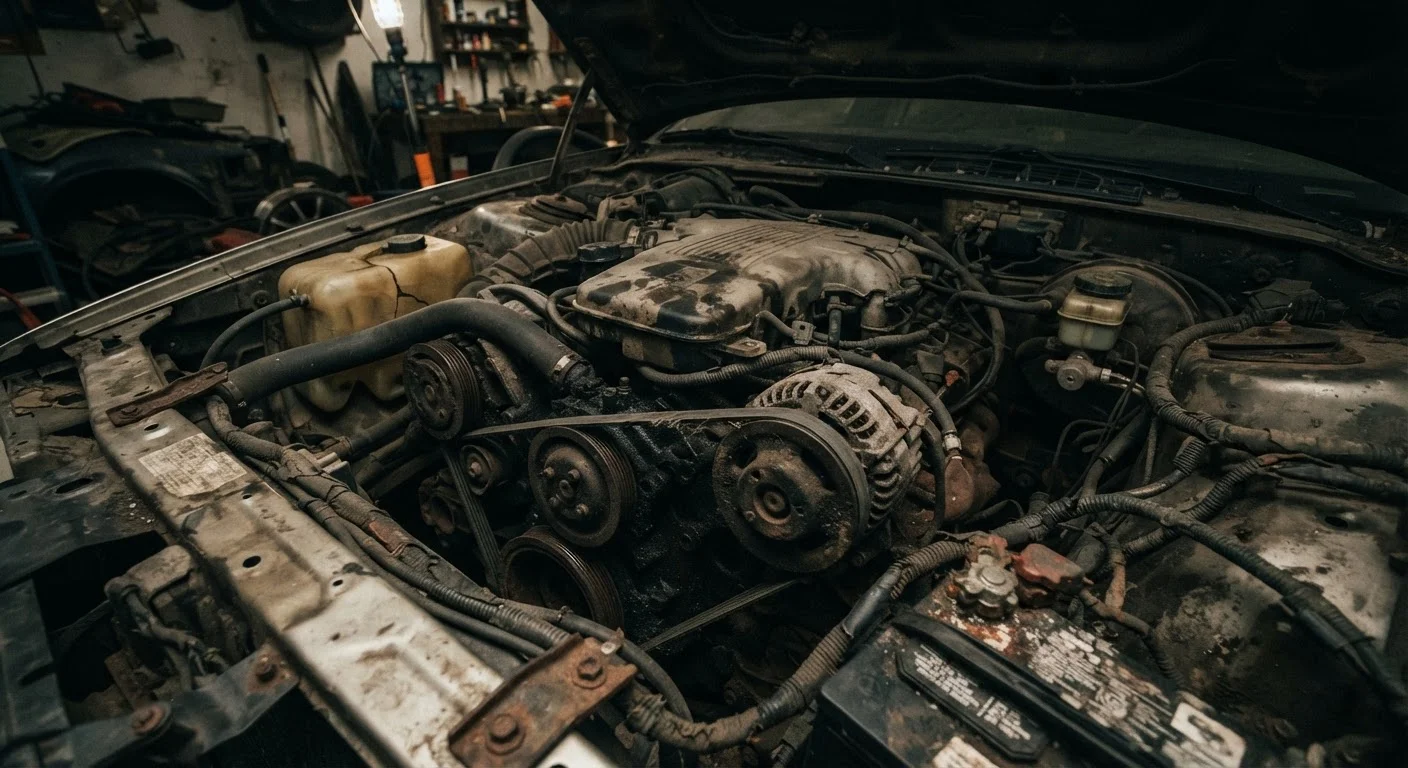
Photo: ConfiReads.com | Blogs For Inquisitive Minds editorial
Key Takeaways
- Deferred maintenance rarely saves money - it typically multiplies repair costs significantly over time.
- Small neglected items like oil changes or worn belts can cascade into engine or transmission failure.
- A poorly maintained vehicle loses resale value faster than one with documented service records.
- Budgeting for routine maintenance is almost always cheaper than financing emergency repairs.
Short-term cash flow relief in a tight month
Skipping a service appointment frees up $60-$150 immediately, which can matter when household finances are strained. This is the primary reason many drivers defer maintenance, and the short-term logic is understandable even if the long-term math doesn't hold.
Some non-critical services can safely be stretched briefly
Not every manufacturer interval is equally urgent. Air filter replacements or cabin filter swaps, for instance, can sometimes be delayed a few thousand extra miles without immediate consequences, as long as the owner returns to the correct interval afterward.
Allows time to compare shop quotes
A brief delay on a non-emergency service can give a driver time to get multiple repair estimates, potentially saving money on labor costs. This is only advisable for genuinely non-urgent items, not safety-critical systems.
Small neglect cascades into major mechanical failure
A $30 oil change skipped for too long can produce engine sludge that leads to bearing damage or complete engine seizure - a repair often costing $4,000 or more. The arithmetic is unambiguous: routine maintenance is dramatically cheaper than the failures it prevents.
Safety systems deteriorate silently
Brakes, tires, and steering components don't always announce their failure with obvious symptoms. Deferred inspections mean worn brake pads can score rotors, turning a $200 pad replacement into a $600-plus rotor-and-pad job - with reduced stopping power in the meantime.
Resale and trade-in value drops significantly
Incomplete service records lower buyer confidence and reduce offers at resale or trade-in. Dealers and private buyers both discount vehicles with maintenance gaps, meaning deferred service costs money twice: once in repairs and again at sale.
Emergency repairs are expensive and unpredictable
A breakdown rarely happens at a convenient time or place. Towing costs, after-hours service premiums, and the need for a rental vehicle can add several hundred dollars on top of the actual repair bill.
Financing repairs carries additional cost
Drivers without a maintenance fund may need to put emergency repairs on a credit card or personal loan, adding interest charges to an already expensive bill. This financial ripple effect is explored further in our overview of debt and credit.
Why Deferred Maintenance Costs More Than It Saves
When money is tight, skipping an oil change or postponing a brake inspection can seem like a reasonable trade-off. In reality, deferred maintenance is one of the most common - and costly - mistakes vehicle owners make. What begins as a $60 oil change delay can evolve into a $4,000-$8,000 engine repair when sludge accumulates and starves critical components of lubrication.
Vehicles are mechanical systems where components depend on each other. Neglect one part, and wear accelerates across connected systems. A worn serpentine belt, for example, doesn't just snap on its own - it can take out the power steering pump, alternator, and water pump with it. Understanding this cascade effect is the first step toward smarter ownership. See how maintenance fits into the broader picture with the true cost of owning a car in America.
Short-term cash flow relief in a tight month
Skipping a service appointment frees up $60-$150 immediately, which can matter when household finances are strained. This is the primary reason many drivers defer maintenance, and the short-term logic is understandable even if the long-term math doesn't hold.
Some non-critical services can safely be stretched briefly
Not every manufacturer interval is equally urgent. Air filter replacements or cabin filter swaps, for instance, can sometimes be delayed a few thousand extra miles without immediate consequences, as long as the owner returns to the correct interval afterward.
Allows time to compare shop quotes
A brief delay on a non-emergency service can give a driver time to get multiple repair estimates, potentially saving money on labor costs. This is only advisable for genuinely non-urgent items, not safety-critical systems.
The Hidden Costs That Accumulate Over Time
Many drivers underestimate how quickly deferred service compounds. Coolant flushes skipped for several years can allow rust and scale to accumulate in the cooling system, eventually causing a radiator or water pump failure - repairs that typically run $500-$1,500. Ignored transmission fluid intervals push the risk of full transmission replacement, which can exceed $3,000-$5,000 depending on the vehicle.
$1,186
Average annual car maintenance and repair cost per driver
According to AAA's annual Your Driving Costs study, U.S. drivers pay an average of roughly $1,186 per year in maintenance and repair - a figure that tends to spike when routine service is skipped.
3-4x
Cost multiplier for neglected vs. maintained repairs
Industry estimates from automotive repair associations consistently show that neglected maintenance items cost three to four times more to address once they've caused secondary damage compared to servicing them on schedule.
Beyond repair bills, there are secondary costs that rarely get factored in: towing fees, rental cars during extended shop time, and emergency financing charges if the repair wasn't budgeted. Drivers who carry auto loans may also find that an undriveable vehicle still demands a monthly payment - a painful double burden. For a full picture of recurring expenses that catch drivers off guard, see annual vehicle ownership costs most drivers underestimate.
Small neglect cascades into major mechanical failure
A $30 oil change skipped for too long can produce engine sludge that leads to bearing damage or complete engine seizure - a repair often costing $4,000 or more. The arithmetic is unambiguous: routine maintenance is dramatically cheaper than the failures it prevents.
Safety systems deteriorate silently
Brakes, tires, and steering components don't always announce their failure with obvious symptoms. Deferred inspections mean worn brake pads can score rotors, turning a $200 pad replacement into a $600-plus rotor-and-pad job - with reduced stopping power in the meantime.
Resale and trade-in value drops significantly
Incomplete service records lower buyer confidence and reduce offers at resale or trade-in. Dealers and private buyers both discount vehicles with maintenance gaps, meaning deferred service costs money twice: once in repairs and again at sale.
Emergency repairs are expensive and unpredictable
A breakdown rarely happens at a convenient time or place. Towing costs, after-hours service premiums, and the need for a rental vehicle can add several hundred dollars on top of the actual repair bill.
Financing repairs carries additional cost
Drivers without a maintenance fund may need to put emergency repairs on a credit card or personal loan, adding interest charges to an already expensive bill. This financial ripple effect is explored further in our overview of debt and credit.
Impact on Resale Value and Long-Term Ownership
A poorly maintained vehicle doesn't just cost more to keep running - it's worth less when you're ready to sell or trade it in. Buyers and dealers routinely inspect service records, and gaps signal elevated risk. A vehicle with complete, documented maintenance history can command hundreds to thousands of dollars more at resale than an identical model with missing records.
Deferred maintenance also accelerates depreciation beyond the normal curve. Car depreciation already works against owners quickly - neglect makes it worse. A well-maintained vehicle retains more of its value and gives the owner more options: selling privately, trading up, or avoiding an upside-down loan situation.
Maintenance Records Matter More Than You Think
If budget pressure is the reason maintenance keeps getting postponed, the approach - not the maintenance schedule - needs to change. Practical strategies exist for staying current on service without a large repair fund. Keeping up with car maintenance on a tight budget outlines realistic approaches for cost-conscious drivers. And if deferred repairs have already created financial strain, reviewing your budgeting basics can help you build a sustainable plan going forward.
The content on this site is for informational purposes only and is not a substitute for professional advice. Always consult a qualified professional for guidance specific to your situation.