
Car Fluids Every Driver Should Know About

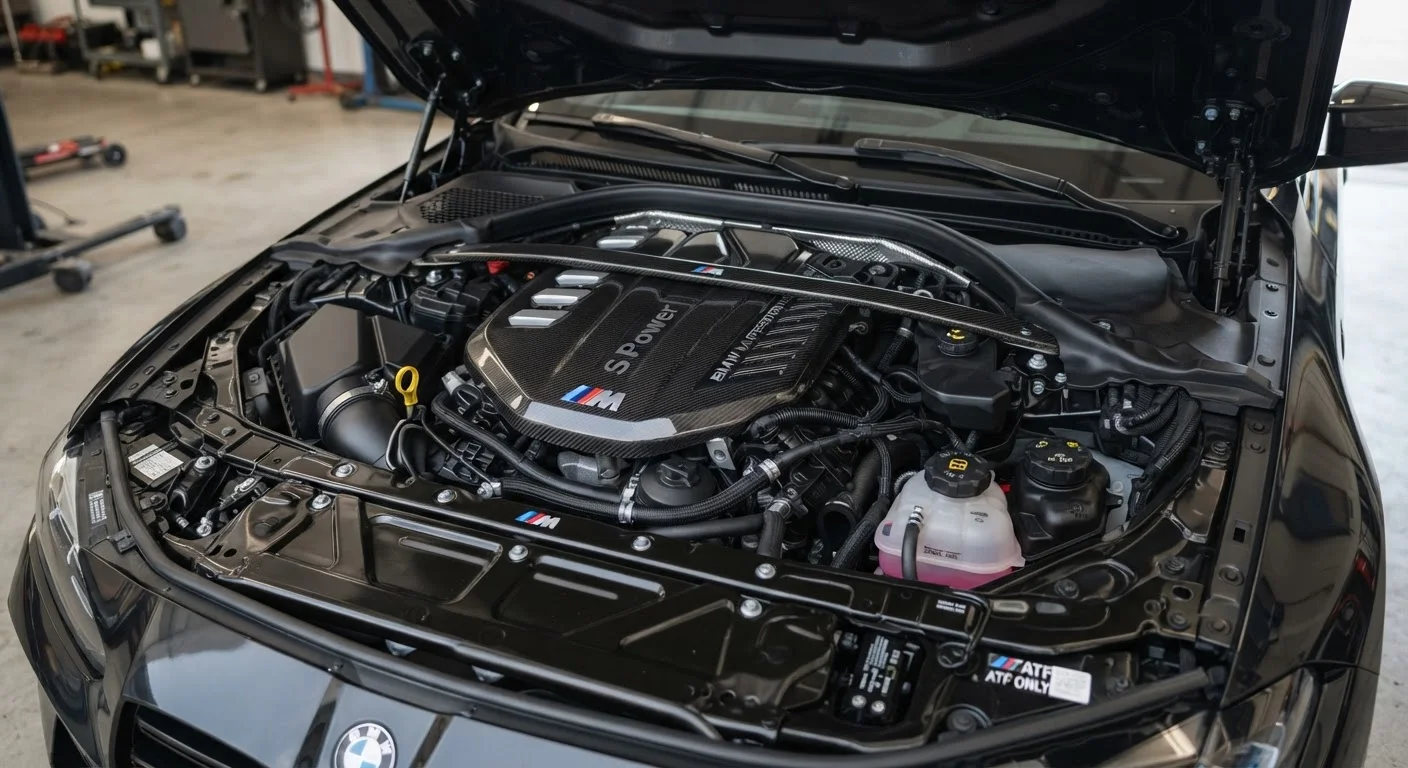
Photo: ConfiReads.com | Blogs For Inquisitive Minds editorial
Why Fluids Are the Lifeblood of Your Vehicle
Your car relies on a collection of specialized fluids to lubricate moving parts, manage heat, transmit force, and keep systems running safely. Neglecting these fluids - or topping them off with the wrong type - can accelerate wear, trigger expensive repairs, or create dangerous driving conditions.
This reference guide breaks down the six essential fluids in most passenger vehicles, what each one does, and the warning signs that something is wrong. For a broader look at keeping your car in shape, see our new driver maintenance guide.
| Engine oil change interval (general) | Every 5,000-10,000 miles (varies by oil type and vehicle) (Consult your owner's manual for your specific vehicle) |
| Coolant flush interval | Typically every 30,000-50,000 miles or 2-5 years (Varies by coolant type and manufacturer) |
| Brake fluid replacement | Every 2-3 years for most vehicles (Check owner's manual; moisture absorption degrades performance) |
| Power steering fluid check | Inspect annually or if steering feels stiff |
| Windshield washer fluid | Top off as needed; use rated winter formula in cold climates |
| Transmission fluid interval | Every 30,000-60,000 miles (manual) or 60,000-100,000 miles (automatic) (Intervals vary widely - always check your owner's manual) |
The Six Fluids You Need to Know
1. Engine Oil
Engine oil lubricates the hundreds of metal components inside your engine, reducing friction and carrying heat away from critical surfaces. It also suspends combustion byproducts so the oil filter can trap them. Oil degrades over time and mileage - check the dipstick monthly and change the oil according to your owner's manual. Look for a dark, gritty appearance or a low level as signs it's overdue. Common misconceptions about oil change frequency are covered in our car ownership myths article.
2. Coolant (Antifreeze)
Coolant circulates through the engine and radiator to maintain safe operating temperatures in both extreme heat and freezing cold. A low or contaminated coolant level can cause overheating within minutes. Check the translucent overflow reservoir when the engine is cold - the level should fall between the MIN and MAX markings. Coolant that appears rusty or oily should be inspected by a mechanic promptly.
3. Brake Fluid
Brake fluid is a hydraulic fluid: pressing your pedal compresses it, transmitting force to the brake calipers at each wheel. Because brake fluid is hygroscopic - it absorbs moisture from the air - its boiling point drops over time, which can reduce stopping power. A spongy or soft brake pedal is a key warning sign. Brake fluid replacement is a job for a qualified technician.
When in Doubt, Check Your Owner's Manual
4. Transmission Fluid
Transmission fluid lubricates gears and helps regulate temperature inside the transmission. Automatic transmissions typically have a dipstick or a sealed system (check your manual). Signs of trouble include delayed gear engagement, slipping, or a burnt smell. Routine replacement intervals vary widely between automatic and manual vehicles.
5. Power Steering Fluid
Conventional hydraulic power steering systems use this fluid to make steering effort manageable. If steering feels heavy or you hear a whining noise when turning, the fluid level or condition may be at fault. Note that many modern vehicles use electric power steering and have no reservoir for this fluid at all.
6. Windshield Washer Fluid
Often overlooked, washer fluid is a safety item - clear visibility is essential. Plain water freezes in cold climates and can crack the reservoir. Use a rated washer fluid appropriate for your region's temperatures.
Viscosity
A fluid's resistance to flow. Motor oil ratings like 5W-30 describe viscosity - lower numbers flow more freely in cold temperatures, higher numbers maintain thickness when hot.
Coolant (Antifreeze)
A liquid mixture of water and ethylene glycol that circulates through the engine to regulate operating temperature and prevent freezing or overheating.
Brake Fluid
A hydraulic fluid that transfers force from your brake pedal to the brake calipers. It is hygroscopic, meaning it absorbs moisture over time, which reduces braking effectiveness.
Transmission Fluid
A lubricating and cooling fluid specific to the transmission system. Automatic and manual transmissions typically require different types.
Power Steering Fluid
A hydraulic fluid used in conventional power steering systems to make turning easier. Many newer vehicles use electric power steering and do not require this fluid.
DEF (Diesel Exhaust Fluid)
A urea-based fluid required by diesel vehicles with selective catalytic reduction (SCR) systems to reduce harmful nitrogen oxide emissions.
Connecting Fluids to the Bigger Maintenance Picture
Fluid levels and condition are among the first things a trained mechanic checks during an inspection. Staying on top of them is one of the lowest-cost, highest-impact habits a driver can develop. Our mechanics' inspection checklist covers related items that are easy to miss.
Many fluid problems will also trigger a dashboard warning light before they become critical failures. If a light appears on your instrument cluster, see our warning light decoder to understand what it means. For a season-by-season fluid maintenance schedule, our seasonal maintenance checklist is a practical companion to this guide.
~40%
Of roadside breakdowns tied to maintenance neglect
Industry estimates from roadside assistance providers consistently attribute a large share of preventable breakdowns to deferred fluid and maintenance checks.
2-3 years
Typical brake fluid service interval
Moisture absorption over time lowers brake fluid's boiling point, reducing hydraulic effectiveness - most manufacturers recommend replacement every two to three years.
This article provides general vehicle maintenance information for educational purposes only. Always consult your vehicle's owner's manual and a qualified mechanic for advice specific to your car.
The content on this site is for informational purposes only and is not a substitute for professional advice. Always consult a qualified professional for guidance specific to your situation.