
Your Car's Warning Lights, Decoded

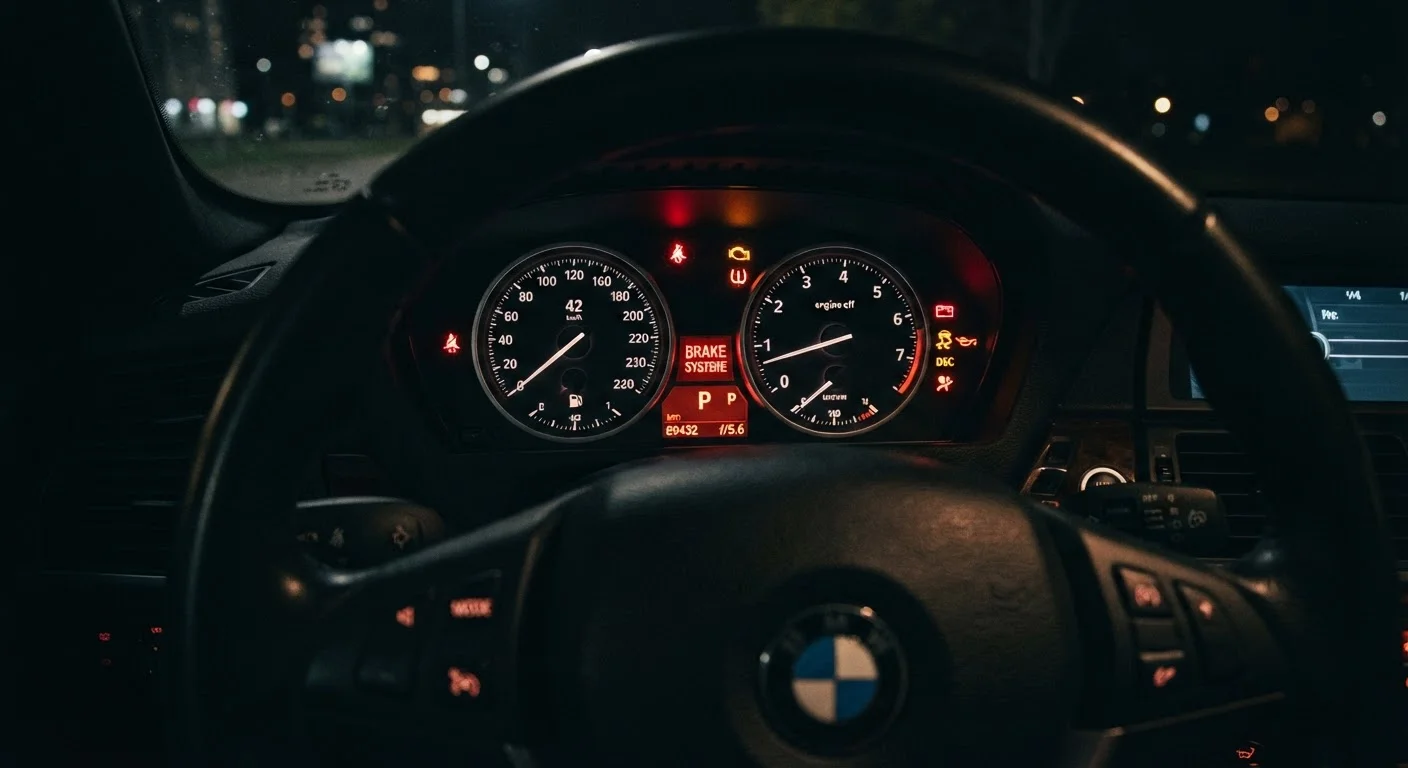
Photo: ConfiReads.com | Blogs For Inquisitive Minds editorial
Why Warning Lights Exist - and Why You Shouldn't Ignore Them
Your car's onboard diagnostic system monitors dozens of sensors simultaneously, from oil pressure to tire inflation. When something falls outside normal parameters, it triggers a warning light on your instrument cluster. These lights are your vehicle's earliest communication that something needs attention - and acting promptly can mean the difference between a $30 fix and a $3,000 repair.
Understanding what each symbol means - and how urgently you need to respond - is one of the most practical skills any driver can develop. See our guide to what mechanics notice first for related maintenance blind spots most drivers miss.
| Number of OBD-II fault codes | Over 5,000 (Society of Automotive Engineers (SAE) OBD-II standard) |
| Most common reason for check engine light | Loose or faulty gas cap (General automotive diagnostic data) |
| Recommended tire pressure range (most passenger cars) | 32-35 PSI (Check driver's door jamb sticker for your vehicle's specific value) |
| Time to engine damage from zero oil pressure | As little as 30 seconds (Automotive engineering general guidance) |
| Colors used in dashboard warning systems | Red, amber/yellow, green, blue (ISO 2575 international standard for vehicle symbols) |
The Most Common Warning Lights, Explained
Not all warning lights carry the same urgency. Use this reference to understand what you're looking at and what to do next.
Check Engine Light (CEL)
An amber light shaped like an engine outline that signals the onboard diagnostic system has detected a fault in the engine or emissions system. It can range from a loose gas cap to a misfiring cylinder - a diagnostic scan is needed to identify the exact code.
Oil Pressure Warning
A red oil can symbol indicating dangerously low oil pressure. Stop driving immediately; running the engine without adequate oil pressure can cause irreversible engine damage within minutes.
Battery / Charging System
A red battery symbol signaling that the vehicle's charging system is not maintaining adequate voltage. Common causes include a failing alternator, a worn battery, or a broken drive belt.
Tire Pressure (TPMS)
An amber symbol resembling a cross-section of a tire with an exclamation point. It means one or more tires is significantly under-inflated. Check and inflate all four tires to the manufacturer's recommended PSI, found on the driver's door jamb sticker.
Coolant Temperature
A red thermometer symbol indicating the engine is overheating. Pull over safely and shut off the engine - continuing to drive while overheating can warp cylinder heads and cause catastrophic engine damage.
Brake System Warning
A red circle with an exclamation mark (or the letter 'P' inside a circle) that can indicate the parking brake is engaged, brake fluid is low, or there is a fault in the brake hydraulic system. If the parking brake is released and the light remains, have it inspected immediately.
Traction Control / Stability Control
An amber car with wavy lines beneath it. When flashing, it means the system is actively working to prevent wheel slip. When solid and accompanied by 'OFF,' it means the system has been disabled - either manually or due to a fault.
Transmission Temperature
An amber or red thermometer inside a gear symbol indicating the transmission fluid is overheating. Reduce load (avoid towing), pull over if possible, and allow the transmission to cool before continuing.
For battery-specific warnings - including slow cranking and dim lights even before the battery symbol appears - learn the early signs of battery failure before it leaves you stranded.
Red vs. Yellow vs. Green: Understanding Light Color Priority
Color coding is your first clue about severity:
- Red lights signal an immediate or safety-critical problem. Stop driving as soon as it is safe to do so and investigate or call for assistance. Examples: engine temperature, oil pressure, brake system warning.
- Yellow or amber lights indicate a condition that needs attention soon but is generally not an immediate emergency. Schedule service within a day or two. Examples: check engine, tire pressure, traction control off.
- Green or blue lights are informational - they confirm that a system is active, such as high beams or turn signals.
When in Doubt, Pull the Owner's Manual
Staying on top of these signals also supports broader compliance. Our year-round maintenance and compliance checklist covers the recurring tasks that keep your vehicle both safe and road-legal.
What to Do When a Light Comes On
Follow these steps whenever a new warning light appears:
- Don't panic, but don't dismiss it. Note which symbol appeared and whether it's red or amber.
- Check your owner's manual. Every symbol is defined there, often with manufacturer-specific guidance for your vehicle.
- Assess driving conditions. If a red light appears alongside unusual smells, sounds, or handling changes, pull over safely and turn off the engine.
- Get a diagnostic scan if the light persists. Most auto parts stores offer free OBD-II code reads that can point you toward the faulty system.
- See a qualified mechanic promptly. A warning light is not a suggestion - delayed attention commonly converts minor faults into major failures.
1 in 4
Cars on U.S. roads with an illuminated check engine light
According to data analyzed by automotive research firm CarMD, a significant share of vehicles are being driven with active fault codes at any given time.
$300-$400
Average cost of check engine light repairs
CarMD's Vehicle Health Index has consistently found this to be the median repair cost associated with check engine light diagnoses in the U.S.
This article provides general vehicle information for educational purposes only. Always consult a qualified mechanic for diagnosis, repair decisions, and any situation that may affect your safety on the road.
The content on this site is for informational purposes only and is not a substitute for professional advice. Always consult a qualified professional for guidance specific to your situation.