
What 5G Actually Means for Your Smartphone Experience

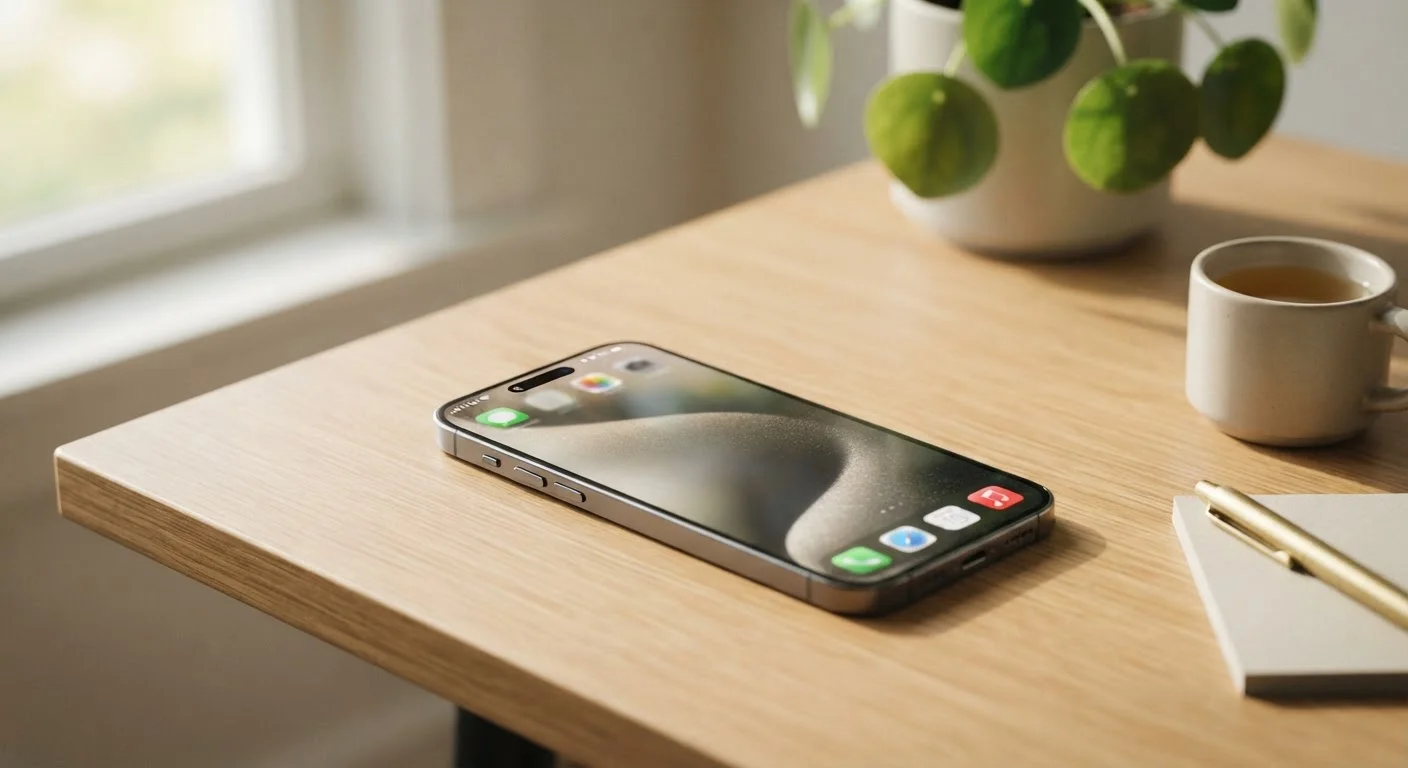
Photo: ConfiReads.com | Blogs For Inquisitive Minds editorial
Key Takeaways
- 5G is faster than 4G LTE, but real-world speeds vary widely by carrier, location, and the type of 5G band in use.
- Low-band 5G covers the most ground but offers speeds only modestly better than 4G - mid-band is where the meaningful upgrade happens.
- 5G can drain battery faster than 4G, though chipset improvements in newer phones have narrowed that gap considerably.
- Most everyday tasks - texting, social media, email - won't feel dramatically different on 5G versus a strong 4G connection.
- 5G is future-facing: its real impact grows as more apps, services, and infrastructure are built around its capabilities.
The Difference Between 5G on Paper and 5G in Your Pocket
Carrier commercials promise blazing speeds and a transformed mobile experience. The reality is more nuanced - and more interesting. 5G is a genuine leap in wireless technology, but its impact on your daily phone use depends heavily on where you live, which carrier you're on, and what you actually do with your phone.
The three types of 5G spectrum tell the real story. Low-band 5G covers enormous distances and penetrates buildings well, but speeds are only a step above 4G LTE. Mid-band 5G - sometimes labeled "Ultra Capacity" or "UC" by carriers - delivers substantially faster speeds (often 200-400 Mbps in real conditions) and is the version most people experience in cities and suburbs. High-band mmWave 5G is exceptionally fast but limited to very short range, mostly found in stadiums, airports, and dense urban corridors.
When your phone shows a "5G" icon in the status bar, you could be on any one of these - and the experience will differ accordingly. For more context on how connectivity standards shape your devices, see the Internet & Connectivity hub.
10x
Peak speed increase over 4G LTE
Under ideal conditions, 5G networks are theoretically capable of speeds up to 10 times faster than 4G LTE, according to carrier and industry technical specifications.
~1ms
Target latency for 5G networks
5G aims for latency as low as 1 millisecond in optimal deployments, compared to roughly 30-50ms typical on 4G LTE, benefiting real-time applications like gaming and video calls.
200-400 Mbps
Typical mid-band 5G real-world speeds
Independent network testing by firms like Ookla and RootMetrics has found mid-band 5G consistently delivering this range for US consumers in covered areas.
What 5G Actually Changes (and What It Doesn't)
For tasks like checking email, sending texts, or scrolling social media feeds, a strong 4G LTE signal is already more than adequate. Where 5G starts to make a tangible difference:
- Downloading large files: A movie download that takes several minutes on 4G can finish in seconds on mid-band 5G.
- Video streaming: Higher-quality streams load faster and buffer less, especially in crowded areas where 4G gets congested.
- Mobile gaming: Lower latency reduces lag in multiplayer games - a noticeable improvement for competitive play.
- Crowded venues: 5G handles many simultaneous users better than 4G, so your connection at a concert or sporting event stays more reliable.
What 5G doesn't change: the quality of your photos, how loud your speaker is, or how well your apps are designed. It's a network upgrade, not a device upgrade. If you're setting up a new smartphone, the 5G capability is built in - you don't need to configure anything special to use it.
Check Your Carrier's 5G Coverage Map
5G and Battery Life: What to Expect
One common concern is whether 5G accelerates battery drain. Early 5G phones (2019-2020) did suffer from reduced battery life because the first-generation 5G modems consumed more power. Manufacturers have since refined the hardware significantly.
On phones released from 2022 onward, the difference in battery drain between 4G and 5G use is modest in most real-world conditions. That said, if you're in an area with poor 5G signal, your phone works harder to maintain a connection - which can increase drain regardless of the network generation.
A practical workaround: most Android phones let you switch to LTE-only mode in the network settings menu, which can extend battery life when you know you're in a weak 5G area. iPhone users can find a similar option under Cellular settings. For a deeper look at other battery-related decisions, the article on wired vs. wireless charging covers how charging habits affect long-term battery health.
Is Upgrading to a 5G Phone Worth It Right Now?
If you're due for a phone upgrade, the good news is that most new smartphones already include 5G - you're unlikely to find a current flagship or mid-range device without it. The decision isn't really "should I get 5G" but rather "does the rest of this phone suit my needs."
For existing phone owners, upgrading solely for 5G is harder to justify unless you regularly do data-heavy tasks on the go or live in an area with strong mid-band coverage. The practical benefits are real but incremental for most users right now. That calculus will shift as more apps and services are designed to take advantage of 5G's lower latency and higher throughput - it's a technology that's still building toward its fuller potential.
5G is also part of a broader trend of rapid hardware evolution. For perspective on how quickly device categories can transform, see how much gadgets have changed in the past decade.
Frequently Asked Questions
The content on this site is for informational purposes only and is not a substitute for professional advice. Always consult a qualified professional for guidance specific to your situation.