
Gadget Categories That Have Changed the Most in the Past Decade

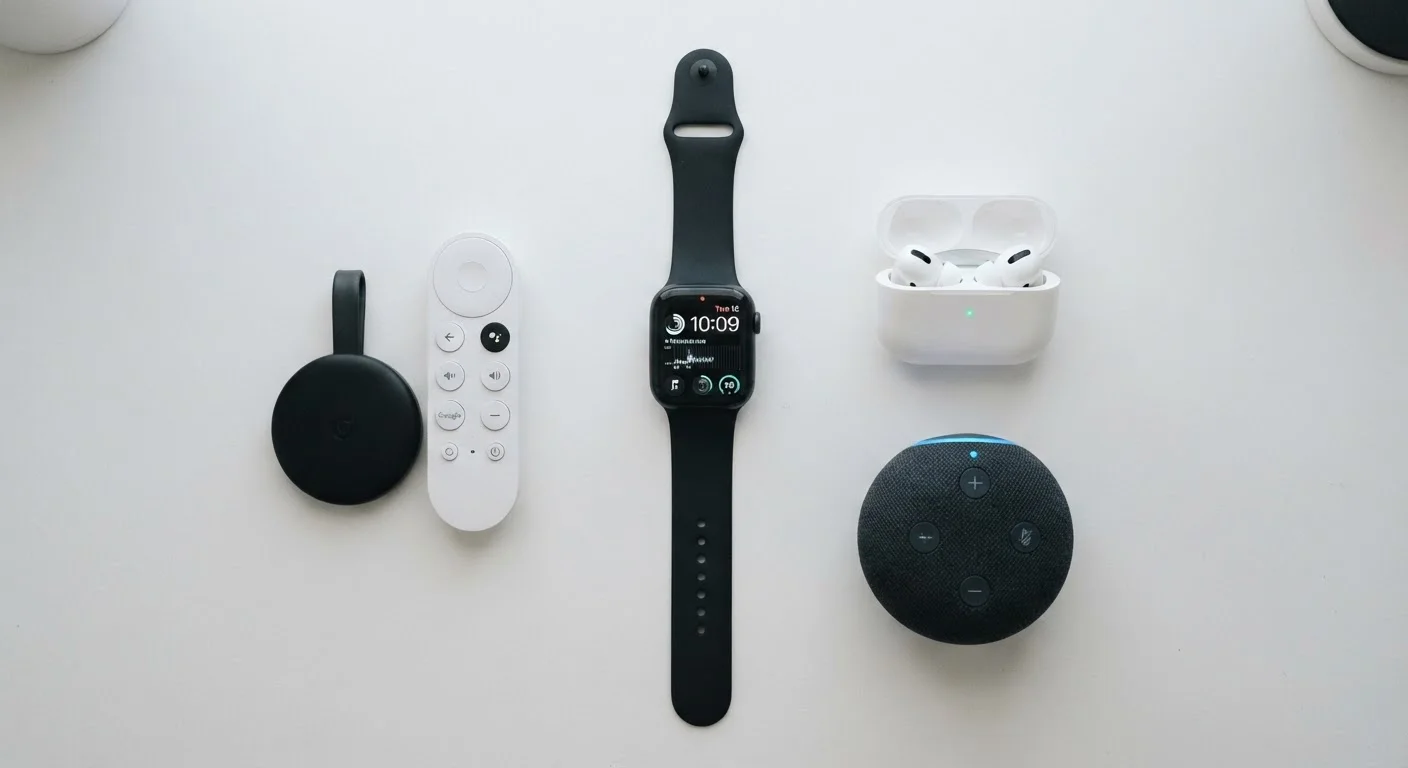
Photo: ConfiReads.com | Blogs For Inquisitive Minds editorial
Key Takeaways
- Wearables have evolved from basic step counters into medical-grade health monitoring devices.
- Smart TVs now function as fully connected computing platforms, not just larger screens.
- Wireless earbuds have replaced wired headphones as the dominant personal audio format.
- Smartphones absorbed entire product categories while also spawning new ones like smart home hubs.
- Streaming devices made standalone media players and physical disc formats largely obsolete for most households.
Why Some Categories Transform Faster Than Others
Not every gadget changes at the same pace. Some devices - basic USB chargers, for instance - look nearly identical to how they did a decade ago. Others have been rewritten from the ground up by shifts in connectivity, miniaturization, and what consumers actually want from their technology.
The categories below aren't just incrementally improved. They've changed their fundamental purpose, their audience, or both. Understanding how they shifted helps you make smarter decisions when you're evaluating what's actually worth buying today. Before committing to any new device, it's worth running through a structured evaluation - our pre-purchase checklist covers compatibility, long-term costs, and privacy considerations in detail.
Wearables: From Pedometers to Personal Health Labs
A decade ago, a fitness tracker told you how many steps you took. Today's wearables can detect irregular heart rhythms, measure blood oxygen saturation, track sleep stages, and - on some models - generate an ECG reading that a physician can review. The underlying sensors have grown sophisticated enough that several wearable devices have received FDA clearance for specific health monitoring functions.
This shift matters practically. Wearables are no longer just motivational tools for people who want to hit 10,000 steps. They're increasingly relevant to people managing chronic conditions, tracking recovery, or wanting earlier signals about their health. For practical fitness context, our fitness and exercise hub covers how to use that data constructively.
Today's wearables can generate ECG readings - a function that was clinical equipment just a decade ago.
Smart TVs: Screens That Became Platforms
The television used to be a passive display that needed a cable box, a DVD player, or a game console to do anything interesting. Modern smart TVs ship with full operating systems - Roku OS, Google TV, Amazon Fire TV, and others - that run streaming apps, support voice assistants, and connect to smart home ecosystems directly.
More significantly, many households have cut cable entirely and rely on smart TV platforms as their primary entertainment gateway. The TV is no longer the dumbest device in the living room; for many families, it's the hub. For more on how smart home devices interconnect, see our explainer on smart speakers, displays, and hubs.
Modern smart TVs run full operating systems and serve as smart home hubs - not just bigger screens.
Wireless Earbuds: A Category That Barely Existed
True wireless earbuds - no wire connecting the two earpieces - were a niche curiosity around 2016. Within a few years they became the dominant personal audio format for most consumers. The shift was driven by improving battery life, active noise cancellation moving from premium to mid-range price points, and smartphones removing the headphone jack.
Today's earbuds do considerably more than play audio. Many include transparency modes that let ambient sound pass through, spatial audio processing, and real-time translation features. Some models also function as basic hearing assistance devices for mild hearing loss, a medically significant development that regulatory agencies have begun to address with dedicated device categories.
Active noise cancellation - once a premium feature - is now standard on mid-range wireless earbuds.
Smartphones: The Category That Absorbed Everything
The smartphone didn't just improve - it consumed other categories. Standalone GPS devices, point-and-shoot cameras, MP3 players, portable gaming handhelds, and alarm clocks all declined as smartphones grew capable enough to replace them. At the same time, the smartphone's own camera systems have become sophisticated enough that many professional photographers use them as supplementary or primary tools.
The phone is now the device most people interact with more than any other, which makes decisions about which one to own - and how to care for it - more consequential. Our guide on habits that shorten device lifespan is especially relevant for a device this central to daily life.
Smartphones didn't just improve - they consumed entire standalone product categories in the process.
Streaming Devices: From Novelty to Infrastructure
A decade ago, streaming sticks and media boxes were convenience accessories for early adopters. Today they function as critical household infrastructure. Physical media sales have declined steeply, and the market for dedicated DVD and Blu-ray players has shrunk to a fraction of its former size as streaming became the default delivery method for video content.
The streaming device category also forced a meaningful rethink of what a "channel" means. Consumers now navigate subscription services, free ad-supported tiers, and live TV bundles - all through a single interface. That complexity has made device software and ecosystem compatibility just as important as hardware specs when evaluating which streaming device to buy.
Streaming devices shifted from convenience accessories to the primary way most households consume video.
What This Means for How You Shop
The common thread across all these categories is that the baseline expectation has risen sharply. A smart TV that can't run streaming apps, a wearable that only counts steps, or earbuds without active noise cancellation now feel like compromises rather than entry points. Knowing what the category can do at its current ceiling helps you identify where you're willing to spend and where you're not.
Focus on What the Category Does Now
It's also worth recognizing that these transformations aren't finished. Categories like tablets and laptops continue to overlap in ways that complicate buying decisions - our breakdown of tablet vs. laptop choices can help clarify which device actually fits your routine. And if you want to understand the full map of consumer devices available today, our beginner's guide to the device landscape is a useful starting point.
The content on this site is for informational purposes only and is not a substitute for professional advice. Always consult a qualified professional for guidance specific to your situation.