
Smart Home Devices: An Honest Look at the Benefits and the Frustrations

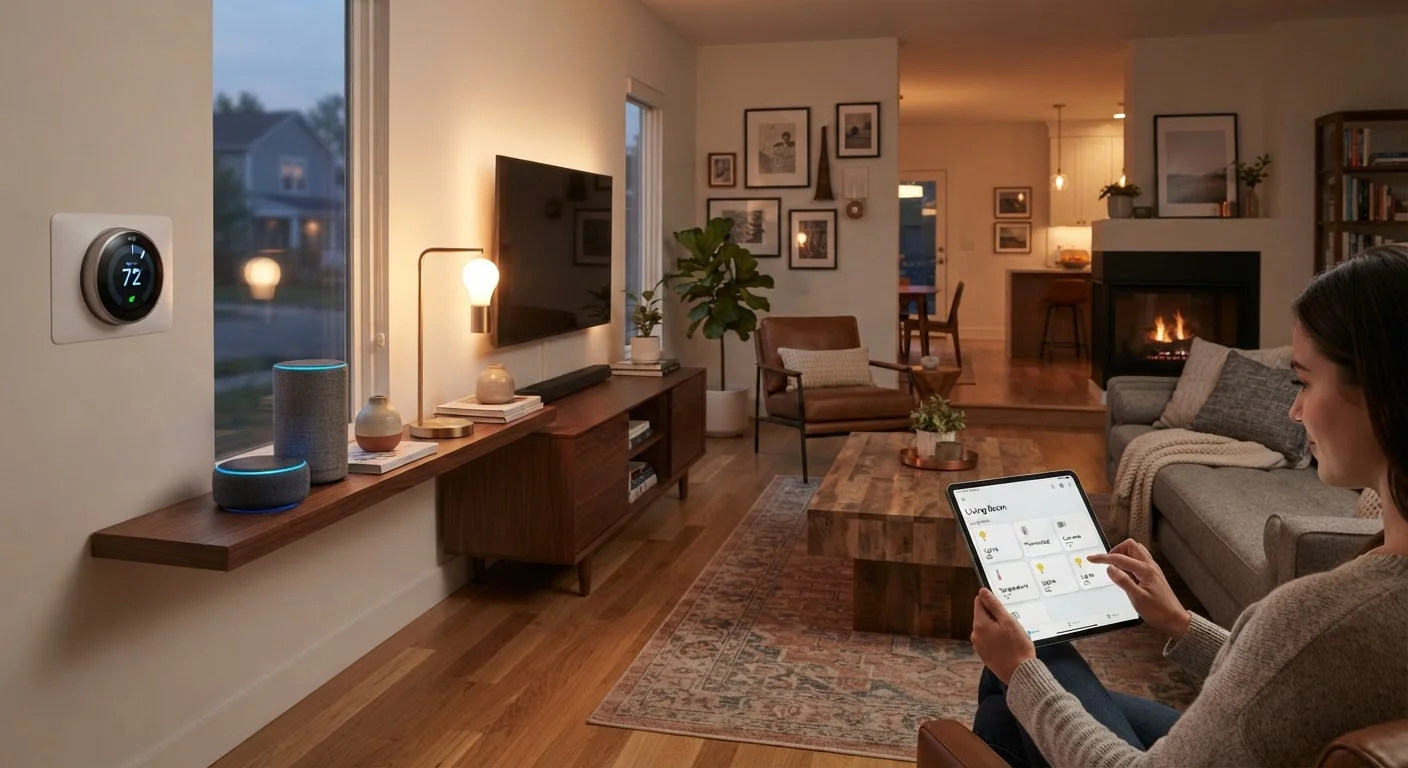
Photo: ConfiReads.com | Blogs For Inquisitive Minds editorial
Key Takeaways
- Smart home devices can meaningfully reduce energy costs and household friction when set up correctly.
- Privacy trade-offs are real - most devices collect usage data, and some are always listening.
- Compatibility between brands remains a common frustration for consumers building multi-device setups.
- Upfront costs and subscription fees can add up well beyond the sticker price of individual gadgets.
- Reliability depends heavily on your home Wi-Fi network, making a strong connection a prerequisite.
Reduces energy costs through automated scheduling
Smart thermostats from established brands have been shown in multiple studies to reduce heating and cooling costs by 10-15% annually for households that use scheduling and presence-detection features consistently.
Remote control adds genuine convenience
The ability to lock a door, check a camera, or turn off a forgotten appliance from your phone is practical - not just novelty - particularly for households with children, elderly family members, or frequent travelers.
Automation reduces daily mental load
Routines that automatically adjust lights, temperature, and locks at set times remove low-stakes decisions from your day, which many users describe as a meaningful quality-of-life improvement.
Enhanced home security visibility
Video doorbells and smart cameras provide real-time alerts and recorded footage that standard doorbells and passive locks can't offer, giving homeowners better situational awareness.
Accessibility benefits for users with mobility limitations
Voice-controlled lights, thermostats, and appliances meaningfully improve independence for people with physical disabilities or limited mobility - a benefit that goes well beyond convenience.
Privacy trade-offs are real and ongoing
Devices with always-on microphones or cameras continuously collect data. Understanding what each device stores, who can access it, and how to limit data sharing requires deliberate effort from the buyer.
Cross-brand compatibility remains inconsistent
Despite the Matter standard's promise of interoperability, many devices still work best within their own ecosystem, making a mixed-brand setup more complicated than advertised on packaging.
Total cost exceeds sticker price
Many devices require monthly subscriptions for cloud storage, advanced features, or professional monitoring - costs that can exceed the hardware price over two or three years.
Reliance on a reliable internet connection
Most smart home features stop working - or work only partially - when your internet goes down or your router signal is weak, creating a dependency that traditional switches and locks don't have.
Devices can be abandoned by manufacturers
Companies discontinue smart home product lines, shut down cloud services, or end software support, potentially rendering a device non-functional years before its hardware wears out.
Setup complexity can be substantial
Initial configuration, app installations, account creation, and troubleshooting connectivity issues can take hours - a friction that marketing materials routinely understate.
What Smart Home Devices Actually Do
Smart home devices are internet-connected gadgets - thermostats, lights, locks, cameras, speakers, appliances - that can be monitored, controlled, or automated through a smartphone app or a voice assistant. The category spans from inexpensive Wi-Fi plugs under $15 to whole-home systems costing thousands of dollars.
At their core, these devices replace manual controls with remote or scheduled ones. A smart thermostat learns your schedule and adjusts temperatures automatically. Smart bulbs dim or shift color temperature on command. A video doorbell lets you see who's at the door from anywhere. Before evaluating whether any of this is worth it, it helps to understand the specific roles different devices play. Our guide to smart speakers, displays, and hubs breaks down the differences between the most commonly confused product types.
Reduces energy costs through automated scheduling
Smart thermostats from established brands have been shown in multiple studies to reduce heating and cooling costs by 10-15% annually for households that use scheduling and presence-detection features consistently.
Remote control adds genuine convenience
The ability to lock a door, check a camera, or turn off a forgotten appliance from your phone is practical - not just novelty - particularly for households with children, elderly family members, or frequent travelers.
Automation reduces daily mental load
Routines that automatically adjust lights, temperature, and locks at set times remove low-stakes decisions from your day, which many users describe as a meaningful quality-of-life improvement.
Enhanced home security visibility
Video doorbells and smart cameras provide real-time alerts and recorded footage that standard doorbells and passive locks can't offer, giving homeowners better situational awareness.
Accessibility benefits for users with mobility limitations
Voice-controlled lights, thermostats, and appliances meaningfully improve independence for people with physical disabilities or limited mobility - a benefit that goes well beyond convenience.
The Real Frustrations Worth Knowing Before You Buy
Smart home technology improves year over year, but that doesn't mean it's friction-free. Several recurring issues trip up even technically comfortable households.
Privacy trade-offs are real and ongoing
Devices with always-on microphones or cameras continuously collect data. Understanding what each device stores, who can access it, and how to limit data sharing requires deliberate effort from the buyer.
Cross-brand compatibility remains inconsistent
Despite the Matter standard's promise of interoperability, many devices still work best within their own ecosystem, making a mixed-brand setup more complicated than advertised on packaging.
Total cost exceeds sticker price
Many devices require monthly subscriptions for cloud storage, advanced features, or professional monitoring - costs that can exceed the hardware price over two or three years.
Reliance on a reliable internet connection
Most smart home features stop working - or work only partially - when your internet goes down or your router signal is weak, creating a dependency that traditional switches and locks don't have.
Devices can be abandoned by manufacturers
Companies discontinue smart home product lines, shut down cloud services, or end software support, potentially rendering a device non-functional years before its hardware wears out.
Setup complexity can be substantial
Initial configuration, app installations, account creation, and troubleshooting connectivity issues can take hours - a friction that marketing materials routinely understate.
Compatibility is among the most persistent headaches. Devices from different manufacturers may not communicate cleanly, especially when ecosystems (Google Home, Amazon Alexa, Apple HomeKit, and now the Matter standard) don't fully overlap. A strong home network is also a prerequisite that many buyers don't factor in until they're troubleshooting dropped connections.
If you're weighing a purchase, our pre-purchase checklist covers compatibility, long-term costs, and privacy implications in detail - worth reviewing before committing.
69%
US households with at least one smart device
According to Statista research, roughly 69% of US households owned at least one smart home device as of recent years, with smart speakers and thermostats leading adoption.
10-15%
Potential heating/cooling savings from smart thermostats
Independent analyses of smart thermostat usage consistently find energy savings in this range when scheduling and occupancy-sensing features are actively used.
$150-$300+
Typical annual subscription cost per ecosystem
Cloud storage for video doorbells and cameras, plus premium features for security systems, commonly adds up to this range annually on top of hardware costs.
Privacy and Security: The Conversation You Need to Have
Smart home devices that include microphones or cameras - smart speakers, video doorbells, indoor cameras - collect data by design. Most major smart speaker platforms process voice commands through cloud servers, which means audio clips can be stored and, depending on privacy settings, reviewed by company employees for quality-assurance purposes. Our in-depth look at what smart speakers hear explains the mechanics clearly.
Reviewing Your Privacy Settings Matters
Security vulnerabilities in smart home devices are also a documented concern. Devices running outdated firmware can become entry points for network intrusion. The practical countermeasures - buying devices from manufacturers with clear update policies, changing default router passwords, and putting smart devices on a separate guest network - are straightforward but require attention.
Making an Honest Decision for Your Household
The right question isn't whether smart home devices are good or bad - it's whether a specific device solves a real problem in your home at a cost you're comfortable with. A smart thermostat delivering 10-15% heating and cooling savings is a well-documented use case with clear payback math. A smart fridge with a touchscreen app is a much harder sell for most households.
Start with one or two devices that address an obvious friction point - a thermostat, a video doorbell, or smart bulbs in a frequently used room. Evaluate the experience honestly before expanding. The broader context of managing connected technology in your daily life fits into the kind of practical guidance covered in our Tech Tips & How-Tos hub. For home-focused decisions more broadly, the Home Living Tips hub covers related trade-offs across appliances, flooring, and more.
The content on this site is for informational purposes only and is not a substitute for professional advice. Always consult a qualified professional for guidance specific to your situation.