
The Full Spectrum of Hair Care: Scalp Health, Moisture, Protein, and Styling

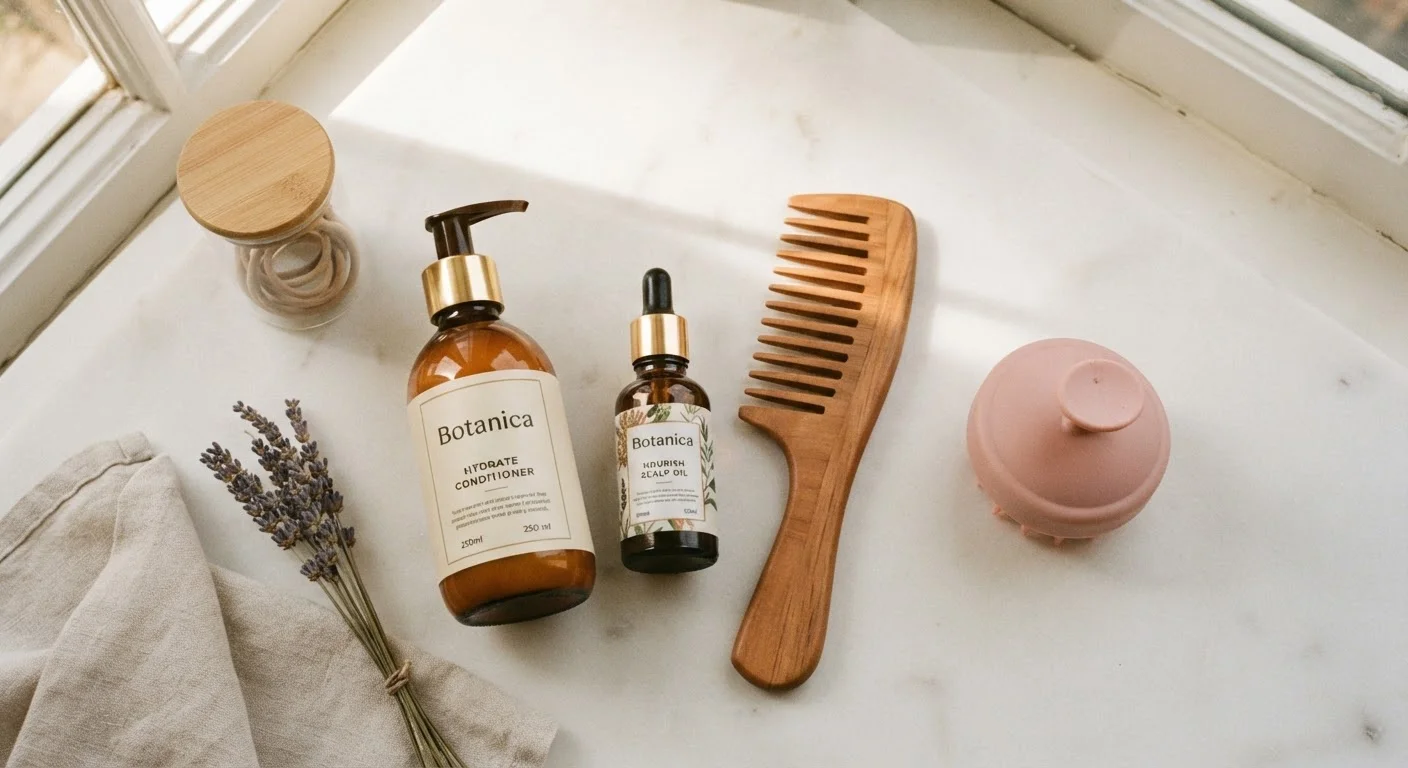
Photo: ConfiReads.com | Blogs For Inquisitive Minds editorial
Key Takeaways
- Scalp health is the starting point of any effective hair care routine.
- Hair needs both moisture and protein - too much of either causes damage.
- Wash frequency should match your scalp type, not a universal rule.
- Heat protectant is non-negotiable before any thermal styling tool.
- Understanding hair porosity helps you choose products that actually perform.
Why a Holistic Hair Care Approach Matters
Great hair rarely happens by accident - it's the result of understanding what your strands actually need and giving them that consistently. Yet most routines focus narrowly on one thing: a new shampoo, a trendy mask, or the latest styling tool. What they miss is the bigger picture.
Healthy hair is an ecosystem. The scalp, the hair shaft, the moisture-protein ratio, and styling practices all interact. Neglect one and the others suffer. Greasy roots and dry ends? That's often a scalp-moisture mismatch. Breakage despite deep conditioning? Protein imbalance is a likely culprit. This guide covers each layer of that ecosystem so you can build a routine that makes sense for your hair - not someone else's.
Just like knowing your skin type changes your skincare approach, understanding your hair's specific characteristics unlocks smarter, more targeted care.
Scalp Health: The Foundation Everything Grows From
Your scalp is skin - and it deserves the same thoughtful attention you give your face. It produces sebum (natural oil) that travels down the hair shaft, provides lubrication, and influences how your ends feel. An unhealthy scalp can contribute to excess shedding, flakiness, itchiness, and sluggish growth.
Common Scalp Concerns
- Oily scalp: Overactive sebaceous glands produce excess oil, often worsened by overwashing (which strips oil and triggers more production) or product buildup.
- Dry/flaky scalp: Can stem from low humidity, harsh sulfates, or conditions like seborrheic dermatitis. True dandruff is caused by a yeast-like fungus and may need medicated treatment - consult a dermatologist if flaking persists.
- Product buildup: Silicones, heavy butters, and dry shampoo residue can clog follicles over time. A clarifying shampoo used monthly helps reset the scalp.
Scalp Massage: A Simple Habit With Real Benefits
Regular scalp massage - even just 3-5 minutes during shampooing - can improve circulation to hair follicles. Some small studies suggest consistent massage may support hair thickness over time, though larger research is still developing. It's low-risk, costs nothing, and feels great.
Invest in a quality scalp massager - the kind with soft silicone bristles. Use it during your shampoo session to physically break up buildup and stimulate blood flow far more effectively than fingertips alone.
Before adding a new product to your routine, do a simple wet-strand stretch test: if a wet strand stretches far before breaking, you need protein; if it snaps almost immediately, you need moisture.
The Moisture-Protein Balance Explained
Hair is primarily made of a protein called keratin. It also needs water (moisture) to stay flexible and elastic. The balance between the two is critical: too much moisture without enough protein leads to mushy, overly stretchy hair that snaps; too much protein without moisture creates brittle, stiff strands that break with little force.
~90%
Hair shaft composition that is keratin protein
According to hair biology research, keratin makes up approximately 90% of the hair fiber's structure, underscoring why protein balance matters in care routines.
320°F
Temperature at which heat damage to hair begins
Hair science literature indicates structural degradation starts around 320°F (160°C), well within the range of standard styling tools.
Signs of Moisture Overload
- Hair feels gummy or limp when wet
- Strands stretch excessively and don't spring back
- Styles fall flat quickly
Signs of Protein Overload
- Hair feels straw-like or stiff even when conditioned
- Unusual brittleness and snapping
- No improvement from deep conditioning treatments
The fix is recalibration, not elimination. If you suspect protein overload, ease up on protein-rich masks and focus on humectant-heavy conditioners (look for glycerin, aloe vera, and hyaluronic acid). If moisture overload is the issue, a light protein treatment - eggs, rice water rinse, or a keratin-enriched conditioner - can restore structure.
Your hair's porosity level is deeply tied to how it handles moisture and protein - high-porosity hair tends to lose both quickly, while low-porosity hair resists absorption altogether.
Don't Overdo Protein Treatments
Building a Wash Routine That Works
The "wash every day" rule is outdated - and so is the idea that going weeks between washes is always healthier. The right frequency depends on your scalp type, activity level, and hair texture.
General Guidelines by Scalp Type
- Oily scalp: Every 1-3 days, using a gentle sulfate-free or clarifying formula at the roots.
- Normal scalp: Every 3-5 days works well for most people.
- Dry or coily/curly hair: Weekly to bi-weekly washing is common; co-washing (conditioner-only cleansing) between shampoo sessions helps retain moisture.
Technique Matters as Much as Product
Apply shampoo primarily to the scalp, not the lengths - ends don't produce oil and over-shampooing them accelerates dryness and frizz. Rinse with cool or lukewarm water (hot water raises the cuticle, causing frizz and moisture loss). Follow with conditioner from mid-shaft to ends, leaving it on for at least 2-3 minutes before rinsing.
Try a Pre-Shampoo Oil Treatment
Heat Protection and Styling Fundamentals
Thermal styling - blow drying, flat ironing, curling - can be part of a healthy hair routine when done with the right precautions. The biggest mistake people make isn't using heat; it's skipping the protection.
Why Heat Protectant Is Non-Negotiable
Hair begins to show heat-induced structural changes around 320°F (160°C). Most flat irons and curling wands reach 350-450°F. Heat protectant sprays and creams create a barrier that slows moisture loss and reduces direct thermal damage. Apply to damp or dry hair before any heat tool, every single time.
Smarter Styling Habits
- Use the lowest effective temperature: Fine or chemically treated hair needs lower heat than thick, coarse strands.
- Limit passes: Multiple passes over the same section compounds damage. Section hair thoroughly so one slow pass does the job.
- Air-dry first: Rough blow-drying soaking wet hair causes more mechanical and thermal damage than starting on 70-80% dry hair.
- Protective styles: Braids, twists, and updos reduce daily manipulation and exposure to environmental stressors - a smart reset for over-processed hair.
“Heat styling isn't inherently damaging - it's unprotected heat styling that causes the real harm. The goal is always to minimize thermal stress, not necessarily to eliminate heat altogether.”
— Yolanda Evans, Board-certified dermatologist and hair specialist
Putting It All Together
Building a routine that covers scalp, moisture, protein, and styling doesn't mean buying a shelf full of products - it means being intentional about what you use and why. Start with a clean, healthy scalp. Assess your hair's needs week to week (it shifts with seasons, stress, and diet). Rebalance moisture and protein as needed rather than sticking rigidly to one type of product.
Think of your hair routine the way you'd think of any other self-care practice: it's cumulative, not instantaneous. Consistency with the basics - gentle cleansing, smart conditioning, heat protection, minimal manipulation - will outperform the most expensive one-time treatment every time.
What you eat also plays a role: nutrients like biotin, zinc, iron, and omega-3 fatty acids support hair structure from the inside out. Our nutrients quick-reference glossary breaks down these terms in plain language if you want to explore the diet connection further.
Hair Porosity Guide
Understanding whether your hair is low, medium, or high porosity fundamentally changes which products will work for you. Our dedicated guide walks through the science and practical product choices.
American Academy of Dermatology - Hair Loss Resource Center
The AAD provides peer-reviewed, dermatologist-approved guidance on hair and scalp conditions, from dandruff to traction alopecia, free of charge.
Nutrients & Hair Health Glossary
A plain-language breakdown of the vitamins and minerals most closely linked to hair health - including biotin, iron, and zinc - with context on what the research actually supports.
This article is for general informational and educational purposes only. If you are experiencing significant hair loss, scalp pain, or persistent scalp conditions, consult a licensed dermatologist or healthcare professional.
The content on this site is for informational purposes only and is not a substitute for professional advice. Always consult a qualified professional for guidance specific to your situation.