
Skin Types Explained: Why Knowing Yours Changes Everything

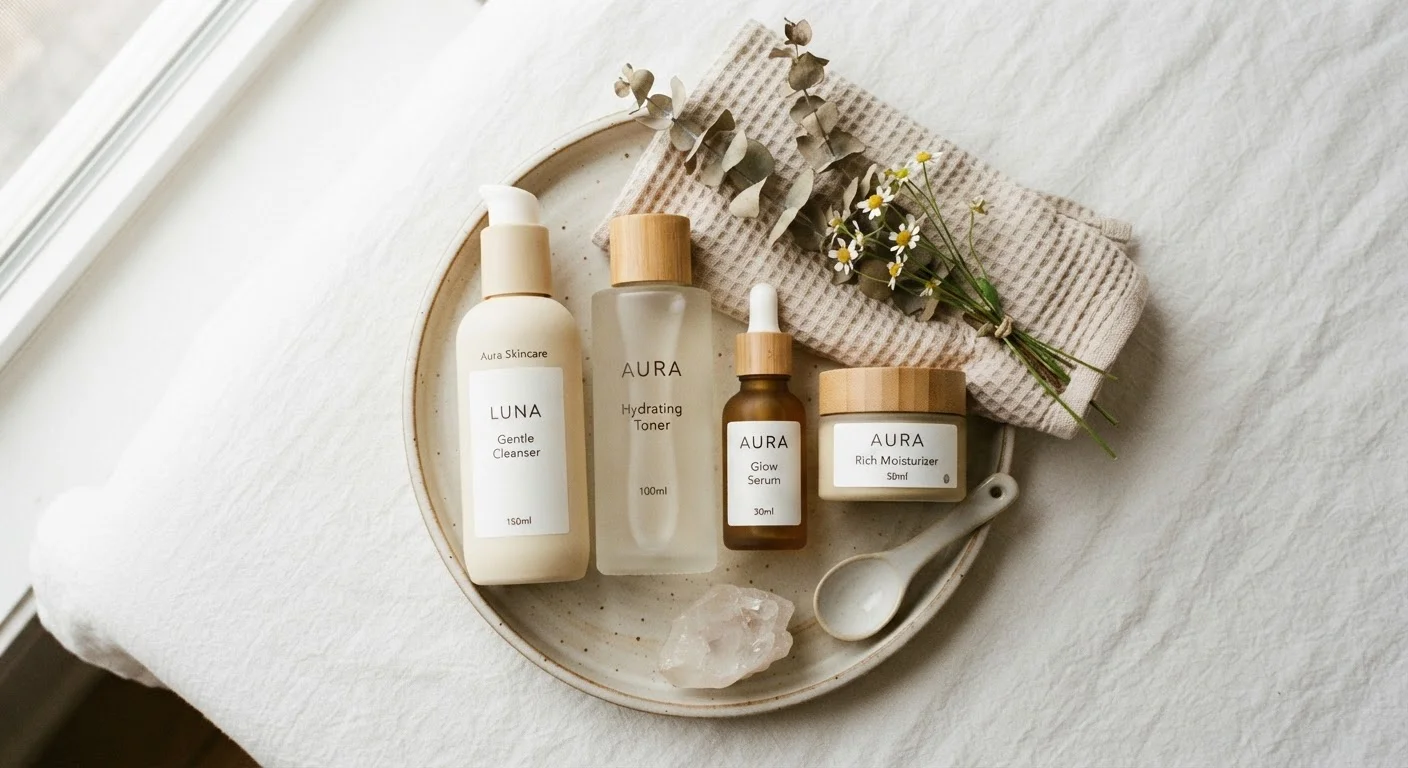
Photo: ConfiReads.com | Blogs For Inquisitive Minds editorial
Key Takeaways
- There are four primary skin types: oily, dry, combination, and sensitive.
- Misidentifying your skin type can lead to products that worsen your concerns rather than address them.
- Skin type can change over time due to hormones, age, and environmental factors.
- A simple at-home test can help you identify your skin type in minutes.
- Knowing your skin type is the essential first step before building any skincare routine.
The Four Main Skin Types - And What Sets Each Apart
Walk down any skincare aisle and you'll see labels promising solutions for every concern - but those solutions only work when you start with the right foundation. That foundation is understanding your skin type.
Oily skin produces excess sebum, leaving skin with a noticeable shine - often by midday. Enlarged pores and a tendency toward breakouts are common companions. The upside? Oily skin tends to show signs of aging more slowly than dry skin.
Dry skin produces less sebum than needed, which means it can feel tight, rough, or flaky - especially after cleansing. It may appear dull and be more prone to visible fine lines. Dry skin often craves richer, more occlusive moisturizers to maintain a healthy barrier.
Combination skin is exactly what it sounds like: oily in some areas (typically the T-zone - forehead, nose, and chin) and dry or normal in others (usually the cheeks). This is actually the most common skin type and often requires a tailored, zone-specific approach to product application.
Sensitive skin isn't about oil levels - it's about reactivity. Sensitive skin flushes, stings, or breaks out easily in response to products, temperature changes, or stress. It often co-exists with other types and may signal an underlying condition like rosacea or eczema, so persistent sensitivity is worth discussing with a dermatologist.
Skin Type vs. Skin Condition: Know the Difference
How to Identify Your Skin Type Right Now
You don't need a dermatologist's appointment to get a solid read on your skin type. The bare-face test is a reliable starting point: cleanse with a gentle, fragrance-free cleanser, pat dry, and resist applying anything for about an hour. Then examine your skin in natural light.
- Tight, flaky, or dull? You're likely dry.
- Shiny all over, especially through the nose and forehead? Oily is probable.
- Shiny in the T-zone but normal or tight on the cheeks? Classic combination.
- Redness, itching, or an uncomfortable sensation after cleansing? Sensitive skin is a strong candidate.
Another quick method is the blotting paper test: press a clean sheet of blotting paper to different areas of your face mid-afternoon. Heavy oil absorption across the entire face points to oily skin; little to no oil suggests dry; oil only from the T-zone indicates combination.
Keep in mind that skin behavior can vary season to season - your skin may run drier in winter and oilier in summer, so testing during different times of year gives a fuller picture.
Test Your Skin at the Right Time
Why Getting This Right Matters More Than Any Product
Here's the real issue with skipping skin-type identification: you end up chasing symptoms rather than causes. Someone with oily skin who mistakenly uses heavy creams designed for dry skin may experience more clogged pores and breakouts - then blame the breakouts on other factors. Someone with dry skin who reaches for astringent, alcohol-heavy toners strips what little moisture remains, creating a frustrating cycle of tightness and irritation.
Matching your products to your skin type isn't just a nice-to-have - it's the difference between a routine that genuinely helps and one that quietly makes things worse. This is why knowing your type is the recommended first step before building a skincare routine from the ground up.
It's also worth noting that skin type is distinct from skin conditions like hyperpigmentation, acne, or dehydration - which can affect any skin type and are addressed separately. And just as skin typing unlocks smarter product choices for your face, understanding hair porosity does the same for your hair care routine.
~50%
Of people report having combination skin
Combination skin is widely considered the most common skin type among adults, according to dermatology references cited in consumer skin health literature.
60-70%
Of women self-report sensitive skin
Research published in dermatology journals has found self-reported sensitive skin to be highly prevalent, though clinical definitions of the condition vary considerably.
If you've ever wondered whether common skincare advice actually holds up to scrutiny, it's worth checking out what dermatologists say about popular skincare myths - some of the most widespread beliefs contradict how skin actually works.
This article is for general informational and educational purposes only and is not a substitute for professional dermatological or medical advice. If you have persistent skin concerns, consult a licensed dermatologist or healthcare provider.
Frequently Asked Questions
The content on this site is for informational purposes only and is not a substitute for professional advice. Always consult a qualified professional for guidance specific to your situation.