
Hair Porosity: The Characteristic That Determines How Products Actually Perform

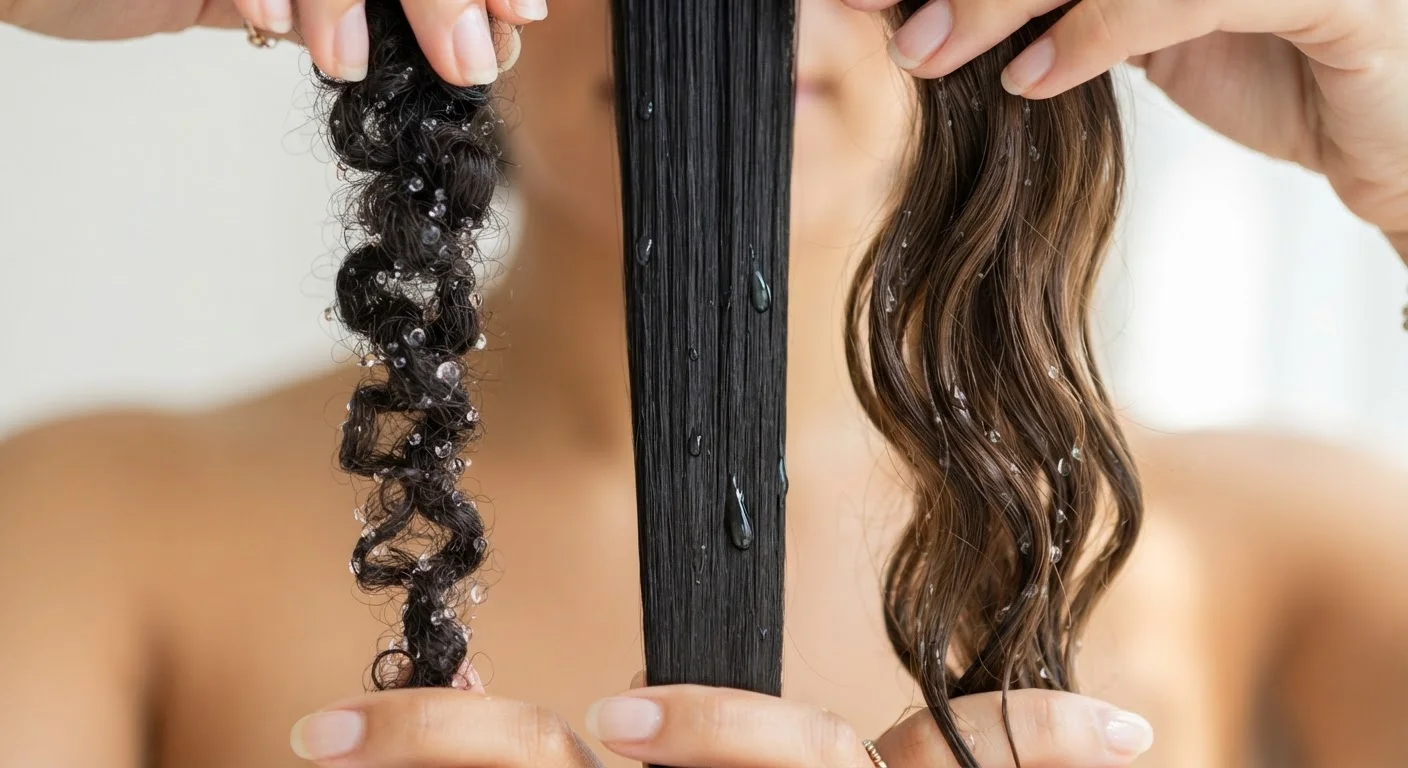
Photo: ConfiReads.com | Blogs For Inquisitive Minds editorial
Key Takeaways
- Hair porosity is low, medium, or high - and each type needs a different moisture strategy.
- Genetics, heat styling, chemical treatments, and UV exposure all influence your porosity level.
- Low porosity hair resists product absorption; heat can help open the cuticle temporarily.
- High porosity hair absorbs quickly but loses moisture fast - heavier sealants help lock it in.
- Identifying your porosity makes product selection less trial-and-error and more intentional.
- Porosity can change over time, especially with chemical processing or repeated heat use.
Why Porosity Is the Missing Piece in Your Hair Care Routine
You've probably bought a conditioner with rave reviews, used it religiously, and wondered why your hair still felt dry, stiff, or weighed down. Porosity is almost certainly part of the answer. Without knowing your porosity level, product shopping is largely guesswork - you're choosing formulas designed for a hair characteristic you haven't identified yet.
Think of porosity as the gatekeeping system of your hair strand. When cuticles lie flat and tight, very little gets in - or out. When they're raised or damaged, everything floods in and drains right back out. Medium porosity sits in the sweet spot, accepting and holding moisture with relative ease.
Just as understanding your skin type transforms your skincare routine (learn how skin types shape product choices), knowing your hair porosity is the foundational step toward a routine that actually delivers results.
~60%
Women who say hair care products disappoint them
Consumer surveys on beauty product satisfaction consistently find a majority of buyers feel their hair products underdeliver - often linked to a mismatch between product formulation and hair characteristics like porosity.
3 Layers
Structural layers of a single hair strand
Each strand is made up of the medulla (core), cortex (bulk of the fiber), and cuticle (outer protective layer) - porosity is entirely a cuticle-level characteristic.
Up to 30%
Increase in porosity after chemical bleaching
Hair science research indicates that bleaching can significantly raise porosity by disrupting the cuticle and cortex, making post-treatment moisture retention a top concern.
Breaking Down Each Porosity Level
Low Porosity
Low porosity hair has cuticles that lie nearly flat and overlap tightly. Water and products bead on the surface before slowly - sometimes barely - absorbing. The upside? Once moisture is inside the shaft, it stays there. The challenge is getting it in. Heavy creams and oils tend to sit on top, causing buildup.
Best approach: Use lightweight, water-based products. Apply to soaking-wet hair to exploit the small window when the cuticle is slightly more receptive. Gentle heat during conditioning (a warm towel wrap or steamer) temporarily lifts the cuticle to let product penetrate.
Medium Porosity
The cuticle layer is slightly raised, accepting moisture without letting it escape too quickly. Hair tends to hold styles well, responds predictably to color, and requires the least specialized care. The main watch-out is avoiding over-processing, which can push medium toward high porosity over time.
High Porosity
Gaps and damage in the cuticle - often from bleaching, heat, or environmental stressors - mean hair absorbs moisture rapidly but releases it just as fast. Hair may feel dry, frizzy, or brittle despite heavy conditioning. The fix is focused on sealing: layering products from lightest to heaviest and finishing with an oil or butter to slow moisture loss.
What Causes Your Porosity Level
Some of your porosity is inherited - the natural structure of your hair fiber is largely genetic. But a significant portion is acquired through the way you treat your hair over time.
- Chemical processing: Bleach, hair dye, relaxers, and perms all alter the cuticle structure, typically increasing porosity.
- Heat styling: Repeated high-heat use without adequate protection gradually lifts and weakens the cuticle.
- UV exposure: Sun damage degrades the outer protein layer of the hair shaft, contributing to raised porosity.
- Mechanical damage: Aggressive brushing, tight elastics, and rough towel-drying physically disrupt the cuticle.
This is why porosity isn't fixed for life - it shifts as your hair history accumulates. For a deeper look at how moisture, protein, and scalp care all connect, see our guide to the full spectrum of hair care.
Try the Spray Bottle Test
Putting It Into Practice
Once you've identified your porosity, the next step is auditing the products already in your routine. Swap heavy butters and oils out of a low porosity routine in favor of humectant-rich, water-based leave-ins. Add protein treatments and sealing products to a high porosity routine - but space them out, since too much protein can cause breakage over time.
Also pay attention to how your hair responds after wash day: does it dry quickly or slowly? Does it feel moisturized by day two or bone dry? These real-life signals are often more reliable than any at-home test. Your hair is always giving you feedback - porosity is just the vocabulary that helps you understand it.
“Porosity is probably the single most overlooked variable in hair care. You can have the most expensive products on the market and they'll still underperform if they're not matched to your porosity level.”
— Miko Branch, Co-founder of a natural hair care brand and industry authority on textured hair
This article is for informational and educational purposes only. Individual hair characteristics vary, and a licensed cosmetologist or trichologist can provide personalized guidance for your specific hair concerns.
Frequently Asked Questions
The content on this site is for informational purposes only and is not a substitute for professional advice. Always consult a qualified professional for guidance specific to your situation.