
Ingredient Labels 101: Reading a Beauty Product From Top to Bottom

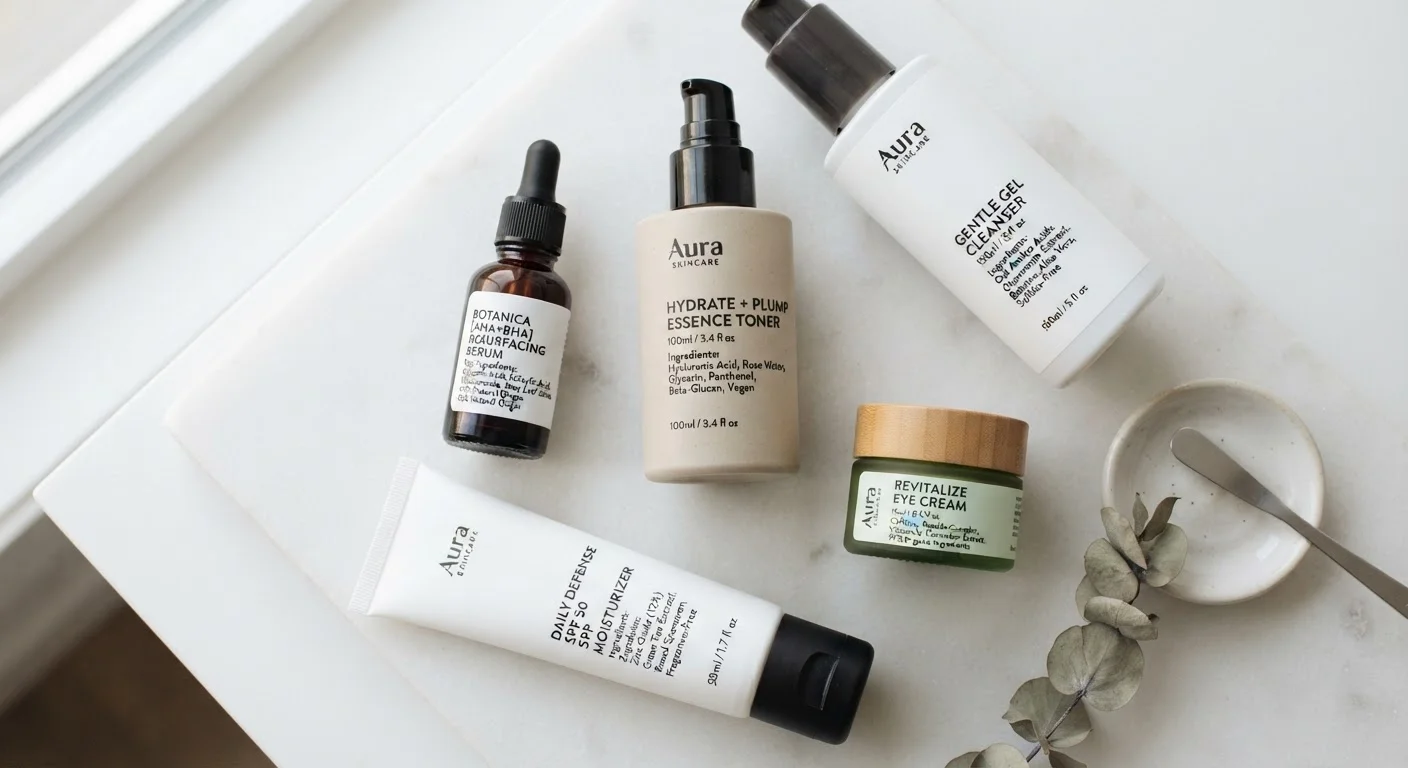
Photo: ConfiReads.com | Blogs For Inquisitive Minds editorial
Key Takeaways
- Cosmetic ingredients are listed in descending order by concentration, from highest to lowest.
- INCI names are standardized Latin or chemical terms - they look technical but follow consistent rules.
- "Fragrance" on a label can represent dozens of undisclosed individual ingredients.
- Ingredients present at 1% or below can appear in any order after the main ingredients.
- Knowing label structure helps you evaluate active ingredients before marketing claims influence your decision.
Why Ingredient Lists Look So Intimidating
Flip over almost any moisturizer, serum, or foundation and you'll find a dense column of names that look more like a chemistry exam than a beauty product. Cyclopentasiloxane. Butylene glycol. Phenoxyethanol. The good news: once you understand the system behind the list, those strings of syllables start to make real sense.
In the U.S., the FDA requires cosmetics to display ingredients using INCI names - a globally standardized naming system managed by the Personal Care Products Council. INCI names are typically the Latin botanical name (for plant-derived ingredients) or the official chemical name. That's why "water" appears as Aqua and shea butter appears as Butyrospermum Parkii Butter. The names are uniform across brands, which actually makes comparison-shopping easier once you get the hang of it.
Understanding this structure is especially useful when evaluating marketing language. Our guide on what "clean" beauty labels actually mean legally explains why front-of-pack claims like "natural" carry no legal definition - the ingredient list is often the more reliable source of truth.
What you will need
How to Read the List Step by Step
Cosmetic ingredient labels follow a specific structure governed by federal regulation. Here's how to decode them from top to bottom.
Locate the full ingredient list
Federal law requires the ingredient declaration to appear on the outer packaging (or, if there's no outer box, directly on the container). It's usually in small print on the back or bottom panel. On websites, look for a dedicated "Ingredients" tab or expandable section - the full INCI list should be there, not just marketing highlights.
Read the first five ingredients carefully
Ingredients are listed in descending order of concentration - the ingredient present in the greatest amount comes first. The first five typically account for the large majority of the formula by weight. This is where you'll find the base (water, oils, silicones, or aloe), so these entries tell you what you're mostly putting on your skin.
Identify the 1% threshold zone
Once you reach ingredients that are present at 1% or less by weight, FDA rules allow them to appear in any order. This zone typically begins somewhere after preservatives like phenoxyethanol or sodium benzoate, and it's where you'll find most active botanicals, peptides, vitamins (like tocopherol for vitamin E), and colorants. Brands are not required to mark where this threshold begins, so look for the preservatives as a rough landmark.
Flag preservatives and check for sensitivities
Preservatives keep products safe by preventing bacterial and mold growth - they're necessary and generally well-tested. Common ones include phenoxyethanol, ethylhexylglycerin, sodium benzoate, and various parabens. If you have known sensitivities to specific preservatives, scanning this section of the list helps you avoid them before purchasing.
Note colorants and fragrance at the end
Colorants (for cosmetics that aren't drugs) may appear in any order at the end of the list and are often cited by their CI number (e.g., CI 77891 is titanium dioxide). Fragrance or Parfum also typically appears near the end. As noted above, this single entry may represent many undisclosed compounds - a key consideration for anyone managing skin sensitivity or allergies.
Use a Reference Database When in Doubt
Common Tricky Terms and What They Signal
Even with the ordering rules in hand, a few label conventions trip people up regularly.
Fragrance (or Parfum)
This single word can legally represent a proprietary blend of dozens - sometimes hundreds - of individual aromatic compounds. Manufacturers are not required to disclose the components of a fragrance blend. If you have sensitive skin or a history of reactions, fragrance is worth flagging. For a deeper look, our piece on fragrance in skincare walks through both the appeal and the potential skin costs.
Active vs. Inactive Ingredients
Products regulated as over-the-counter drugs - sunscreens, acne treatments, dandruff shampoos - are required to list active ingredients separately at the top of the label, with their percentage concentrations stated. Inactive ingredients follow in standard INCI concentration order. If you're comparing SPF products, our plain-English sunscreen label guide breaks down how to read those active declarations alongside ratings like broad-spectrum and PA+.
Water-First Formulas
Aqua sitting at the very top of the list is a neutral sign - water is the base of most emulsions and has no negative connotation. What matters more is what follows immediately after it, since those next several ingredients typically make up the bulk of the formula.
Curious how ingredient quality stacks up across price points? Our drugstore vs. department store comparison looks at where formulation differences are real and where the gap is mostly packaging.
Labels Don't Reflect Individual Skin Reactions
The content on this site is for informational purposes only and is not a substitute for professional advice. Always consult a qualified professional for guidance specific to your situation.