
SPF Numbers and Sunscreen Labels: A Plain-English Reference

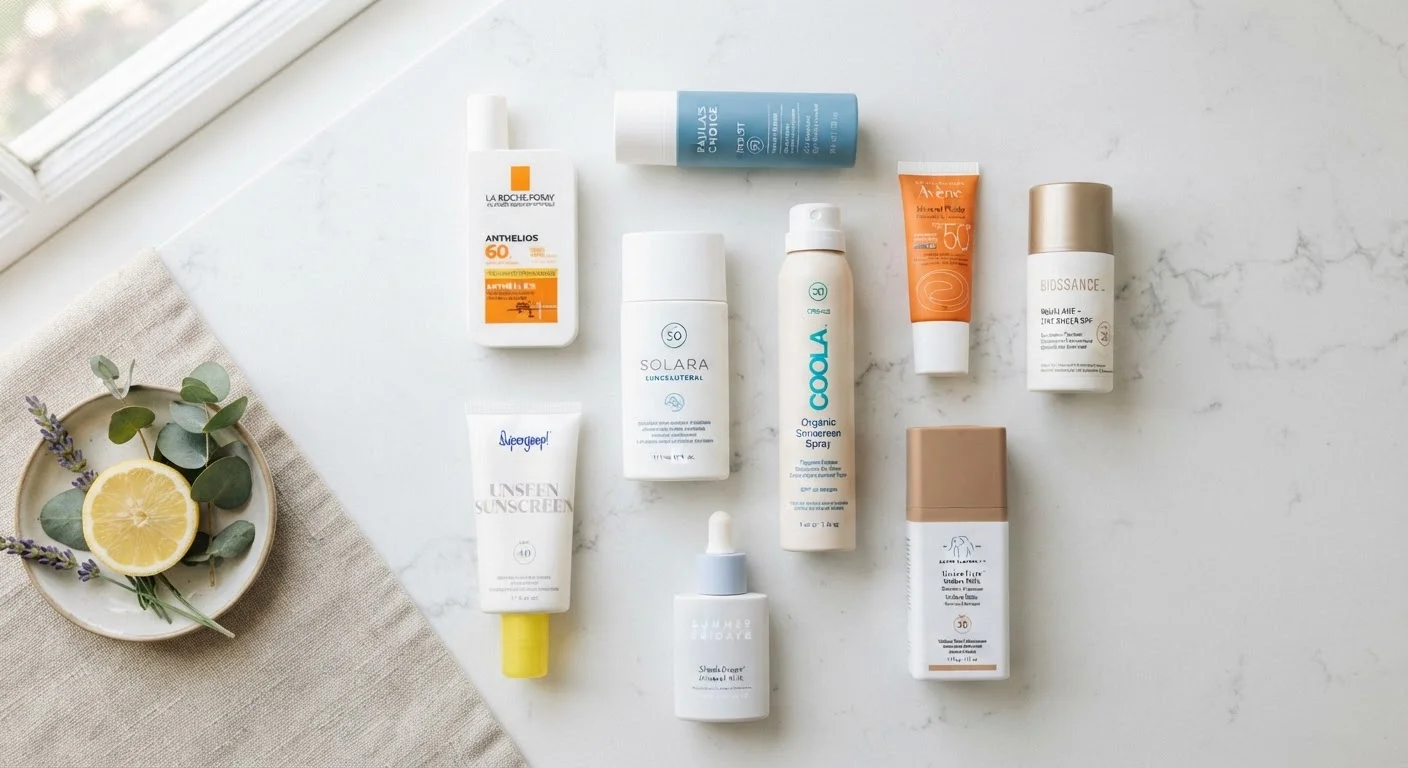
Photo: ConfiReads.com | Blogs For Inquisitive Minds editorial
What SPF Actually Measures
SPF stands for Sun Protection Factor, and it measures how well a sunscreen filters UVB rays - the type primarily responsible for sunburn and a key contributor to skin cancer risk. The number itself represents a ratio, not a time limit. SPF 30 filters roughly 97% of UVB rays; SPF 50 filters about 98%; SPF 100 filters about 99%. The differences sound small, but they matter more if you have fair or sensitive skin, are at high altitude, or spend extended time outdoors.
No sunscreen blocks 100% of UV radiation. Dermatologists and the American Academy of Dermatology generally recommend SPF 30 as a daily minimum for most people, with SPF 50 or higher for prolonged sun exposure, water activities, or those with heightened photosensitivity.
| SPF 30 UVB filtration | ~97% (American Academy of Dermatology) |
| SPF 50 UVB filtration | ~98% (American Academy of Dermatology) |
| Minimum recommended daily SPF | SPF 30 (American Academy of Dermatology) |
| Reapplication interval (active outdoor use) | Every 2 hours (FDA sunscreen guidelines) |
| Estimated application amount for full coverage | ~1 oz (one shot glass) (Skin Cancer Foundation) |
| Water-resistance window options (FDA) | 40 or 80 minutes (FDA OTC sunscreen monograph) |
Decoding the Label: Term by Term
Sunscreen labels pack a lot of language into a small space. Here's what each phrase actually signals:
- Broad-spectrum: The product protects against both UVA rays (aging, deeper skin damage) and UVB rays (burning). The FDA requires passing a standardized test before a product can carry this claim. If a label lacks "broad-spectrum," it only guards against sunburn - not the full UV picture.
- Water-resistant (40 min / 80 min): A regulated FDA term indicating the SPF holds after 40 or 80 minutes of water exposure. No sunscreen is waterproof; reapplication is always necessary after swimming or heavy sweating.
- PA+ ratings: A UVA grading system widely used in Asian markets and increasingly visible on US products. PA+, PA++, PA+++, and PA++++ indicate progressively stronger UVA protection. More plus signs means more protection.
- Mineral vs. chemical: Mineral sunscreens use zinc oxide and/or titanium dioxide as physical UV filters; chemical sunscreens use organic compounds (like avobenzone or octinoxate) that absorb UV energy. Both are effective when used correctly.
- Reef-safe / reef-friendly: Not an FDA-regulated claim. It generally means the product omits oxybenzone and octinoxate, ingredients that some jurisdictions have restricted due to coral reef concerns. Always check the ingredient list if this matters to you.
For a deeper look at how cosmetic ingredient lists are structured, see our guide to reading beauty product labels.
SPF (Sun Protection Factor)
A measure of how effectively a sunscreen filters UVB radiation. SPF 30 blocks roughly 97% of UVB rays; higher numbers offer incrementally more protection, but no sunscreen blocks 100%.
Broad-Spectrum
An FDA-regulated label claim indicating a sunscreen protects against both UVA and UVB rays. Products without this designation only address UVB (sunburn) protection.
UVA / UVB
Two types of ultraviolet radiation from the sun. UVB causes sunburn and contributes to skin cancer; UVA penetrates more deeply, contributing to premature aging and also to cancer risk.
PA Rating
A UVA protection grading system (PA+ through PA++++) common in Asian markets and increasingly used globally. More plus signs indicate stronger UVA protection.
Mineral Sunscreen
A sunscreen formulated with zinc oxide and/or titanium dioxide, which physically reflect or scatter UV rays. Often recommended for sensitive skin and young children.
Chemical Sunscreen
A sunscreen that uses organic chemical compounds (such as avobenzone or octinoxate) to absorb UV radiation and convert it to heat. Generally lighter in texture than mineral formulas.
Water-Resistant
An FDA-regulated term indicating a sunscreen maintains its labeled SPF for either 40 or 80 minutes of water exposure. Reapplication after swimming or sweating is still required.
Reef-Safe
An unregulated marketing term generally meaning a product omits oxybenzone and octinoxate, which some research links to coral reef damage. Check the ingredient list to verify.
Applying and Reapplying: The Basics
The most protective sunscreen is one that's applied correctly - and consistently. Most adults need about one ounce (roughly a shot-glass worth) to cover exposed skin fully. Applying too little dramatically reduces effective protection, sometimes cutting the actual SPF by half or more.
Reapplication every two hours is a general guideline for active outdoor use; after water exposure or towel-drying, reapply immediately regardless of timing. For daily incidental sun exposure - commuting, running errands - a morning application of a broad-spectrum SPF 30 moisturizer or foundation-primer hybrid is a reasonable starting point, but it's not a substitute for dedicated sunscreen during prolonged outdoor time.
97%
UVB rays blocked by SPF 30
According to the American Academy of Dermatology, SPF 30 filters approximately 97% of UVB radiation under proper application conditions.
50%+
Reduction in effective SPF from under-application
Research suggests that applying half the recommended amount of sunscreen can reduce effective protection to as little as the square root of the stated SPF.
This article is for general informational and educational purposes only and is not a substitute for professional medical or dermatological advice. Consult a qualified healthcare provider with any questions about skin health or sun protection appropriate for your individual needs.
The content on this site is for informational purposes only and is not a substitute for professional advice. Always consult a qualified professional for guidance specific to your situation.