
Inclusive Beauty Fundamentals: Shade Matching, Texture, and Formulas Across Skin Tones

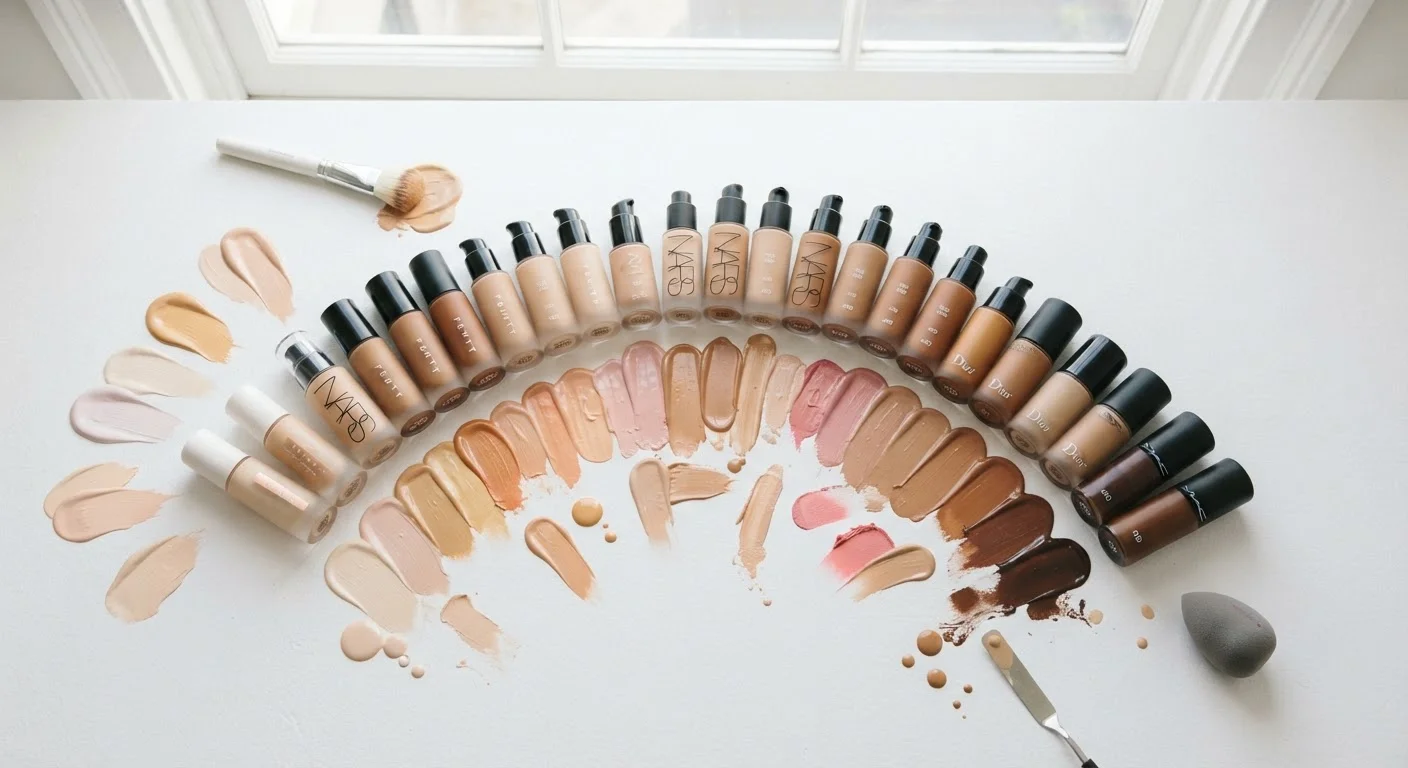
Photo: ConfiReads.com | Blogs For Inquisitive Minds editorial
Key Takeaways
- Undertone - warm, cool, or neutral - matters more than skin depth when shade-matching foundation.
- Texture and finish should align with your skin type, not just current trends.
- Testing shades on the jawline in natural light gives the most accurate color read.
- Complexion products formulated for your skin type perform better and last longer.
- Shade range and undertone variety are the clearest signs of a genuinely inclusive product line.
Why Inclusive Shade Matching Is a Skill - Not a Lottery
For too long, the beauty industry treated shade ranges as an afterthought, leaving many consumers - especially those with deeper complexions or less common undertones - to make do with ill-fitting products. That's changed significantly, but navigating a 50-shade foundation range can still feel overwhelming without a framework.
The good news: shade matching has a logic to it. Two variables do most of the work - undertone (the subtle hue beneath your skin) and depth (how light or dark your complexion reads overall). Master those two concepts, then layer in formula and finish, and you have everything you need to shop confidently across any product line.
Understanding color coordination generally - not just in makeup - can sharpen your eye. Color Coordination Without a Fashion Degree offers foundational color theory that applies well beyond your wardrobe.
What you will need
Tools, Products, and What to Look for in a Brand
Before you start testing, gather what you'll need. A genuinely inclusive brand should offer shade variety across the depth spectrum - not just a deep shade or two tacked onto an otherwise light-skewed range - and should provide meaningful undertone options at every depth level.
Foundation or concealer samples
Allows you to test multiple shades and undertones against your actual skin before committing to a full-size purchase.
White or grey hand mirror
A neutral-backed mirror reduces color distortion when evaluating how a shade blends into your complexion.
Color-correcting primer
Neutralizes specific undertone imbalances - like redness or ashiness - before foundation is applied.
When evaluating whether a product line is worth your time, check that shades are described with undertone information (warm, cool, neutral, or olive) in addition to a depth number or name. Brands that only label depth aren't giving you enough to go on.
Also worth knowing: price doesn't always predict performance. Drugstore vs. Department Store Beauty Products breaks down where budget options hold their own and where the investment may be justified.
Step-by-Step: Finding Your Match
Identify your undertone
Undertone is the subtle hue beneath your skin's surface, and it stays consistent regardless of tanning or seasonal changes. There are three categories:
- Warm: golden, peachy, or yellow hues - veins may appear greenish
- Cool: pink, red, or bluish hues - veins often look blue or purple
- Neutral: a balanced mix of warm and cool - veins appear blue-green
You can also check how your skin reacts to gold vs. silver jewelry: gold tends to flatter warm undertones, silver suits cool ones, and neutral undertones can wear both comfortably.
Determine your depth (light to deep)
Depth refers to how light or dark your complexion reads overall. Most brands use a numbering or naming system (e.g., 110, 220, or Fair/Light/Medium/Tan/Deep/Rich). When browsing shades, start by finding a rough depth category, then narrow by undertone within that range. A warm medium complexion and a cool medium complexion are very different shades - depth alone won't get you there.
Test shades on your jawline
Apply two or three candidate shades as stripes along your jawline - the area where your face meets your neck. Step into natural light and wait two to three minutes for the formula to oxidize (some foundations deepen slightly). The shade that disappears into your skin with no visible edge is your match. Avoid testing on your inner wrist or forearm, as those areas rarely reflect your facial complexion accurately.
Match formula to your skin type
Once you have the right shade, formula selection determines how your base actually wears. A quick guide:
- Oily skin: oil-free, water-based, or matte formulas help control shine and extend wear
- Dry skin: hydrating, serum, or dewy-finish foundations prevent caking and flakiness
- Combination skin: satin or natural-finish formulas balance without over-mattifying or accentuating oily zones
- Sensitive skin: fragrance-free, mineral, or minimal-ingredient formulas reduce the risk of irritation
If you're unsure about your skin type, our guide Skin Types Explained breaks down every category clearly.
Choose your finish and coverage level
Finish (matte, satin, dewy) and coverage (sheer, medium, full) are separate variables - you can have a full-coverage dewy foundation or a sheer matte tint. Think about what you actually want your skin to look like, not what a trend dictates. For a deeper breakdown of base product types, Tinted Moisturizer vs. Foundation vs. BB Cream walks you through every option side by side.
Shopping Online Without Testers
Once you've nailed your base, the next logical step is application sequence. The Makeup Order Most People Get Wrong explains how the order you layer products affects how everything wears throughout the day. And if you're building a kit from scratch, Starting a Makeup Collection Without Overwhelming Yourself offers a beginner-friendly checklist of what to prioritize first.
The content on this site is for informational purposes only and is not a substitute for professional advice. Always consult a qualified professional for guidance specific to your situation.