
The Makeup Order Most People Get Wrong

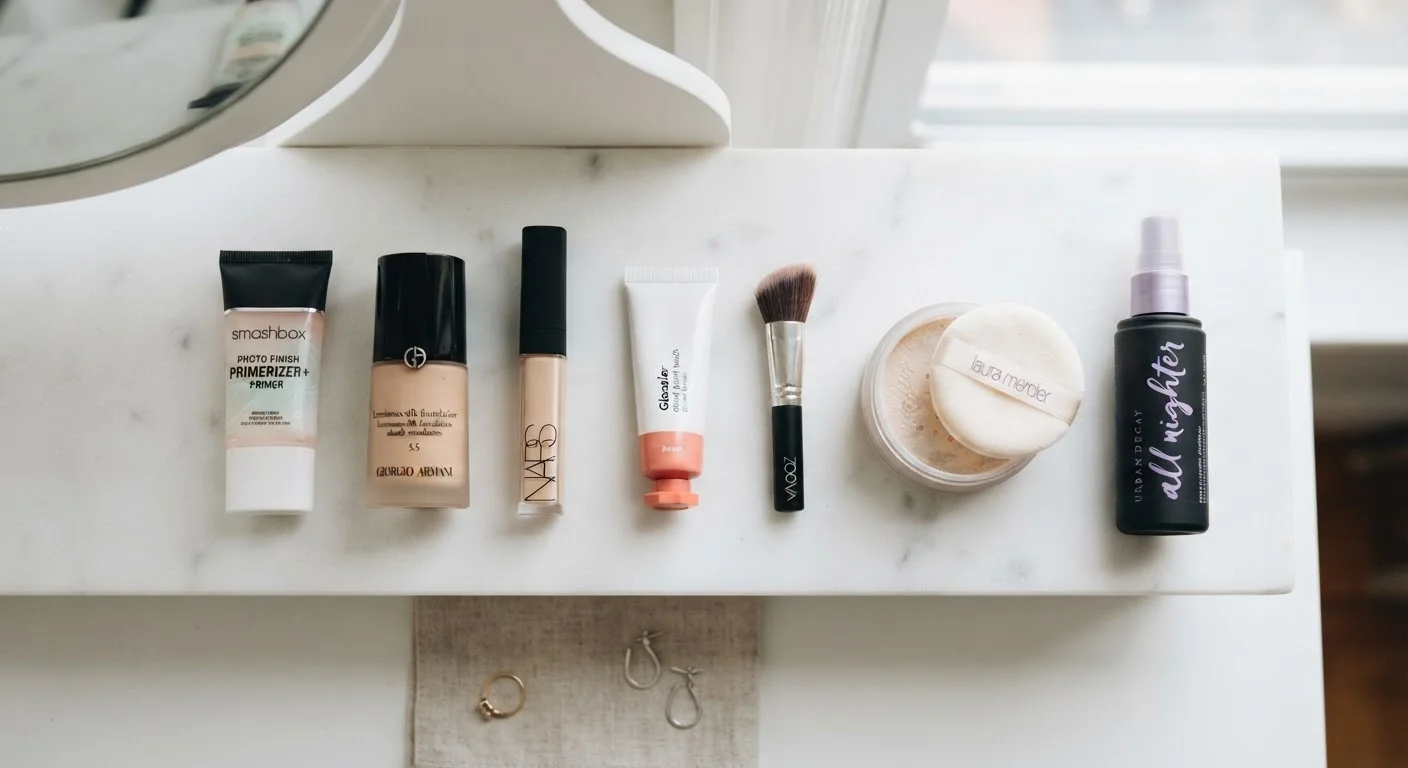
Photo: ConfiReads.com | Blogs For Inquisitive Minds editorial
Key Takeaways
- Makeup application order follows a logic: thin-to-thick, light-to-heavy, skin prep before color.
- Applying concealer before foundation wastes product and disrupts coverage.
- Setting powder before setting spray is the correct finishing sequence - not the reverse.
- Primer must be fully absorbed before foundation goes on, or both products underperform.
- Blush, bronzer, and highlighter belong after foundation and concealer, not before.
Why Makeup Order Actually Matters
Makeup isn't just about what you apply - it's about when. Each product in your kit is formulated to bond with or sit on top of a specific layer beneath it. Get the sequence wrong and you'll deal with pilling, patchy coverage, or a finish that fades faster than it should. The good news: there's a clear internal logic to the right order, and once you understand it, the whole routine clicks into place.
The guiding principle is simple: work from the thinnest, most skin-adjacent layers outward to the thickest, most decorative ones. Skincare first, then a primer to bridge skin and makeup, then base coverage, then color, then set. If you're still building out your skincare foundation, our ground-up skincare guide walks you through every step before makeup even enters the picture.
Applying concealer before foundation.
Not waiting for primer to absorb before applying foundation.
Applying setting spray before setting powder.
Adding blush and bronzer before concealer is fully set.
Applying eye makeup after a full face of foundation and powder.
The Correct Sequence, Step by Step
Once your skincare routine is complete and fully absorbed, here's the order that makeup artists and cosmetic chemists consistently recommend:
- Primer - applied to prepped, moisturized skin; allow it to set for at least 60 seconds
- Color-corrector (if used) - targeted neutralization before foundation
- Foundation - your base coverage layer, applied evenly across the face
- Concealer - spot-applied over foundation only where additional coverage is needed
- Contour and bronzer (powder or cream) - applied after the base is stable
- Blush and highlighter - layered on top of contour for dimension
- Eye and brow products - ideally done before foundation to prevent fallout from dusting onto a finished face
- Setting powder - locks in the base and controls shine
- Setting spray - the true final step, melding all layers together
Order Affects Wear, Not Just Aesthetics
If you're still deciding what kind of base product is right for you, our breakdown of tinted moisturizers, foundations, and BB creams explains the coverage spectrum in plain terms. And if you're just starting to build your kit, this beginner makeup checklist takes the guesswork out of what to buy first.
#1
Most-searched makeup question online
Search trend data consistently shows "what order to apply makeup" ranking among the top beauty queries across major search platforms.
60-90s
Recommended primer wait time before foundation
Professional makeup artists commonly advise allowing primer to fully grip the skin before applying foundation to prevent pilling and patchy coverage.
The content on this site is for informational purposes only and is not a substitute for professional advice. Always consult a qualified professional for guidance specific to your situation.