
Debt Consolidation: What It Actually Does (and What It Doesn't)

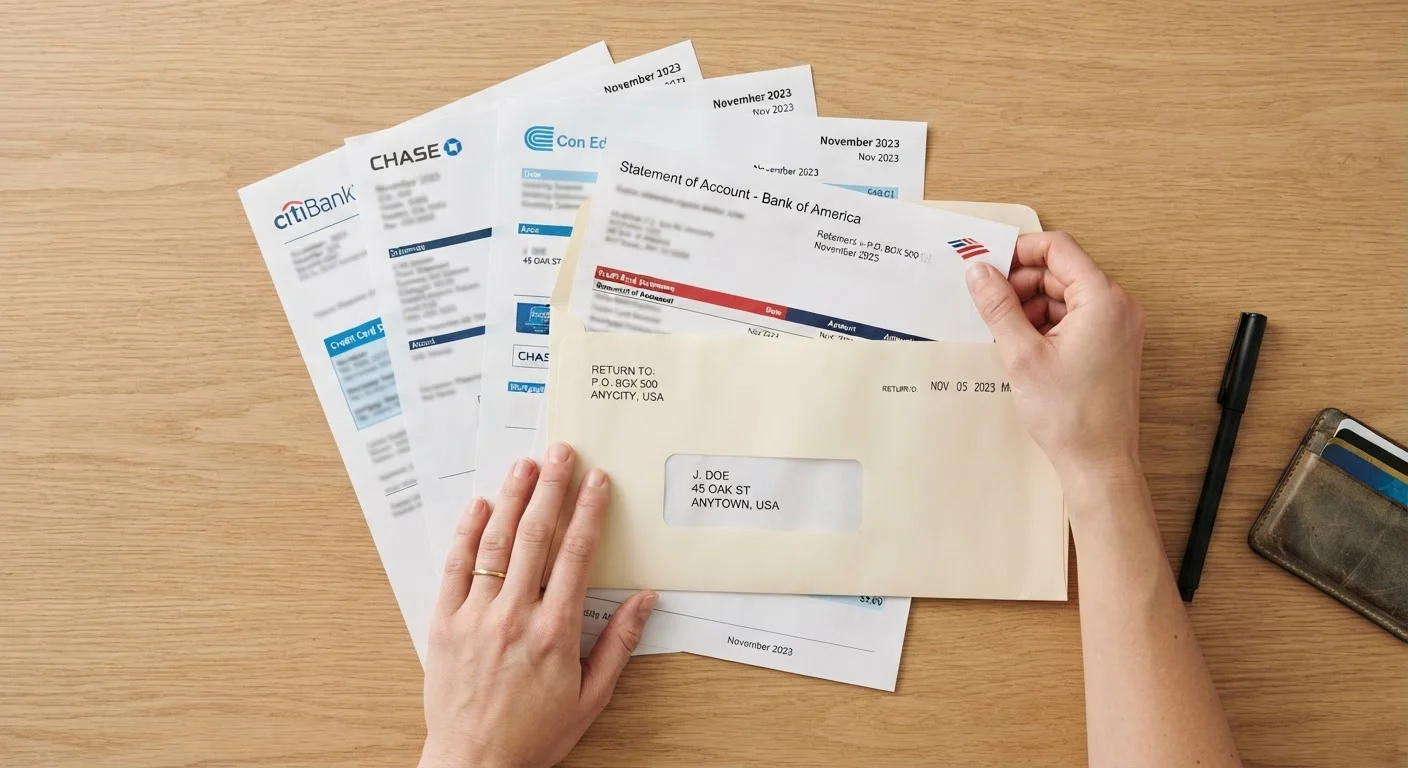
Photo: ConfiReads.com | Blogs For Inquisitive Minds editorial
Key Takeaways
- Debt consolidation combines multiple debts into a single loan or payment, ideally at a lower interest rate.
- It can simplify repayment and reduce total interest costs, but only under the right conditions.
- Consolidation does not erase debt - the balance still needs to be repaid in full.
- Your credit score, income, and spending habits all affect whether consolidation will actually help.
- Without addressing the habits that created the debt, consolidation may only delay the problem.
Potentially lower interest rate reduces total cost
Moving high-interest credit card debt - often carrying APRs of 20% or more - to a personal loan at a lower rate can meaningfully reduce the total interest paid over the life of the debt.
Simplifies repayment with one monthly payment
Managing five credit card due dates is harder than managing one. A single payment reduces the risk of missed payments and the late fees that follow.
Fixed repayment timeline creates a clear end date
Unlike revolving credit card debt, a personal loan has a defined term - typically 24 to 84 months - so borrowers know exactly when the debt will be paid off if they stay on schedule.
May improve credit utilization ratio short-term
Paying off credit card balances with a consolidation loan reduces your revolving credit utilization, which is a significant factor in credit scoring models.
Predictable monthly payment aids budgeting
A fixed-rate personal loan comes with a consistent payment amount each month, making it easier to plan household cash flow compared to variable minimum payments on multiple cards.
Does not reduce the principal balance owed
Consolidation restructures debt - it does not forgive it. Every dollar borrowed must still be repaid, plus interest, making it a tool for managing debt rather than eliminating it.
Qualification depends heavily on credit score
Borrowers with poor or damaged credit may only qualify for rates comparable to or higher than what they're already paying, making consolidation financially pointless or harmful in those cases.
Fees can offset interest savings
Origination fees on personal loans and balance transfer fees on cards add to upfront costs. On smaller balances, these fees can consume a significant portion of the projected savings.
Risk of accumulating new debt on cleared cards
Once credit card balances are paid off through consolidation, the available credit remains. Without changed spending habits, many borrowers run balances back up, effectively doubling their debt load.
Longer loan terms may increase total interest paid
Stretching repayment over a longer period to lower monthly payments often means paying substantially more in total interest, even if the rate is lower than the original cards.
Hard credit inquiry temporarily lowers credit score
Applying for a consolidation loan or balance transfer card triggers a hard inquiry, which typically reduces a credit score by a few points - a minor but real short-term effect.
What Debt Consolidation Actually Means
Debt consolidation is the process of combining multiple existing debts - typically credit card balances, medical bills, or personal loans - into a single new loan or payment. The core idea is straightforward: instead of tracking several due dates and interest rates, you manage one monthly payment, ideally at a lower annual percentage rate (APR) than you were paying before.
The two most common consolidation methods are personal loans and balance transfer credit cards. A personal loan pays off your existing balances and leaves you with a fixed monthly payment over a set term. A balance transfer card moves your existing card debt to a new card, often with a promotional 0% APR window. Some borrowers also use home equity loans or lines of credit, though those convert unsecured debt into debt secured by their home - a meaningful distinction covered in detail in our guide to secured vs. unsecured debt.
What consolidation does not do is reduce the principal you owe. The balance follows you - restructured, not forgiven.
Consolidation vs. Debt Settlement: Not the Same
The Potential Advantages
When the conditions are right, consolidation offers real, measurable benefits.
Potentially lower interest rate reduces total cost
Moving high-interest credit card debt - often carrying APRs of 20% or more - to a personal loan at a lower rate can meaningfully reduce the total interest paid over the life of the debt.
Simplifies repayment with one monthly payment
Managing five credit card due dates is harder than managing one. A single payment reduces the risk of missed payments and the late fees that follow.
Fixed repayment timeline creates a clear end date
Unlike revolving credit card debt, a personal loan has a defined term - typically 24 to 84 months - so borrowers know exactly when the debt will be paid off if they stay on schedule.
May improve credit utilization ratio short-term
Paying off credit card balances with a consolidation loan reduces your revolving credit utilization, which is a significant factor in credit scoring models.
Predictable monthly payment aids budgeting
A fixed-rate personal loan comes with a consistent payment amount each month, making it easier to plan household cash flow compared to variable minimum payments on multiple cards.
For a side-by-side look at whether a personal loan or a credit card is the better vehicle for paying off debt, see our credit card vs. personal loan comparison.
The Real Risks and Limitations
Consolidation is frequently oversold. Understanding what it cannot do is just as important as knowing what it can.
Does not reduce the principal balance owed
Consolidation restructures debt - it does not forgive it. Every dollar borrowed must still be repaid, plus interest, making it a tool for managing debt rather than eliminating it.
Qualification depends heavily on credit score
Borrowers with poor or damaged credit may only qualify for rates comparable to or higher than what they're already paying, making consolidation financially pointless or harmful in those cases.
Fees can offset interest savings
Origination fees on personal loans and balance transfer fees on cards add to upfront costs. On smaller balances, these fees can consume a significant portion of the projected savings.
Risk of accumulating new debt on cleared cards
Once credit card balances are paid off through consolidation, the available credit remains. Without changed spending habits, many borrowers run balances back up, effectively doubling their debt load.
Longer loan terms may increase total interest paid
Stretching repayment over a longer period to lower monthly payments often means paying substantially more in total interest, even if the rate is lower than the original cards.
Hard credit inquiry temporarily lowers credit score
Applying for a consolidation loan or balance transfer card triggers a hard inquiry, which typically reduces a credit score by a few points - a minor but real short-term effect.
20%+
Average credit card APR in the US
According to Federal Reserve data, average credit card interest rates have exceeded 20% APR in recent years, highlighting the cost of carrying revolving balances.
1%-8%
Typical personal loan origination fee range
Most personal loan lenders charge an origination fee deducted from the loan proceeds, which reduces the net amount received and must be factored into savings calculations.
Consolidation also isn't the only path to eliminating debt. Structured repayment approaches - paying off high-interest balances first or attacking smallest balances for momentum - are worth comparing. See debt avalanche vs. debt snowball for a clear breakdown of both methods.
Is Consolidation Right for Your Situation?
Before applying, run through a few practical checkpoints:
- Check your credit score. Lenders typically reserve the best personal loan rates for borrowers with scores of 670 or higher. If your score is lower, the rate offered may not beat what you're already paying.
- Calculate total cost, not just monthly payment. A lower monthly payment spread over a longer term can mean paying more interest overall. Use the loan's full repayment timeline, not just the monthly figure, to compare.
- Identify what created the debt. If spending patterns haven't changed, new credit card availability after consolidation often leads to fresh balances - compounding the original problem.
- Review all fees. Origination fees on personal loans (commonly 1%-8% of the loan amount) and balance transfer fees (typically 3%-5%) can reduce or eliminate projected savings.
A clear, realistic budget is an essential complement to any consolidation plan - it addresses the cash-flow side that a loan alone cannot fix. And if you're working on rebuilding credit alongside managing debt, building credit without taking on unnecessary debt outlines responsible approaches that don't require borrowing more.
This article is for general informational purposes only and does not constitute personalised financial or legal advice. Consult a licensed financial adviser or credit counsellor to evaluate options suited to your specific circumstances.
The content on this site is for informational purposes only and is not a substitute for professional advice. Always consult a qualified professional for guidance specific to your situation.