
Envelope Budgeting in the Digital Age

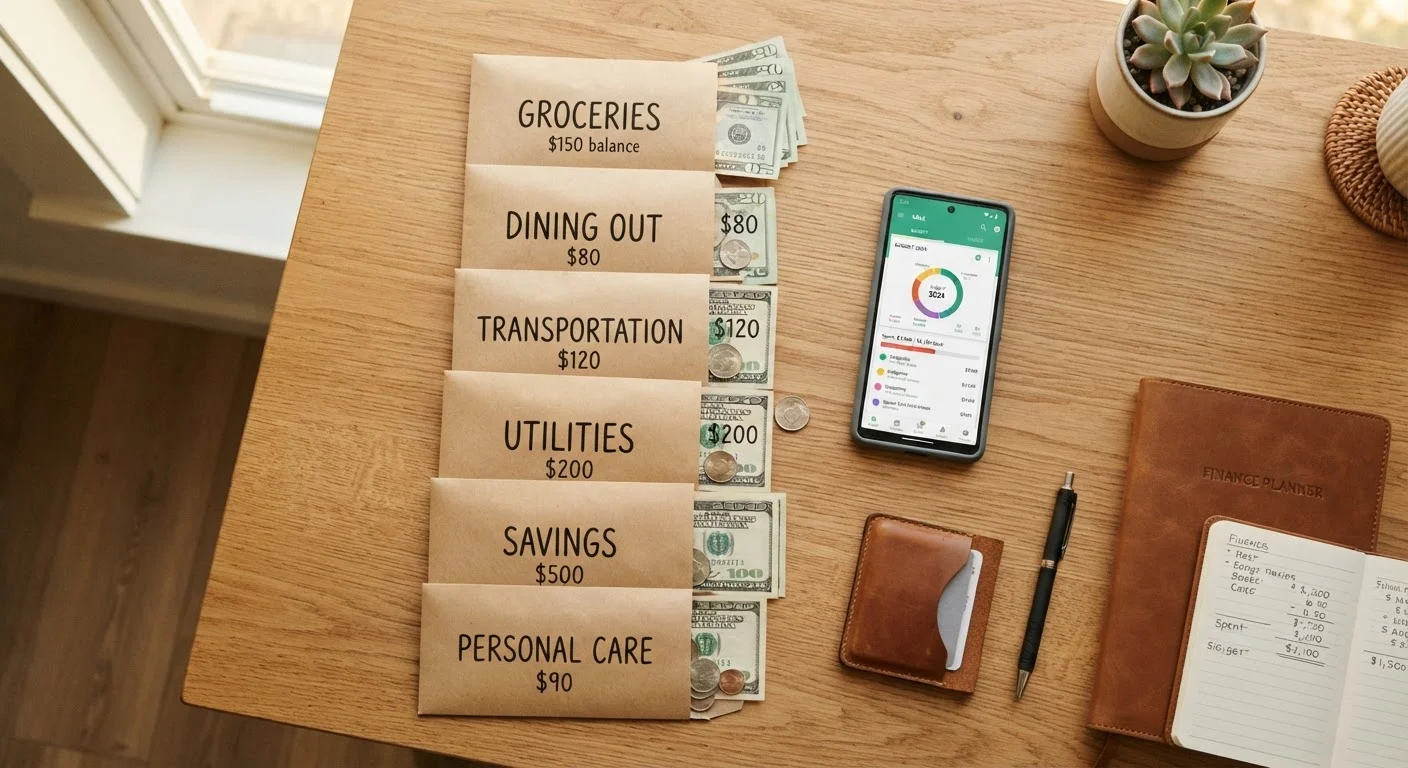
Photo: ConfiReads.com | Blogs For Inquisitive Minds editorial
Key Takeaways
- Envelope budgeting forces you to set firm spending limits before you spend, not after.
- Physical cash creates a psychological friction that can reduce impulse purchases.
- Digital envelope apps replicate the system without requiring cash withdrawals.
- The method works best for variable, day-to-day expenses rather than fixed bills.
- Overspending in one category requires a conscious trade-off from another - building accountability.
How the Original System Works
The mechanics are deliberately simple. At the start of each pay period, you calculate your take-home income, subtract fixed obligations (rent, utilities, loan payments), and divide what remains across labeled envelopes - one per spending category. You fund each envelope with the cash amount you've budgeted, then spend only from the relevant envelope during the period.
The physical constraint is the point. When your grocery envelope holds $300, you can see exactly how much is left mid-month. There's no ambiguity, no mental math, and no temptation to rationalize one more online purchase. The empty envelope is an unambiguous stop signal.
This tactile element helps explain why the method has outlasted generations of financial trends. Research on consumer behavior consistently finds that paying with cash feels more "real" than swiping a card, which tends to make people more deliberate about each purchase.
Envelope Budgeting Is Not One-Size-Fits-All
The Digital Evolution
For most Americans today, carrying category-specific cash is impractical. Online shopping, automatic payments, and tap-to-pay have fundamentally changed how money moves. Digital envelope tools bridge that gap by applying the same category-cap logic to electronic transactions.
In a digital envelope app, you create virtual envelopes, fund them with your budgeted amounts at the start of the month, and link spending to the appropriate category after each transaction. Some apps pull transactions automatically from linked accounts; others require manual entry - which, many users report, actually reinforces mindfulness about spending.
78%
Americans living paycheck to paycheck
A 2023 LendingClub report found that approximately 78% of U.S. consumers were living paycheck to paycheck at some point during the year, underscoring the need for structured spending systems.
~$314
Average monthly dining-out spend per household
According to U.S. Bureau of Labor Statistics Consumer Expenditure data, the average American household spends a significant share of its food budget on meals away from home - a category envelope budgeting targets directly.
If you prefer more control without a dedicated app, a spreadsheet can replicate envelope logic using simple columns for budgeted amount, spent, and remaining. The format matters less than the habit of checking your balances before you spend.
Where Envelope Budgeting Fits - and Where It Doesn't
Envelope budgeting excels at managing variable, discretionary spending - the categories most people struggle to control. Groceries, dining, entertainment, clothing, and personal care are natural fits. These are the line items most likely to creep upward when left unmonitored.
It works less well for fixed expenses. You don't need an envelope for your mortgage payment because the amount doesn't change and the payment is automatic. Applying the method to fixed bills adds administrative work without meaningful behavioral benefit.
The system also pairs naturally with broader budgeting frameworks. Because it assigns every available dollar to a category, envelope budgeting is essentially a hands-on implementation of zero-based logic - where no dollar is left unaccounted for. For a deeper look at that framework, see our explainer on zero-based budgeting.
Build in a Small Buffer Per Envelope
Getting Started: A Practical First Step
Start small. Choose three to five variable categories that regularly blow your budget. Estimate a realistic monthly limit for each based on recent bank or credit card statements - not wishful thinking. Fund those envelopes on payday and track spending until the period ends.
Resist the urge to build a perfect 20-category system in week one. Complexity is the enemy of consistency. Once the habit is established, you can add categories gradually. For a structured walkthrough of setting spending limits from scratch, the five-step first budget guide offers a practical starting point.
Envelope budgeting is a tool, not a personality test. Some people thrive with cash envelopes; others prefer digital. What matters is that the category limits exist, you know them, and you respect them - or consciously choose to adjust them with intention. That decision-making habit, more than any app or paper envelope, is where lasting financial change begins.
For those building toward longer-term financial stability, the complete roadmap to budget mastery offers a comprehensive framework that envelope budgeting fits neatly within.
This article is for general informational and educational purposes only and does not constitute personalized financial or investment advice. Consult a qualified financial professional for guidance tailored to your individual circumstances.
Frequently Asked Questions
The content on this site is for informational purposes only and is not a substitute for professional advice. Always consult a qualified professional for guidance specific to your situation.