
Pet Nutrition Myths That Many Owners Still Believe

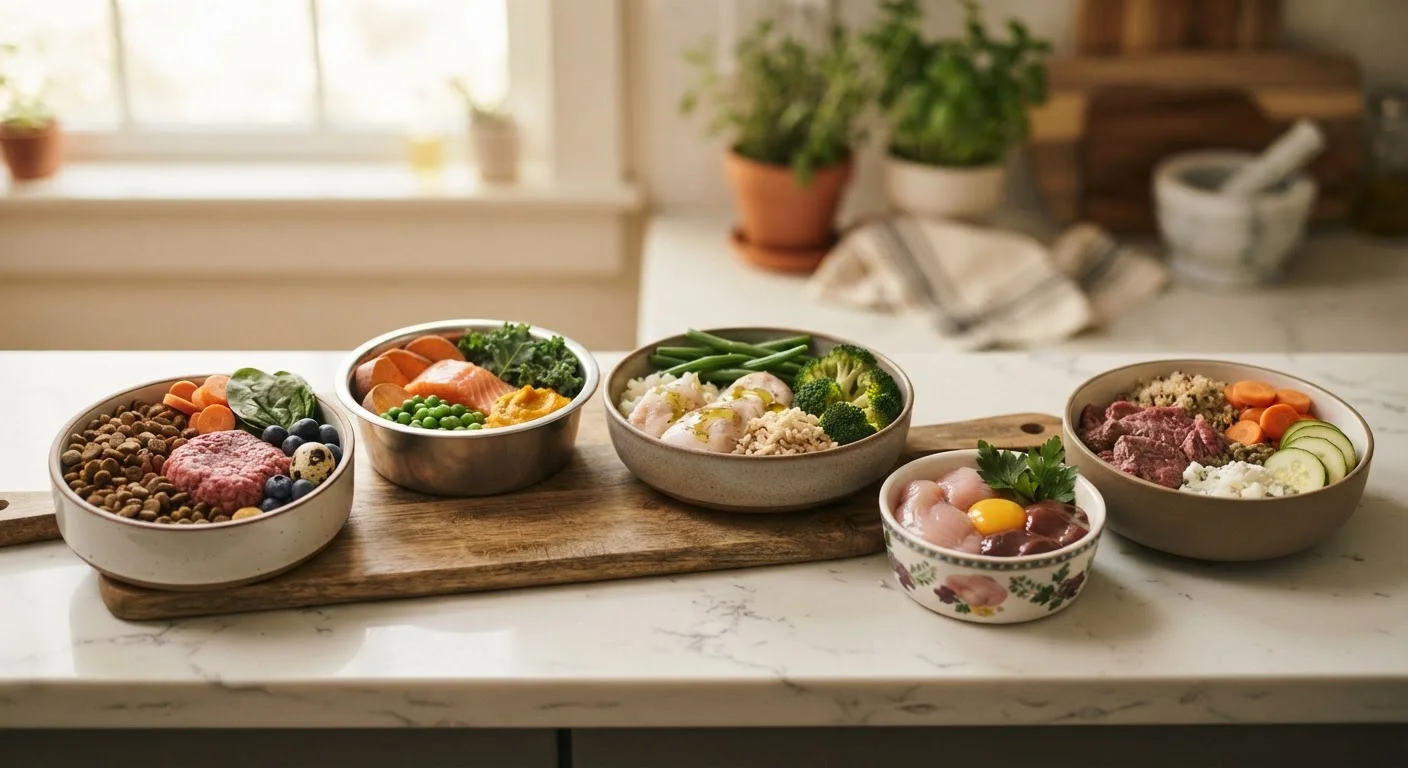
Photo: ConfiReads.com | Blogs For Inquisitive Minds editorial
Key Takeaways
- Grain-free diets are not automatically healthier and may carry cardiac risks for some dogs.
- Raw diets pose real food-safety hazards for both pets and the humans handling the food.
- Table scraps - even small amounts - can introduce harmful ingredients and unhealthy calories.
- Premium price tags and 'natural' labels do not guarantee better nutrition for your pet.
- Every pet's nutritional needs differ; a vet's guidance is the most reliable starting point.
Why Pet Nutrition Misinformation Spreads So Easily
Pet owners genuinely want the best for their animals, which makes them an attentive - and sometimes vulnerable - audience for nutrition claims that sound scientific but lack solid evidence. Marketing language like "ancestral diet," "biologically appropriate," and "clean ingredients" borrows the vocabulary of human wellness trends and applies it to pet food with little regulatory scrutiny of those terms.
The result is a landscape where myths persist alongside legitimate advances in veterinary nutrition. Understanding what the evidence actually supports helps you make calmer, better-informed choices at the pet food aisle - and in conversations with your vet. For a closer look at how misleading nutrition language works in a human context, see our piece on diet myths nutrition research has moved past.
Myth
Grain-free diets are healthier for dogs and cats because grains are unnatural fillers.
Fact
Grains are digestible, nutrient-rich ingredients for most pets, and grain-free formulas have been linked to a potential cardiac condition in dogs.
The FDA has been investigating a possible association between grain-free diets high in legumes (peas, lentils, chickpeas) and dilated cardiomyopathy (DCM) in dogs since 2018. While causation has not been definitively established, veterinary cardiologists have raised enough concern to warrant caution. Grains like brown rice and oats provide fiber, B vitamins, and energy - none of which make them "fillers" in a meaningful nutritional sense. For a useful parallel, our article on whole grains vs. refined grains explains why grains vary widely in nutritional quality for humans - a distinction that applies in animal nutrition too.
Myth
Raw diets are more natural and therefore safer and better for pets.
Fact
Raw diets carry documented food-safety risks including Salmonella, Listeria, and E. coli - for both your pet and your household.
Both the FDA and the American Veterinary Medical Association (AVMA) have published guidance cautioning against raw meat-based diets due to pathogen risks. Studies have detected harmful bacteria in commercially prepared raw pet foods at rates that would be unacceptable in human food. Pets eating raw food can shed these pathogens in their feces, creating exposure risks for children, elderly family members, and immunocompromised individuals. "Natural" does not mean risk-free - wild carnivores have shorter digestive tracts and different immune exposures than domesticated pets living in homes.
Myth
Small amounts of table scraps are harmless and even beneficial for pets.
Fact
Many common human foods are toxic to pets, and regular scraps - even non-toxic ones - contribute excess calories and can reinforce begging behavior.
Onions, garlic, grapes, raisins, xylitol (a sweetener found in sugar-free foods), chocolate, macadamia nuts, and alcohol are among the foods that are genuinely toxic to dogs or cats, sometimes in surprisingly small quantities. Beyond outright toxins, high-fat scraps can trigger pancreatitis, while salty or seasoned foods stress kidneys over time. Even well-intentioned additions like cooked chicken can unbalance a nutritionally complete commercial diet if given consistently.
[important_callout]Myth
A more expensive pet food or one labeled 'natural' or 'holistic' is always nutritionally superior.
Fact
Price and marketing terms like 'natural' or 'holistic' have no standardized regulatory definitions and do not indicate superior nutrition.
AAFCO defines "natural" narrowly (no synthetic additives), but terms like "holistic," "human-grade," and "premium" carry no regulatory definitions whatsoever. A moderately priced food that meets AAFCO nutrient profiles for your pet's life stage and has undergone feeding trials can outperform an expensive boutique brand that has not. The more useful questions when evaluating any food are: Does it meet AAFCO standards? Has it been tested through feeding trials? Does the manufacturer employ board-certified veterinary nutritionists? These factors matter far more than the price per bag.
What Good Pet Nutrition Actually Looks Like
Once the myths are cleared away, a few practical principles hold up well. A diet that meets AAFCO (Association of American Feed Control Officials) nutritional standards for your pet's life stage is a reliable baseline. Life stage matters enormously: a puppy, an adult dog, and a senior dog have meaningfully different protein, fat, and mineral requirements.
~25%
Pet dogs estimated to be overweight or obese
Multiple veterinary surveys suggest roughly one in four domestic dogs in the U.S. is overweight, making calorie management a more pressing concern than ingredient trends for many owners.
2018
Year FDA opened DCM-diet investigation
The FDA began formally investigating a potential link between grain-free, legume-heavy diets and dilated cardiomyopathy in dogs after receiving a spike in case reports from veterinary cardiologists.
Wet and dry foods each have genuine trade-offs - wet food contributes to hydration while dry kibble tends to be more calorie-dense per dollar. Our comparison of dry food vs. wet food for cats and dogs breaks down those differences on hydration, dental health, and cost.
Learning to read an ingredient label is another underrated skill. Ingredients are listed by pre-cooking weight, so a meat listed first doesn't necessarily dominate the finished product. Our guide to reading a pet food label decodes AAFCO statements, guaranteed analysis panels, and ingredient-splitting tactics that can obscure true nutritional content.
Avoid Switching Diets Abruptly
Dental health is also intertwined with diet in ways owners often overlook. Food texture, chewing habits, and treat choices all play a role - and the consequences of neglect go beyond bad breath. See where pet dental health goes wrong for a practical overview.
This article is for general informational purposes only and does not constitute veterinary advice. Always consult a licensed veterinarian before making significant changes to your pet's diet, especially for animals with health conditions or special dietary needs.
The content on this site is for informational purposes only and is not a substitute for professional advice. Always consult a qualified professional for guidance specific to your situation.