Pet Care Basics

Where Pet Dental Health Goes Wrong—and What to Do Instead

Where Pet Dental Health Goes Wrong—and What to Do Instead

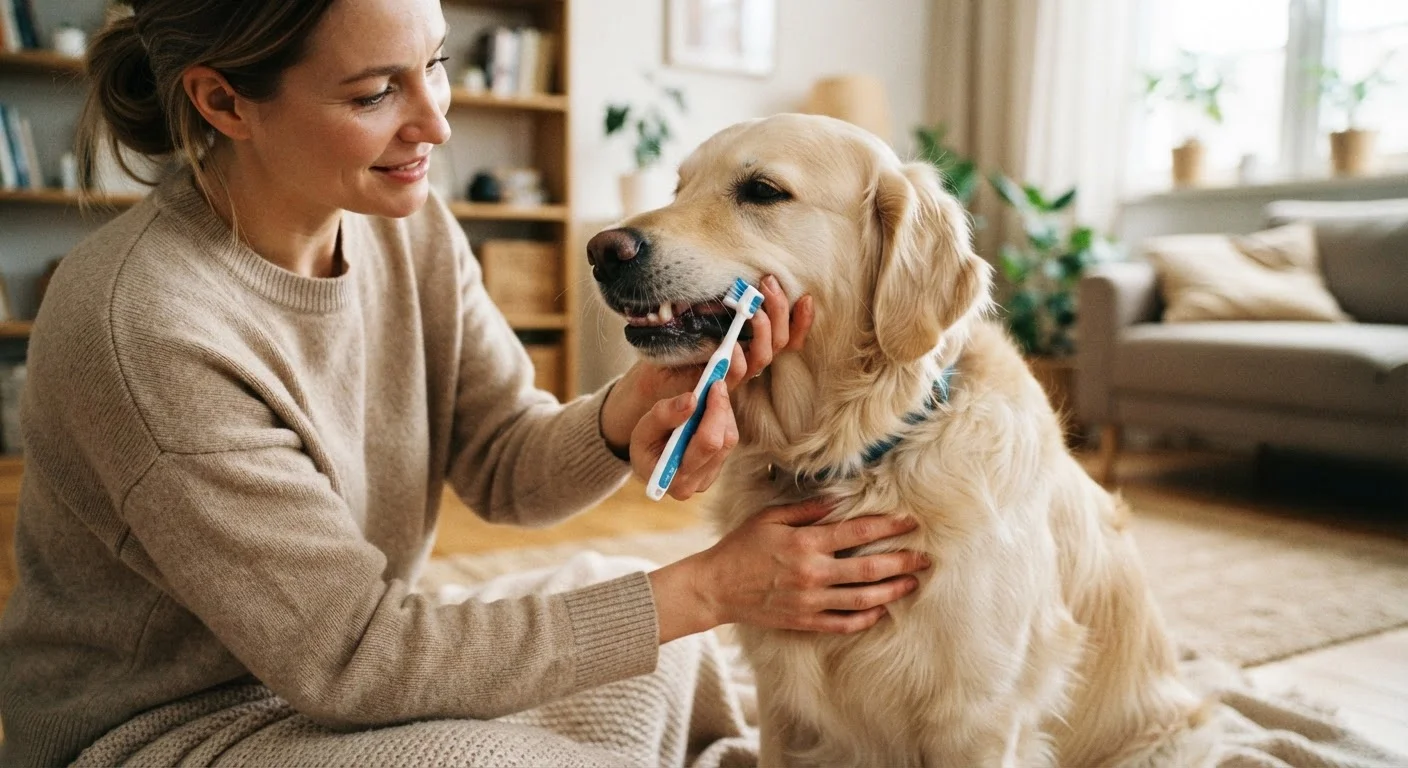
Photo: ConfiReads.com | Blogs For Inquisitive Minds editorial

Skipping tooth brushing, relying on treats alone, and ignoring bad breath are among the most common—and costly—dental oversights in pet care.

Key Takeaways

  • Dental disease affects the majority of dogs and cats by age three, yet it's largely preventable.
  • Bad breath in pets is usually a symptom of bacterial buildup, not a normal trait to ignore.
  • Dental chews and treats help but cannot replace regular toothbrushing.
  • Professional cleanings under anesthesia are safe and necessary — don't let fear of anesthesia delay care.
  • Early dental problems caught at annual vet visits are far cheaper and easier to treat.

Why Pet Dental Health Gets Neglected

Dental care is one of the most overlooked aspects of pet ownership — and one of the most consequential. Unlike a limp or a visible wound, oral disease develops quietly. Tartar builds up over months, gums recede, and teeth loosen long before most owners notice anything wrong. By the time a pet shows obvious signs of discomfort, significant damage may already have occurred.

The good news is that most dental disease in pets is preventable with consistent at-home habits and regular professional care. Understanding where things commonly go wrong is the first step toward doing better. As part of responsible pet ownership, dental health deserves the same attention as nutrition, exercise, and vaccinations.

Dental Disease Has Whole-Body Consequences

Untreated periodontal disease doesn't stop at the mouth. Oral bacteria can enter the bloodstream and have been associated with heart, kidney, and liver complications in pets. Treating dental disease is not cosmetic — it's a genuine health priority that your veterinarian can help you manage.

The Most Common Dental Mistakes — and How to Fix Them

The mistakes below appear across species and household types. Most stem not from neglect but from misinformation or a lack of guidance on what's actually expected of pet owners.

1

Skipping regular toothbrushing because the pet resists or the owner assumes it's unnecessary.

Why it happens: Brushing a pet's teeth feels awkward at first, and many owners aren't told it's expected from an early age. Resistance from the pet makes it easy to give up.
How to avoid: Introduce brushing gradually — start by letting your pet lick pet-safe toothpaste off your finger, then slowly work up to a finger brush and then a toothbrush. Daily brushing is the gold standard; even a few times a week provides meaningful benefit.
2

Treating bad breath as normal when it is actually a warning sign of dental disease.

Why it happens: Many owners assume 'dog breath' is just a fact of life, not realizing persistent odor signals significant bacterial accumulation, gum inflammation, or tooth decay.
How to avoid: If your pet's breath has a noticeably foul or sharp odor, bring it up at your next vet visit — or sooner if accompanied by drooling, pawing at the mouth, or reduced appetite. These signs often point to treatable conditions.
3

Relying solely on dental treats or chews as a substitute for brushing.

Why it happens: Dental chews are marketed heavily and feel like an easy solution. Owners reasonably assume that chewing does the same job as brushing.
How to avoid: Look for products carrying the Veterinary Oral Health Council (VOHC) seal, which indicates evidence-backed plaque or tartar reduction. Use these as a supplement to brushing, not a replacement. The relationship between diet and dental health is also worth discussing with your vet.
4

Avoiding professional dental cleanings out of fear of anesthesia.

Why it happens: Anesthesia carries real but manageable risks, and owners — especially of senior pets — may feel the risk outweighs the benefit without fully understanding the trade-off.
How to avoid: General anesthesia allows the vet to safely clean below the gumline, take dental X-rays, and address painful issues the pet would not tolerate awake. Pre-anesthetic bloodwork helps assess individual risk. Discuss your pet's age and health status with your vet rather than declining outright.
5

Waiting until a pet shows obvious pain before seeking dental care.

Why it happens: Pets instinctively mask discomfort. Owners often assume a pet still eating normally has no dental problem — but animals frequently continue eating despite significant oral pain.
How to avoid: Because pets hide illness so effectively, routine professional exams are essential. Annual wellness visits that include a dental assessment catch early disease before pain or tooth loss occurs. See how these connect to why annual vet visits matter for your pet's overall health.

Never Use Human Toothpaste on Pets

Human toothpaste commonly contains xylitol or fluoride, both of which are toxic to dogs and cats. Always use a toothpaste formulated specifically for pets, which comes in flavors animals accept — like poultry or malt — and is safe to swallow.

Even small improvements — introducing brushing, upgrading to VOHC-approved products, or booking an overdue dental exam — can meaningfully slow the progression of oral disease. If you're uncertain about your pet's current dental status, a good starting point is raising it at your next annual wellness visit.

80%

Dogs with dental disease by age three

The American Veterinary Medical Association estimates that most dogs show signs of periodontal disease by their third year of life.

70%

Cats affected by dental disease by age three

Cornell University College of Veterinary Medicine notes that the majority of cats develop some form of dental disease within their first few years.

This article is for general informational purposes and is not a substitute for professional veterinary advice. Always consult a licensed veterinarian for guidance specific to your pet's health and needs.

Home & Pets Editorial Team

ConfiReads.com | Blogs For Inquisitive Minds

Home & Pets Editorial Team is the collective byline for our editorial team and contributor network. Articles published under this byline or an editorial pen name are researched, written, and reviewed according to our editorial standards for clarity, consistency, and independence before publication.

Pet Care BasicsHome Living Tips
View author profile

The content on this site is for informational purposes only and is not a substitute for professional advice. Always consult a qualified professional for guidance specific to your situation.