
Renting vs. Owning Major Home Appliances: What Makes Financial Sense

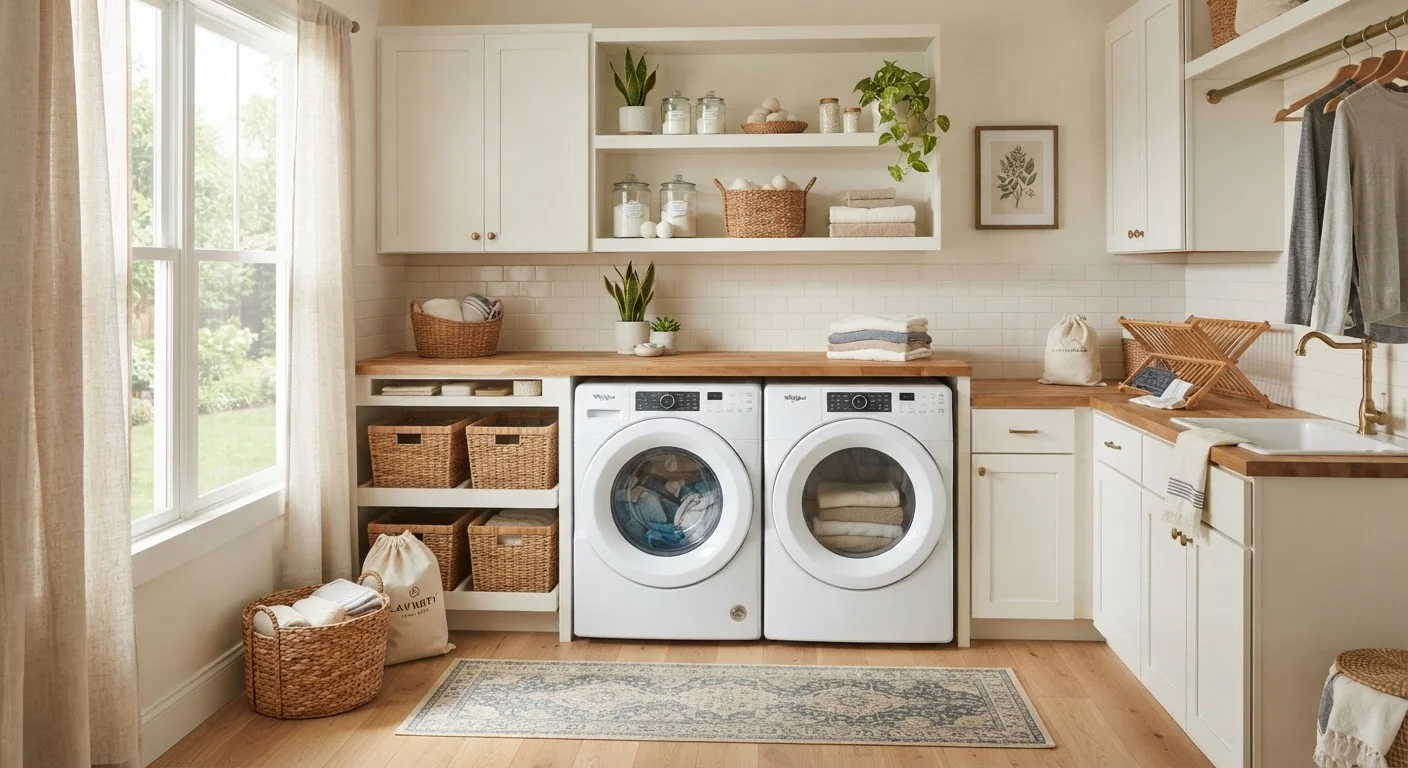
Photo: ConfiReads.com | Blogs For Inquisitive Minds editorial
Key Takeaways
- Renting appliances typically costs more over time than purchasing outright.
- Maintenance coverage is the primary financial benefit of appliance rental agreements.
- Water heater and HVAC rentals are the most common arrangements in the U.S. market.
- Renters and households in transitional living situations may benefit most from appliance leasing.
- Always read rental contracts carefully for cancellation fees and buyout clauses before signing.
No large upfront purchase cost required
Renting eliminates the need to pay $500-$2,000+ for a new appliance at once, which can be a meaningful barrier for cash-strapped households or renters furnishing a space short-term.
Maintenance and repairs typically included
Most rental agreements cover service calls, parts, and replacement if the unit fails - removing an unpredictable expense from the household budget.
Useful during temporary or transitional living
For households expecting to relocate within one to two years, renting avoids the hassle of moving large appliances or selling them at a loss.
Access to newer equipment without replacement cost
Some rental programs will swap aging units for updated models, giving renters access to more efficient technology without a capital outlay.
Total cost over time far exceeds purchase price
Monthly fees accumulate quickly - in many cases, renters pay the full retail value of the appliance within three to five years and continue paying indefinitely without gaining ownership.
No equity or asset ownership is built
Unlike a purchased appliance, a rented unit adds nothing to the household's asset value - payments stop the moment the contract ends with nothing to show for years of fees.
Cancellation fees can trap households in contracts
Many agreements carry early termination penalties or require significant notice periods, reducing flexibility if circumstances change unexpectedly.
Contracts may auto-renew without clear notice
Some rental programs automatically extend unless the renter takes explicit action, making it easy to continue paying for an appliance well past the point where buying would have been cheaper.
Limited control over equipment choices
Renters typically cannot choose the specific brand, model, or energy-efficiency rating of the unit provided - which matters especially for high-usage appliances like HVAC systems and water heaters.
What Appliance Renting Actually Looks Like
Appliance rental programs - sometimes called lease-to-own or rent-to-own arrangements - allow households to pay a recurring monthly fee in exchange for use of a major appliance. The most common items offered this way include water heaters, HVAC systems, washers and dryers, and refrigerators.
These programs are offered by utility companies, appliance retailers, and third-party rental firms. The monthly cost typically covers the unit itself and, in most cases, maintenance and repair. Ownership may or may not transfer to the renter at the end of a contract period, depending on the agreement.
Understanding the structure of these deals is critical before signing. Some contracts include automatic renewal clauses, early termination fees, or buyout prices that may not reflect fair market value. Shoppers comparing this option to outright purchase should also consider how appliance decisions connect to broader household budgeting - for a framework, see our resources on budgeting basics.
The Case for Renting: Genuine Advantages
Appliance rental isn't inherently a bad deal - it genuinely serves certain households well. Here are the strongest arguments in its favor.
No large upfront purchase cost required
Renting eliminates the need to pay $500-$2,000+ for a new appliance at once, which can be a meaningful barrier for cash-strapped households or renters furnishing a space short-term.
Maintenance and repairs typically included
Most rental agreements cover service calls, parts, and replacement if the unit fails - removing an unpredictable expense from the household budget.
Useful during temporary or transitional living
For households expecting to relocate within one to two years, renting avoids the hassle of moving large appliances or selling them at a loss.
Access to newer equipment without replacement cost
Some rental programs will swap aging units for updated models, giving renters access to more efficient technology without a capital outlay.
Maintenance coverage is the most concrete benefit. A rented water heater that fails on a Sunday evening is the rental company's problem to fix, not yours. For households without an emergency savings buffer, that peace of mind has real value. Similarly, if you're renting your home and your landlord doesn't provide appliances, a short-term rental agreement may be more practical than purchasing a washer you'd need to move later.
The Case Against Renting: Key Drawbacks
For most households, particularly long-term homeowners, the drawbacks of appliance rentals outweigh the benefits once the numbers are examined honestly.
Total cost over time far exceeds purchase price
Monthly fees accumulate quickly - in many cases, renters pay the full retail value of the appliance within three to five years and continue paying indefinitely without gaining ownership.
No equity or asset ownership is built
Unlike a purchased appliance, a rented unit adds nothing to the household's asset value - payments stop the moment the contract ends with nothing to show for years of fees.
Cancellation fees can trap households in contracts
Many agreements carry early termination penalties or require significant notice periods, reducing flexibility if circumstances change unexpectedly.
Contracts may auto-renew without clear notice
Some rental programs automatically extend unless the renter takes explicit action, making it easy to continue paying for an appliance well past the point where buying would have been cheaper.
Limited control over equipment choices
Renters typically cannot choose the specific brand, model, or energy-efficiency rating of the unit provided - which matters especially for high-usage appliances like HVAC systems and water heaters.
The long-term cost comparison is where rental agreements most often lose. A mid-range water heater purchased outright typically costs between $500 and $1,200 installed. Monthly rental fees for the same unit can range from $15 to $30 or more, meaning a renter may pay the equivalent purchase price within three to five years - and continue paying indefinitely. Homeowners considering upgrades like HVAC systems may find it helpful to compare efficiency trade-offs in detail: our guide on central air vs. window units covers how to weigh long-term costs on cooling decisions.
3-5 years
Typical payback period vs. outright purchase
Industry estimates suggest monthly rental fees for a standard water heater often equal its full purchase and installation cost within three to five years of payments.
$15-$30+
Typical monthly water heater rental fee
Fees vary by provider, region, and unit type, but this common range illustrates how cumulative costs can exceed appliance value over a long contract.
How to Decide: Questions Worth Asking First
Before committing to either path, a few key questions can sharpen the decision:
- How long do you plan to stay? Renting makes more sense over a 1-2 year horizon than a 10-year one.
- Can you cover a sudden repair or replacement cost? If an unexpected $800 expense would create real financial strain, rental's included maintenance has greater value.
- Does your home have hard water? Aggressive mineral buildup can shorten appliance life significantly - a factor worth understanding before buying. Our article on what hard water does to your appliances explains the real risks.
- What does the contract actually say? Review termination penalties and whether ownership ever transfers before signing.
The rent-vs-own logic here parallels decisions in other categories. The same kind of total-cost thinking that applies to buying vs. leasing a car applies equally well to appliances: monthly payment convenience can mask a higher total outlay.
Check for Rental Agreements on Existing Appliances
This article is for general informational purposes only and does not constitute financial or legal advice. Review any rental contract carefully and consult a qualified adviser for decisions specific to your financial situation.
The content on this site is for informational purposes only and is not a substitute for professional advice. Always consult a qualified professional for guidance specific to your situation.