
What Hard Water Actually Does to Your Pipes, Appliances, and Skin

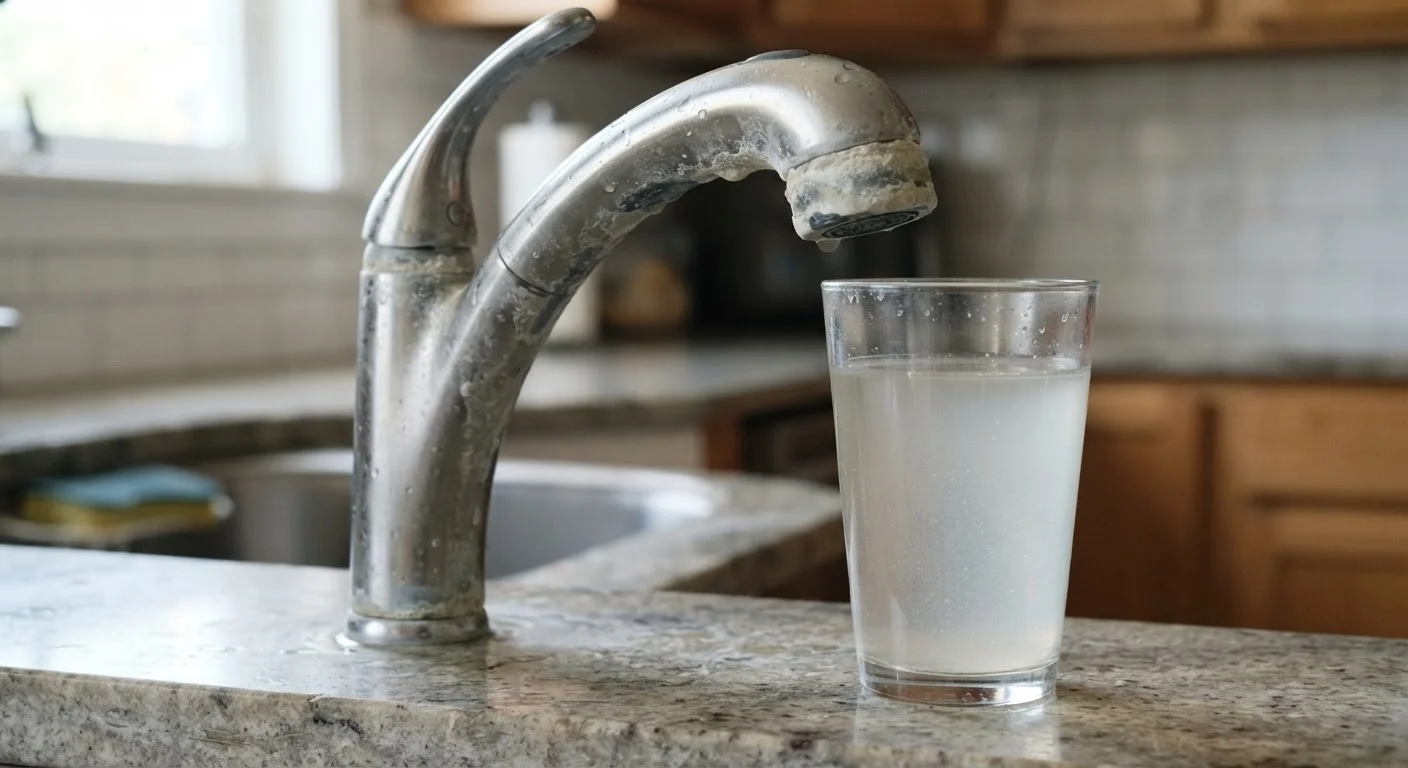
Photo: ConfiReads.com | Blogs For Inquisitive Minds editorial
Key Takeaways
- Hard water contains dissolved calcium and magnesium minerals that are harmless to drink but problematic at home.
- Scale buildup inside pipes and water heaters can reduce efficiency and shorten appliance lifespan.
- Hard water leaves soap scum on skin and hair, making them feel dry or dull after washing.
- Water softeners and other filtration options can reduce or eliminate hard water effects.
- Understanding your local water hardness helps you make smarter decisions about home maintenance.
What Hard Water Does Inside Your Pipes
When hard water is heated or sits stagnant, dissolved calcium and magnesium precipitate out and form a hard, chalky crust called limescale. This buildup accumulates on the inside walls of pipes, water heaters, and any appliance that heats or holds water.
In older galvanized steel or copper pipes, sustained scale buildup can gradually narrow the pipe's interior, reducing water pressure and flow over years. While modern plumbing materials like PVC and PEX resist scale adhesion better, the real vulnerability in most homes lies in water heaters and boilers. Scale acts as an insulating layer on heating elements, forcing the unit to work harder to reach the same temperature - consuming more energy and wearing down components faster.
85%
U.S. homes affected by hard water
According to the U.S. Geological Survey, approximately 85% of American homes receive water classified as moderately to very hard.
Up to 25%
Energy efficiency loss in water heaters
The Water Quality Research Foundation has found that heavy scale buildup can reduce water heater efficiency by up to 25% over time.
1/4 inch
Scale thickness that triggers measurable energy loss
Industry studies on heat transfer suggest even a quarter-inch of limescale on a heating element significantly increases energy consumption.
Faucets, showerheads, and valves are also affected. The small orifices in these fixtures can clog with mineral deposits, reducing spray patterns and requiring more frequent cleaning or replacement.
How Hard Water Affects Major Appliances
Appliances that use hot water are the most vulnerable. Dishwashers, washing machines, and coffee makers all accumulate scale on heating elements and spray arms. This can lead to:
- Reduced efficiency: More energy is needed to heat water through a layer of scale.
- Shorter appliance lifespan: Components wear out faster under increased thermal stress.
- Cloudy dishes and glassware: Minerals deposit on surfaces during the wash and dry cycles.
- Stiff or dull laundry: Minerals bond with fabric fibers and detergent, leaving clothes feeling rough.
If you're weighing long-term appliance costs - including whether to own or rent major home systems - consider how your water quality factors into maintenance frequency. Our guide to renting vs. owning major home appliances explores how these decisions interact with upkeep realities.
Check Your Local Water Quality Report
Hard Water and Your Skin and Hair
Hard water doesn't just affect your plumbing - it affects what you feel when you step out of the shower. The minerals in hard water react with soap to form a film rather than a proper lather. This film can:
- Leave skin feeling tight, dry, or filmy after washing
- Clog pores by leaving behind residue that doesn't rinse cleanly
- Make hair feel dull, brittle, or difficult to manage
- Reduce the effectiveness of moisturizers applied over unwashed skin
Some research has explored a potential link between hard water and eczema flare-ups, particularly in children. The evidence is still developing, so it's worth discussing with a dermatologist if this is a concern for your household - rather than drawing firm conclusions from the research alone.
Skin Sensitivity and Hard Water: Still Being Studied
For most people without underlying skin conditions, the effects are mostly cosmetic and manageable with adjusted skincare routines or shower filters.
“Water hardness is one of those background factors in household health that people rarely think about until something goes wrong - a broken appliance, chronically dry skin, or persistent soap scum that won't wipe away. Understanding it puts homeowners in a much better position to act.”
— Home & Pets Editorial Team, Practical home living research and editorial guidance
Your Options for Managing Hard Water
There is no single solution that works for every household, but several practical approaches exist:
- Ion-exchange water softeners
- The most comprehensive solution, installed at the point where water enters your home. They replace hardness minerals with sodium ions. Effective, but require ongoing salt replenishment and add sodium to wastewater.
- Salt-free conditioners
- These don't remove minerals but alter their crystalline structure so they're less likely to adhere as scale. They do not soften water in the traditional sense.
- Showerhead or faucet filters
- Point-of-use filters can reduce some mineral content for specific fixtures, a lower-cost option for targeted concerns like skin or hair.
- Descaling maintenance
- Regular cleaning of appliances, showerheads, and fixtures with diluted white vinegar or citric acid removes existing scale and slows accumulation.
The right choice depends on your water hardness level (available from your utility's annual water quality report), your plumbing age, and your budget. General financial education - not personalized advice - suggests that households in very hard water regions may see long-term savings from softening, but the math varies by household.
Frequently Asked Questions
The content on this site is for informational purposes only and is not a substitute for professional advice. Always consult a qualified professional for guidance specific to your situation.