
What Happens When You Don't Transfer a Car Title Properly

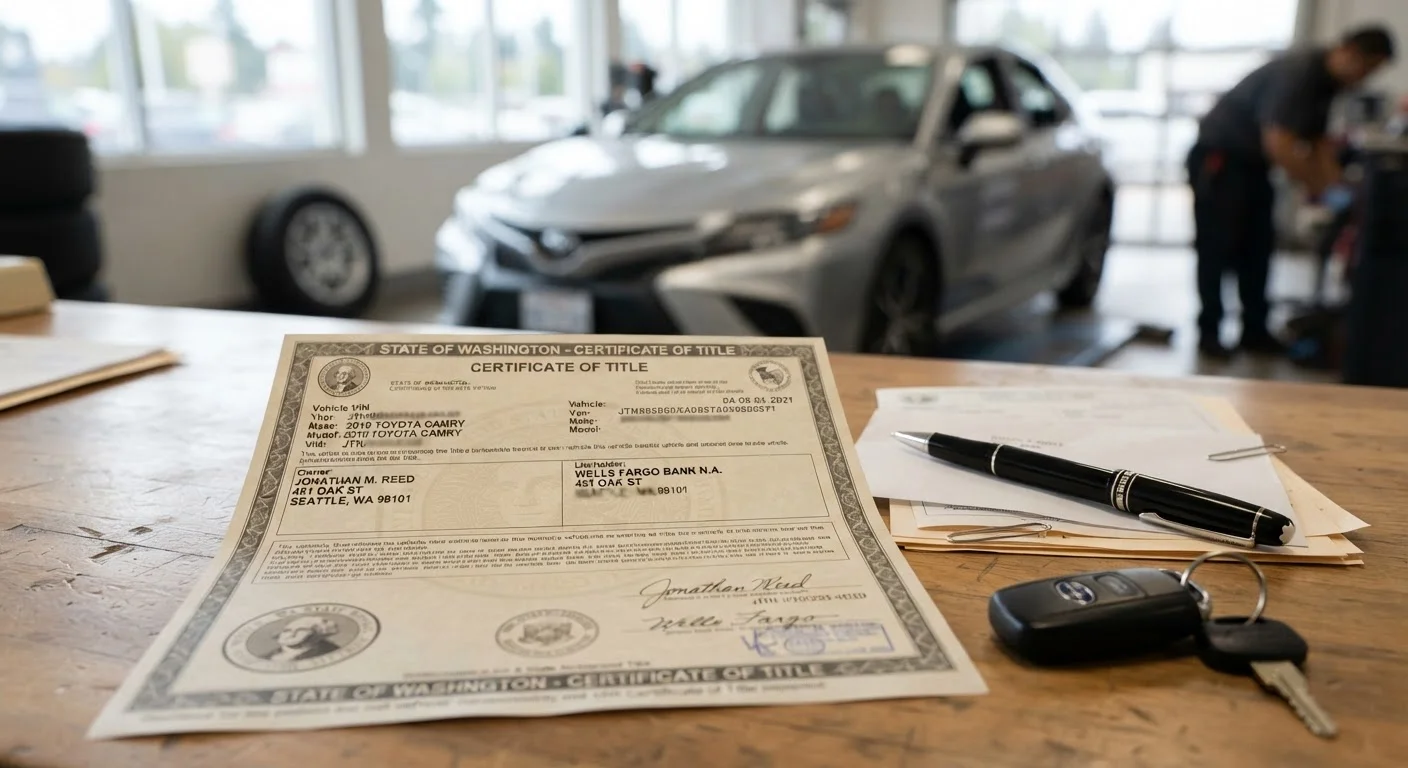
Photo: ConfiReads.com | Blogs For Inquisitive Minds editorial
Key Takeaways
- Failing to transfer a car title can leave the seller legally and financially responsible for the vehicle.
- Buyers who delay a title transfer may be unable to register the vehicle or obtain insurance.
- States impose deadlines-often 10 to 30 days-for completing a title transfer after a sale.
- Title problems can surface months or years later, complicating resale and creating liability.
Why the Title Transfer Step Gets Skipped
Buying or selling a car privately feels straightforward: money changes hands, keys are exchanged, and both parties move on. The paperwork, however, is where many transactions go wrong. Title transfers require specific signatures, fees, and DMV filings that can feel tedious - so they get postponed, forgotten, or done incorrectly.
Some sellers hand over a signed title and assume the buyer will handle the rest. Some buyers assume the seller already notified the state. Neither assumption is safe. Understanding what a car title actually does makes it easier to see why completing the transfer promptly is non-negotiable.
The Consequences Can Follow You for Years
Title problems rarely surface immediately - they tend to emerge at the worst possible moments: when a buyer tries to sell the vehicle, when a seller receives a toll violation or parking ticket for a car they thought they sold, or when an insurer questions ownership during a claim.
10-30 days
Typical state deadline to complete a title transfer
Most U.S. states require buyers to file a completed title transfer within 10 to 30 days of a vehicle purchase; deadlines and fees vary by state.
Varies by state
Late transfer penalty fees
Many states impose escalating penalties for late title transfers, ranging from modest administrative fees to registration denial until the title issue is resolved.
For sellers, the risk is particularly acute. Until the title is legally transferred, you may remain the registered owner in state records. That means liability exposure if the new driver causes an accident. It can also affect your credit and insurance history. Consult a licensed attorney or insurance professional if you believe you have unresolved liability from a prior sale.
For buyers, an incomplete transfer can make it impossible to register the vehicle in your name, obtain plates, or - in some cases - get the vehicle insured. See our step-by-step walkthrough of the title transfer process for a clear picture of what's required in a private sale.
Watch Out for Salvage and Rebuilt Titles
Title complications also mirror the logic of deferred vehicle upkeep: a small administrative task left undone compounds into something far more costly. The real cost of deferred car maintenance follows similar patterns - delay creates risk.
This article is for general informational purposes only and does not constitute legal, financial, or insurance advice. Consult a licensed professional for guidance specific to your situation.
The content on this site is for informational purposes only and is not a substitute for professional advice. Always consult a qualified professional for guidance specific to your situation.