
Transferring a Car Title After a Private Sale

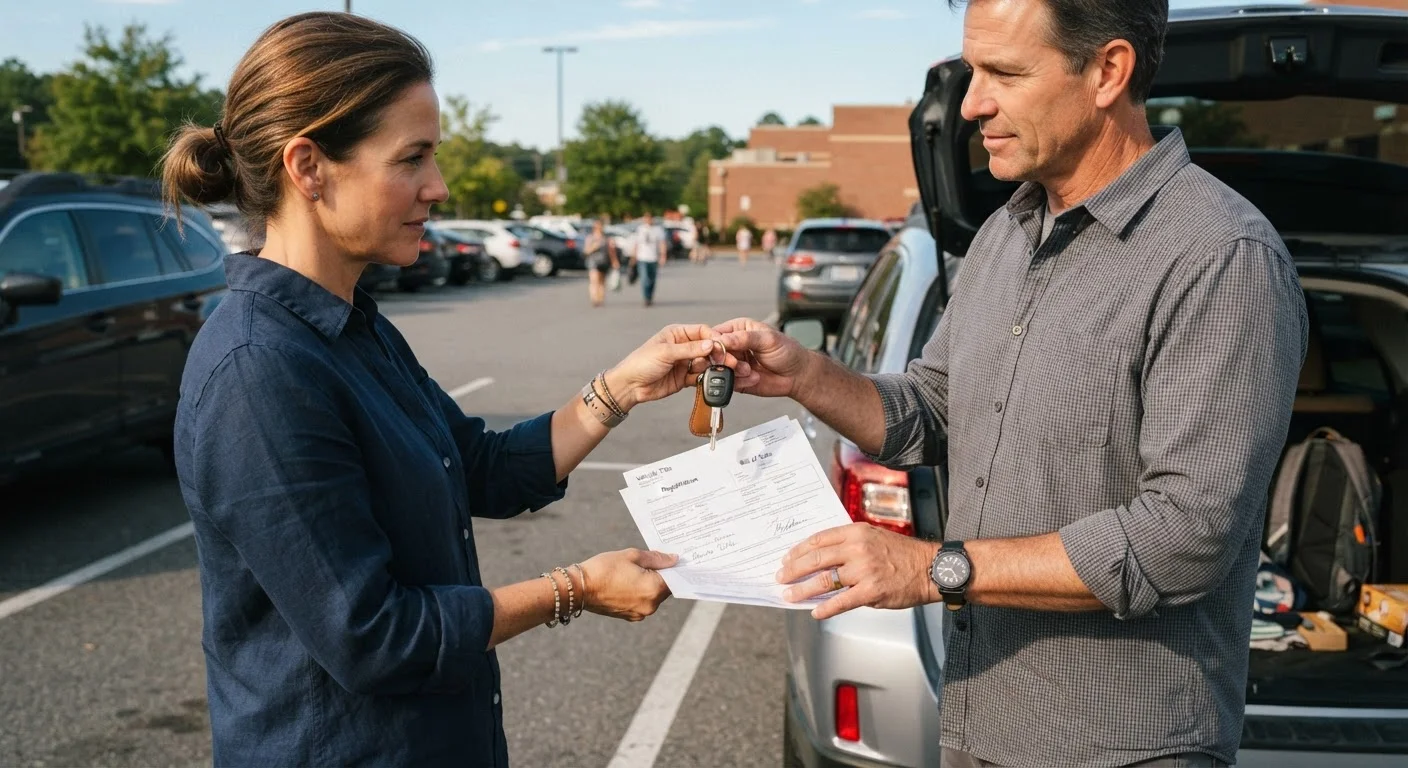
Photo: ConfiReads.com | Blogs For Inquisitive Minds editorial
Key Takeaways
- Both buyer and seller must sign the title in the correct fields for the transfer to be valid.
- Most states require title transfer at the DMV within 10-30 days of the sale date.
- A bill of sale protects both parties and may be required in some states.
- Liens must be fully released before a clean title can be transferred to a new owner.
- Failing to complete the transfer properly can leave the seller liable for the vehicle's future activity.
Why a Proper Title Transfer Matters
When a car changes hands in a private sale, the title is the legal document that proves ownership transferred. Without completing this step correctly, the buyer cannot register the vehicle in their name - and the seller may remain legally connected to a car they no longer own. Understanding what a car title actually is before you begin helps clarify why each step below exists.
Title transfer requirements vary by state, but the core process is consistent: the seller signs over the title, the buyer takes it to the DMV, and the DMV issues a new title in the buyer's name. Skipping or rushing any part of this process creates risks for both parties. See what can go wrong in our guide on the consequences of an improper title transfer.
What you will need
What You'll Need Before You Start
Gathering the right documents before meeting the buyer or heading to the DMV prevents delays and repeat trips. Check your state DMV's website for any jurisdiction-specific forms, as requirements differ.
Original Vehicle Title
The primary legal document that must be signed over to transfer ownership - no copies accepted.
Bill of Sale
Documents the agreed sale price, date, and parties involved; protects both buyer and seller and may be required by the DMV.
Odometer Disclosure Statement
Federally required for most vehicles under 10 model years old; many states print this directly on the title.
Lien Release Letter
Required if the seller financed the vehicle; confirms the lender has been paid and no claim exists on the title.
State DMV Title Transfer Form
Some states require an additional application form when applying for a new title in the buyer's name.
Notary Public
A handful of states require notarized signatures on the title or bill of sale - check your state's specific requirement.
Step-by-Step: Completing the Title Transfer
Follow these steps in order. Both parties should complete their portions of the title together at the time of sale whenever possible - this reduces the chance of errors that could void the document.
Verify the Title Is Clean and Correct
Before any money changes hands, the buyer should examine the physical title carefully. Confirm the VIN on the title matches the VIN plate on the dashboard and the door jamb sticker. Check that the seller's name matches their ID, that there are no lien-holder names still listed, and that the title has not been altered. A branded title (salvage, rebuilt, flood) must be disclosed and will affect registration options.
Obtain a Lien Release If Applicable
If the seller still has an outstanding loan on the vehicle, the lender holds the title and must be paid off before transfer can occur. The lender will issue a lien release letter or mail the physical title once the loan is satisfied. Do not proceed with the sale until the seller can provide a clean title with no lien holder listed - or a formal lien release document accompanying it. Our complementary article on selling a financed car explains the payoff process in full.
Complete the Title Assignment Section
The back of most titles contains an assignment section where the seller formally signs ownership over to the buyer. Both parties typically must fill in: the buyer's full legal name and address, the sale date, the sale price, the odometer reading, and both signatures. Use a ballpoint pen and print clearly. A single error in this section may require the seller to obtain a duplicate title before the transfer can proceed.
Create and Sign a Bill of Sale
Even when not legally required, a bill of sale is strongly recommended. It should include: both parties' full names and addresses, the vehicle's year, make, model, and VIN, the agreed sale price, the date of sale, and both signatures. Some states provide a standard form; others accept a written document. Each party should retain a signed copy. This document serves as your evidence of the transaction if any dispute or liability issue arises later.
Buyer Submits Documents to the DMV
The buyer takes the signed title, bill of sale, odometer disclosure, and any state-required forms to the DMV within the state-mandated deadline. At the DMV, you will pay the title transfer fee (which varies by state) and any applicable sales or use tax on the purchase price. The DMV will issue a new title in the buyer's name - this may be provided immediately or mailed within a few weeks depending on the state.
Seller Submits a Release of Liability
Most states allow - and some require - the seller to file a release of liability notifying the DMV that the vehicle has been sold. This is often available as an online form through your state DMV portal. Filing it promptly ensures you are not held responsible for parking tickets, toll violations, or accidents that occur after the sale date.
Missing the Transfer Deadline Has Real Consequences
After the Transfer: What Each Party Should Do
For the buyer: Once you have the signed title and bill of sale, visit your state DMV office within the required window (commonly 10-30 days). Bring all documents, pay the applicable title transfer fee and any sales tax owed, and request a new title in your name. You will also need to register the vehicle and obtain new plates or transfer existing ones, depending on your state's rules. First-time owners can find a broader overview of these ongoing responsibilities in our guide on what vehicle ownership actually involves.
For the seller: After signing over the title, notify your state DMV that you have sold the vehicle - many states offer an online release-of-liability form. Cancel or transfer your insurance policy and keep a copy of the signed bill of sale indefinitely. These responsible ownership habits protect you from liability if the new owner delays their registration or is involved in an incident.
Complete the Transfer at the Time of Sale
The content on this site is for informational purposes only and is not a substitute for professional advice. Always consult a qualified professional for guidance specific to your situation.