
Selling a Car You Still Owe Money On: What to Know Before You List It

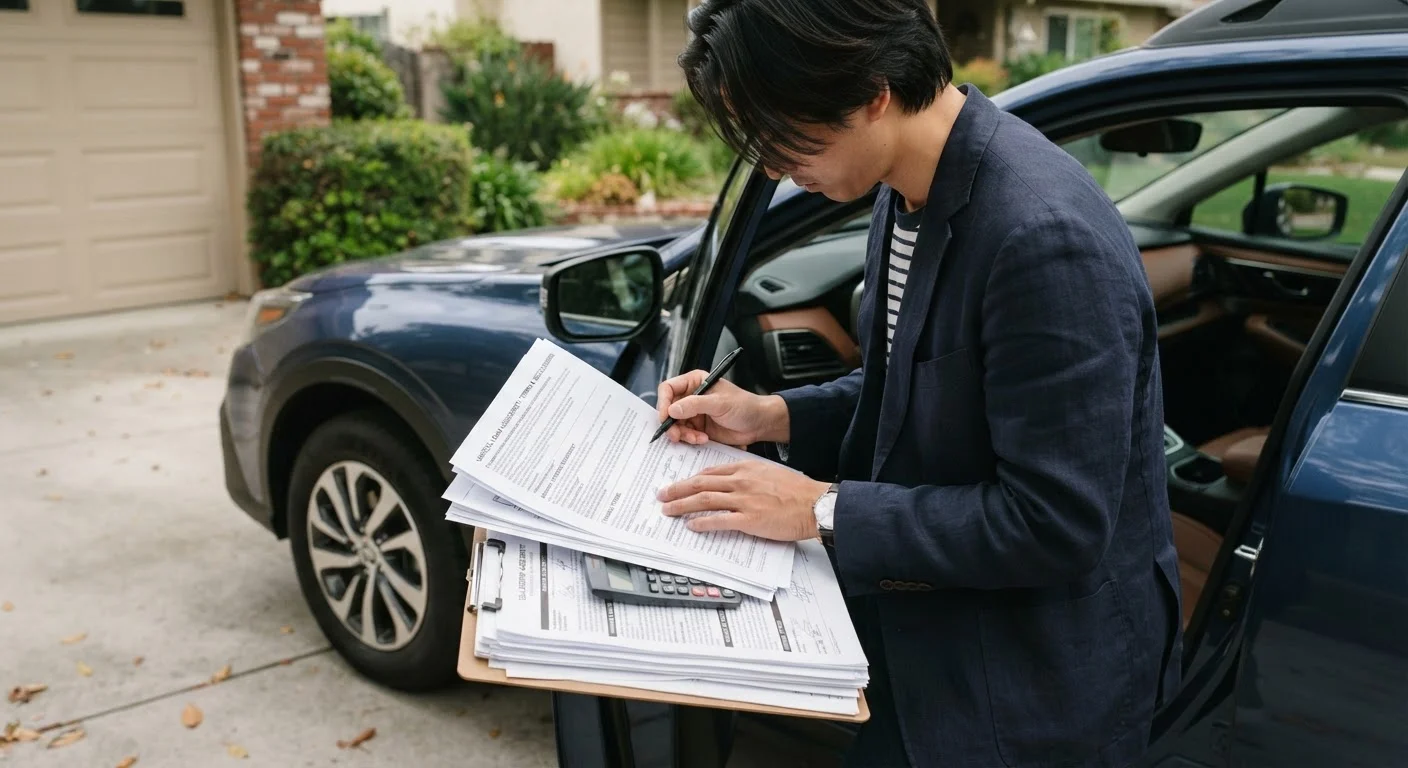
Photo: ConfiReads.com | Blogs For Inquisitive Minds editorial
Key Takeaways
- Your lender holds a lien on the title until the loan is paid off - you cannot legally transfer ownership without clearing it.
- The payoff amount is not the same as your remaining balance and must be confirmed directly with your lender.
- If you owe more than the car is worth, you are 'underwater' and must cover the gap before the sale can close.
- Private sales generally yield more money than trade-ins but require more coordination with your lender.
- Title transfer is only possible after lien release - skipping or delaying this step creates real legal and financial risk.
Why a Lien Changes Everything
When you finance a vehicle, your lender places a lien on the title - a legal claim that secures their interest in the car as collateral. This means you do not hold clear title to the vehicle until the loan is fully repaid. Trying to sell without addressing the lien is not just complicated; it can expose both you and a buyer to legal problems. For a deeper look at how secured debt works and why lenders require this arrangement, see our article on secured vs. unsecured debt.
The practical implication: the proceeds of your sale must first go toward satisfying the loan. Only after the lender releases the lien can a clean title be issued to the buyer. Understanding this sequence is the foundation of every other step in this process.
Check Your Lender's Title Location
Before You List: Two Numbers You Must Know
Before you post a listing or negotiate with a dealer, gather two essential figures:
- Your payoff amount: Contact your lender directly - by phone or through your online account - and request the exact payoff amount, including any fees, and confirm how long that quote is valid (typically 10-30 days). This figure is often slightly higher than your listed remaining balance because of accrued interest.
- Your car's current market value: Use reputable third-party valuation tools to get a realistic estimate of what buyers will pay in your region. Compare private-sale and trade-in figures separately.
The difference between these two numbers determines your position going into the sale. If market value exceeds payoff, you have positive equity and will pocket the difference. If payoff exceeds market value, you are underwater (also called being upside-down), and you will need to cover that gap. See our breakdown of financing vs. paying cash to understand how loan structure affects equity over time.
Being Underwater Doesn't Mean You Can't Sell
How to Complete the Sale: Private Buyer vs. Dealer
The mechanics of paying off a lien differ depending on who you sell to.
Selling to a Dealer or Dealership
Dealers handle financed trade-ins routinely. They obtain your payoff quote, deduct it from the offer price, and handle the lien release directly with your lender. This is the simplest route but generally yields a lower sale price.
Selling to a Private Buyer
Private sales require more coordination but often result in a better outcome financially. There are two common approaches:
- Seller pays off loan first: If you have the funds, pay off the loan before listing, receive the clear title, and sell like any private-party transaction.
- Escrow or simultaneous closing: The buyer's payment goes to your lender first (often through a direct wire or certified funds), the lender releases the lien, and the title transfers to the buyer. Some lenders will coordinate this directly; others require you to use an escrow service or conduct the transaction at a bank branch.
After the lien is released, make sure the title transfer is completed promptly and correctly. Our guide on transferring a car title after a private sale walks through the DMV paperwork and signatures involved. And if you're wondering what can go wrong when this step is skipped, see what happens when a title isn't transferred properly.
Request Your Official Payoff Quote
Call your lender or log into your loan account and request a payoff quote - not just your current balance. Ask for the per-diem interest rate so you can recalculate if the sale takes longer than the quote window allows. Get the quote in writing.
Determine Your Equity Position
Compare your payoff quote to the car's current market value. If you are underwater, calculate the exact gap and confirm you can cover it - from savings, a personal loan, or another source - before proceeding. Do not list the car until you have a plan for covering any shortfall.
Contact Your Lender About Their Sale Process
Ask your lender specifically how they handle payoffs from private-party sales. Some institutions require certified funds mailed to a specific address; others accept wire transfers or will coordinate at a branch. Knowing their exact requirements prevents delays at closing.
Price the Vehicle and List It
Set a price based on the market value you researched, factoring in the vehicle's condition, mileage, and local demand. Disclose in your listing that the car has a lien and that you will coordinate payoff at closing - serious buyers will appreciate the transparency.
Coordinate Payoff and Title Transfer at Closing
At closing, ensure payment goes to the lender first, per their instructions. Once the lender confirms the payoff and releases the lien, the title is either mailed to the buyer directly or to you for forwarding. Complete the title transfer with the buyer through your state's DMV process without delay.
The content on this site is for informational purposes only and is not a substitute for professional advice. Always consult a qualified professional for guidance specific to your situation.