
Gadget Longevity: Habits That Quietly Shorten the Life of Your Devices

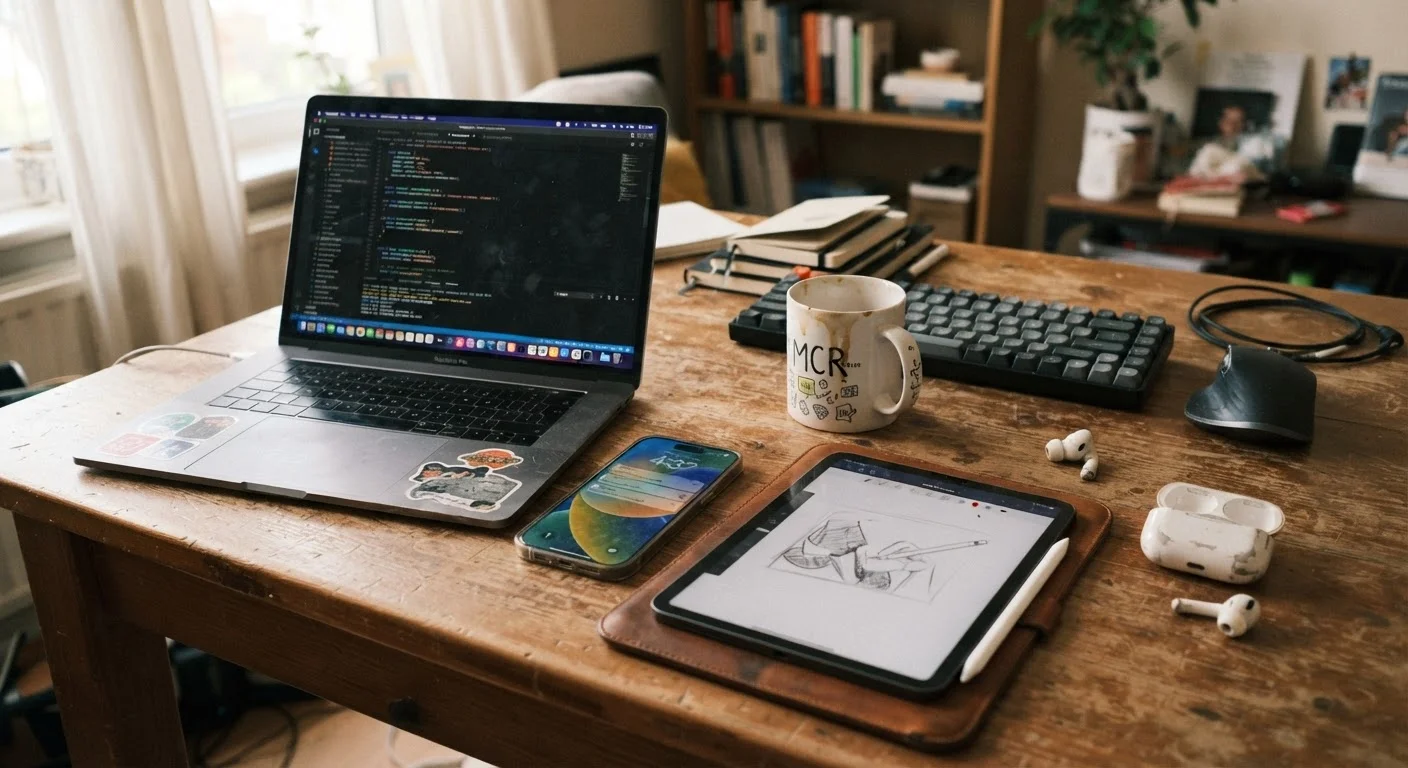
Photo: ConfiReads.com | Blogs For Inquisitive Minds editorial
Key Takeaways
- Keeping devices plugged in at 100% charge accelerates lithium-ion battery degradation over time.
- Heat is one of the most destructive forces for electronics - even brief exposure matters.
- Skipping software updates leaves security gaps and can quietly hurt performance.
- Physical storage and handling habits contribute more to device lifespan than most people realize.
- Small behavioral changes can meaningfully extend the life of phones, laptops, and tablets.
Why Everyday Habits Matter More Than Hardware Quality
When a phone slows down or a laptop barely holds a charge after two years, it's tempting to blame the manufacturer. But in many cases, the culprit is a handful of routine habits that quietly compound damage over time. The components inside modern gadgets - particularly lithium-ion batteries and precision circuit boards - are sensitive to conditions most people never think about.
Understanding which behaviors accelerate wear is the first step toward getting genuinely more years out of the devices you already own. If you're still in the buying phase, our pre-purchase gadget checklist can help you evaluate long-term costs before committing.
Battery Health Degrades - But Slowly
The Most Common Device-Shortening Mistakes
The habits below aren't dramatic failures - they're ordinary behaviors that feel harmless in the moment. That's precisely what makes them so effective at reducing device lifespan without triggering any immediate warning signs.
Keeping your phone or laptop plugged in at 100% charge all the time.
Exposing devices to high heat - whether in a hot car, direct sunlight, or on top of a warm appliance.
Ignoring software updates for weeks or months at a time.
Using low-quality or uncertified third-party chargers and cables.
Letting devices run completely dead on a regular basis before recharging.
Skipping protective cases or screen protectors, especially on phones carried in pockets with keys or coins.
Don't Store Devices in Hot Vehicles
Physical care matters just as much as digital habits. Beyond battery management and software hygiene, how and where you store your devices day-to-day contributes meaningfully to how long they remain functional. For a broader look at keeping devices responsive, visit our hub of Tech Tips & How-Tos.
Building Better Habits Without Overthinking It
The good news: none of these corrections require technical expertise. Enabling a charge limit, keeping a device away from direct sunlight, and applying a basic case are low-effort changes with compounding benefits. Most device settings menus now surface battery health information directly, so you can monitor real-world impact over time.
~500
Typical full charge cycles before noticeable battery degradation
Battery University and most device manufacturers note that lithium-ion cells typically retain roughly 80% capacity after approximately 300-500 full charge cycles under normal conditions.
113°F
Temperature threshold that begins damaging lithium-ion batteries
Apple's published device guidelines state that sustained exposure above approximately 35°C (95°F) can permanently damage battery capacity; short spikes above 45°C cause accelerated wear.
60%
Of smartphone damage claims involve cracked screens
Industry repair data consistently shows screen damage - mostly from drops - as the single most common reason consumers seek phone repairs or early replacements.
If you want a more complete picture of what separates devices that age well from those that don't, our article on gadget categories that have changed most in the past decade provides useful context on how device engineering has evolved - and what that means for maintenance expectations. Small changes in daily habit, applied consistently, can realistically add one to two productive years to a device's life.
The content on this site is for informational purposes only and is not a substitute for professional advice. Always consult a qualified professional for guidance specific to your situation.