
Everything Consumers Get Wrong About Fast Charging

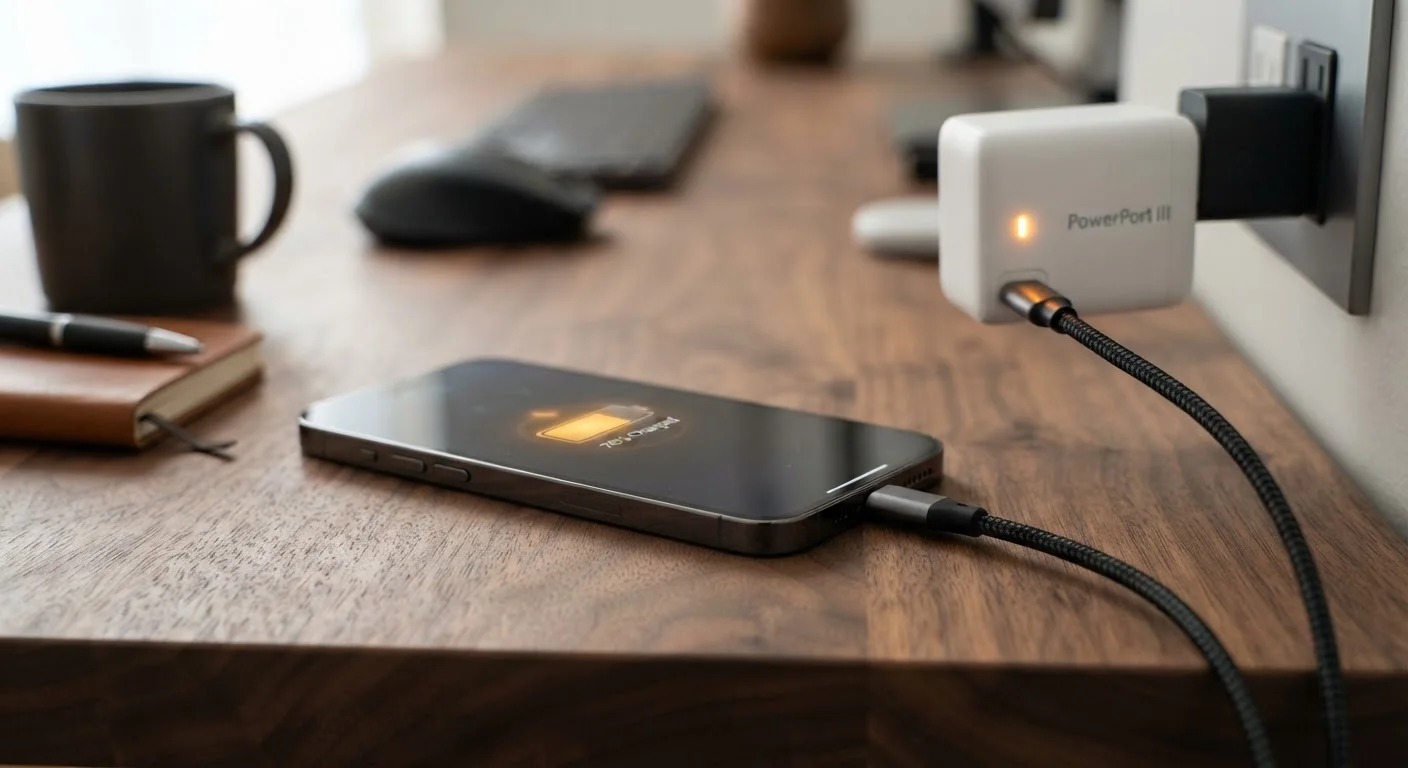
Photo: ConfiReads.com | Blogs For Inquisitive Minds editorial
Key Takeaways
- Fast charging speed depends on both the charger and the phone supporting the same standard.
- Fast charging does not significantly damage battery health when used normally.
- Higher wattage numbers on charger boxes do not guarantee faster real-world charging.
- Most phones automatically slow charging speed as the battery approaches full capacity.
- Using a certified charger from any reputable brand is generally as safe as using the original.
Why Fast Charging Confuses So Many People
Fast charging has become one of the most prominent selling points in smartphone marketing - yet it's also one of the most misunderstood features consumers encounter. Ads throw around numbers like "65W" and "120W" without explaining what they mean in daily use, and popular tech advice passed between friends often contradicts the actual engineering involved.
The result is that many people make charging decisions based on beliefs that aren't accurate - sometimes spending more money than necessary, sometimes avoiding a feature that would genuinely help them. This breakdown addresses the most common misconceptions directly, so you can charge smarter without the guesswork.
For a broader look at how charging method affects your battery over time, see our guide to wired vs. wireless charging.
Myth
Any fast charger will fast-charge my phone.
Fact
Fast charging only works when both the charger and the phone support the same charging protocol.
Fast charging isn't a universal feature - it's a handshake between two devices. Standards like Qualcomm Quick Charge, USB Power Delivery (USB-PD), and proprietary systems from manufacturers (such as VOOC or SuperDart) must be matched between charger and phone. If you plug a 65W charger into a phone that only supports 18W USB-PD, the phone will charge at 18W, not 65W. Always check your device's supported charging standard before buying an accessory.
Myth
Fast charging will ruin my battery much faster than regular charging.
Fact
Used normally, fast charging causes minimal additional battery degradation compared to standard charging.
Battery cells do generate more heat during fast charging, and sustained heat is a genuine enemy of lithium-ion longevity. However, modern smartphones include battery management systems that actively regulate temperature, current, and voltage throughout a charge session. Phones also automatically step down to slower charging speeds as the battery fills - a process called tapering. Independent testing by battery researchers has generally found that the difference in long-term degradation between fast and standard charging is small under real-world conditions.
Myth
A higher wattage number always means faster charging in practice.
Fact
Wattage ratings describe peak capability, not sustained charging speed throughout the full session.
A charger rated at 100W will deliver that power only under specific conditions - often only during the first portion of a charge when the battery is low. As charge level rises, the phone's battery management system reduces the incoming current to protect the cells. This means a 45W charger and a 100W charger may reach 80% battery in very similar times, with the gap narrowing further as both approach a full charge. The "top speed" in the marketing claim applies to a limited window.
Myth
You should always charge to 100% to get the most out of fast charging.
Fact
Fast charging slows significantly above 80%, and many battery experts suggest that regularly charging to 80-90% preserves long-term health.
Lithium-ion batteries charge fastest when they have the most capacity to absorb - typically from 0% to around 50-60%. Above 80%, the charging rate tapers sharply to prevent overheating and cell stress. Many phones now offer a "Battery Health" or "Optimized Charging" mode specifically designed to stop at 80% overnight and finish slowly before you typically wake up. This feature, available on iOS and many Android devices, is grounded in real battery science, not just marketing.
Myth
Only the original charger that came in the box is safe to use.
Fact
Certified third-party chargers that meet the relevant USB or safety standards are generally just as safe as OEM accessories.
The meaningful distinction is between certified and uncertified chargers - not between brand-name and third-party. Look for chargers certified to USB-IF standards or carrying UL, ETL, or CE marks appropriate to your region. Ultra-cheap, uncertified chargers sold without any certification marks carry real risks: inconsistent voltage, lack of surge protection, and poor thermal management. Reputable third-party brands that invest in certification testing routinely perform on par with manufacturer accessories in independent evaluations.
What This Means for Everyday Charging Decisions
Understanding these facts translates directly into better purchasing and usage habits. You don't need to buy the highest-wattage charger on the market - you need one that matches your device's supported standard. Brands like USB-IF certify chargers to established USB Power Delivery specs, and many third-party options that carry this certification perform identically to manufacturer accessories at lower cost.
80%
Battery level where fast charging begins to taper
Battery management systems in most modern smartphones begin stepping down charge current significantly around the 80% mark to reduce heat and protect cell longevity.
~20%
Typical capacity loss after 500 full charge cycles
Lithium-ion batteries are generally designed to retain roughly 80% of their original capacity after around 500 complete charge cycles under normal use conditions.
It's also worth knowing that the temperature of your phone matters during charging. Charging in a hot car or under a pillow traps heat and does more measurable harm to battery cells than the charging speed itself. Keeping your device in a cool, ventilated spot during a fast-charging session is one of the most practical steps you can take.
Many other tech behaviors follow a similar pattern - popular beliefs that quietly cost time or battery life. Our article on common tech myths covers several more worth knowing. And if you enjoy spotting costly misconceptions, the same dynamic plays out in areas like home internet speeds - where marketing numbers often tell only part of the story.
Uncertified Chargers Carry Real Risks
The content on this site is for informational purposes only and is not a substitute for professional advice. Always consult a qualified professional for guidance specific to your situation.