
Building a Skincare Routine From the Ground Up

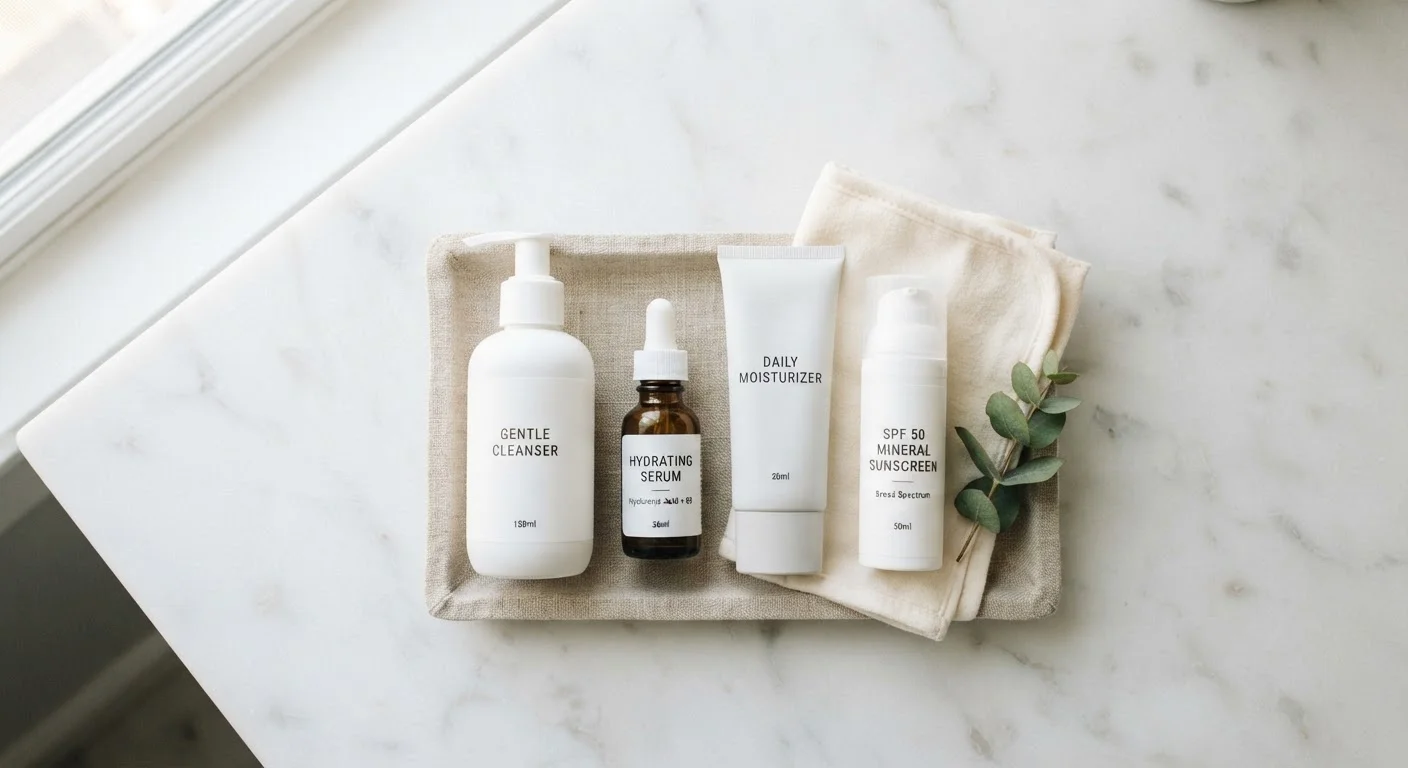
Photo: ConfiReads.com | Blogs For Inquisitive Minds editorial
Key Takeaways
- A four-step routine - cleanse, treat, moisturize, protect - covers the essentials for most skin types.
- SPF is the single most impactful product you can add to your daily regimen.
- Applying products lightest to heaviest ensures each one absorbs effectively.
- Skin type guides product choices, but consistent use matters more than brand or price.
- Introduce new products one at a time to spot any reactions quickly.
Why a Simple Routine Beats a Complex One
Walk into any beauty aisle and the options feel endless - serums, essences, mists, exfoliants, eye creams. It's genuinely overwhelming, and that overwhelm is one of the biggest reasons people don't start a routine at all. Here's the truth: a three- or four-step routine done consistently will outperform a ten-step routine done occasionally, every single time.
Skin is resilient, but it also needs time to adapt. Piling on too many new products at once makes it nearly impossible to know what's working and what's causing a breakout or irritation. Starting simple gives your skin a stable baseline - and gives you real information about what it actually needs. Before you add anything extra, make sure the fundamentals are solid. And if you're curious about the claims swirling around skincare products, this breakdown of common skincare myths is a great companion read.
Start With Just One Week
The Core Four: Your Non-Negotiable Products
Four product categories form the foundation of any effective routine. Everything else is optional until you've mastered these.
Skin barrier
The outermost layer of skin that keeps moisture in and irritants out. Supporting it is the foundation of any healthy skincare routine.
Non-comedogenic
A label indicating a product is formulated to not clog pores - especially relevant for those with oily or acne-prone skin.
Broad-spectrum SPF
A sunscreen that protects against both UVA rays (which cause aging) and UVB rays (which cause burning). Look for this label on your sunscreen.
Active ingredient
The ingredient in a product that does the targeted work - like salicylic acid for acne or niacinamide for redness. It's worth knowing what actives are in your products.
Retinoid
A vitamin A derivative used in skincare to support cell turnover and address concerns like fine lines and uneven texture. Available in both prescription and over-the-counter strengths.
- Cleanser: Removes dirt, oil, and pollutants without stripping the skin's natural moisture barrier. Choose a gentle, sulfate-free formula.
- Treatment (optional but valuable): A targeted product - like a vitamin C serum in the morning or a niacinamide serum at night - that addresses a specific concern.
- Moisturizer: Seals in hydration and supports the skin barrier. Even oily skin benefits from a lightweight formula.
- Sunscreen (SPF 30+): Broad-spectrum sun protection is the most evidence-backed anti-aging and skin-health step in any routine. It belongs in your morning lineup every single day, regardless of weather.
That's it. Master these four and you've already built a routine that most dermatologists would approve of.
How to Layer Products in the Right Order
The general rule for layering skincare is lightest to heaviest - thinner, water-based products absorb first, while thicker creams and oils go on top to seal everything in. Here's a reliable morning sequence:
- Cleanser
- Water-based serum or treatment
- Moisturizer
- Sunscreen (always last in morning)
In the evening, swap sunscreen for any nighttime treatments. Allow each product 30-60 seconds to absorb before applying the next - your skin doesn't need more time than that, but rushing can reduce effectiveness.
Sunscreen Goes On Last in the Morning
Choosing Products for Your Skin Type
Skin type is your starting point for product selection, not a rigid rule. Most people fall into one of five general categories: normal, dry, oily, combination, or sensitive. Here's how each influences your choices:
| Skin Type | Cleanser | Moisturizer |
|---|---|---|
| Dry | Cream or oil cleanser | Rich cream or balm |
| Oily | Gel or foam cleanser | Lightweight gel |
| Combination | Gentle foaming cleanser | Lotion or light cream |
| Sensitive | Fragrance-free, minimal-ingredient cleanser | Fragrance-free, barrier-supporting cream |
| Normal | Any gentle formula | Any well-tolerated formula |
Skin can also shift with seasons, hormones, and lifestyle - so check in with how your skin feels regularly rather than locking yourself into one set of products permanently.
When to Add Extras (and When to Hold Off)
Once your core routine feels stable - typically after four to six weeks - you can begin layering in targeted treatments. Common additions include retinoids for cell turnover, AHAs or BHAs for gentle exfoliation, and vitamin C for brightening. Introduce these one at a time, starting with a low concentration and using them just a few nights a week.
Don't Layer Conflicting Actives
Remember that more steps don't automatically mean better results. The goal is a routine you'll actually do every day. Think of building your skincare routine the same way you might approach building a workout routine - consistency with the basics beats occasional heroics every time. If you want to expand your overall beauty toolkit, starting a makeup collection thoughtfully follows the same philosophy: build intentionally, add gradually.
This article is for general informational purposes only and is not a substitute for personalized advice from a licensed dermatologist or healthcare professional. If you have a specific skin condition or concern, please consult a qualified professional.
Frequently Asked Questions
The content on this site is for informational purposes only and is not a substitute for professional advice. Always consult a qualified professional for guidance specific to your situation.