
Small Pets for Apartment Living: Guinea Pigs, Rabbits, and Birds Compared

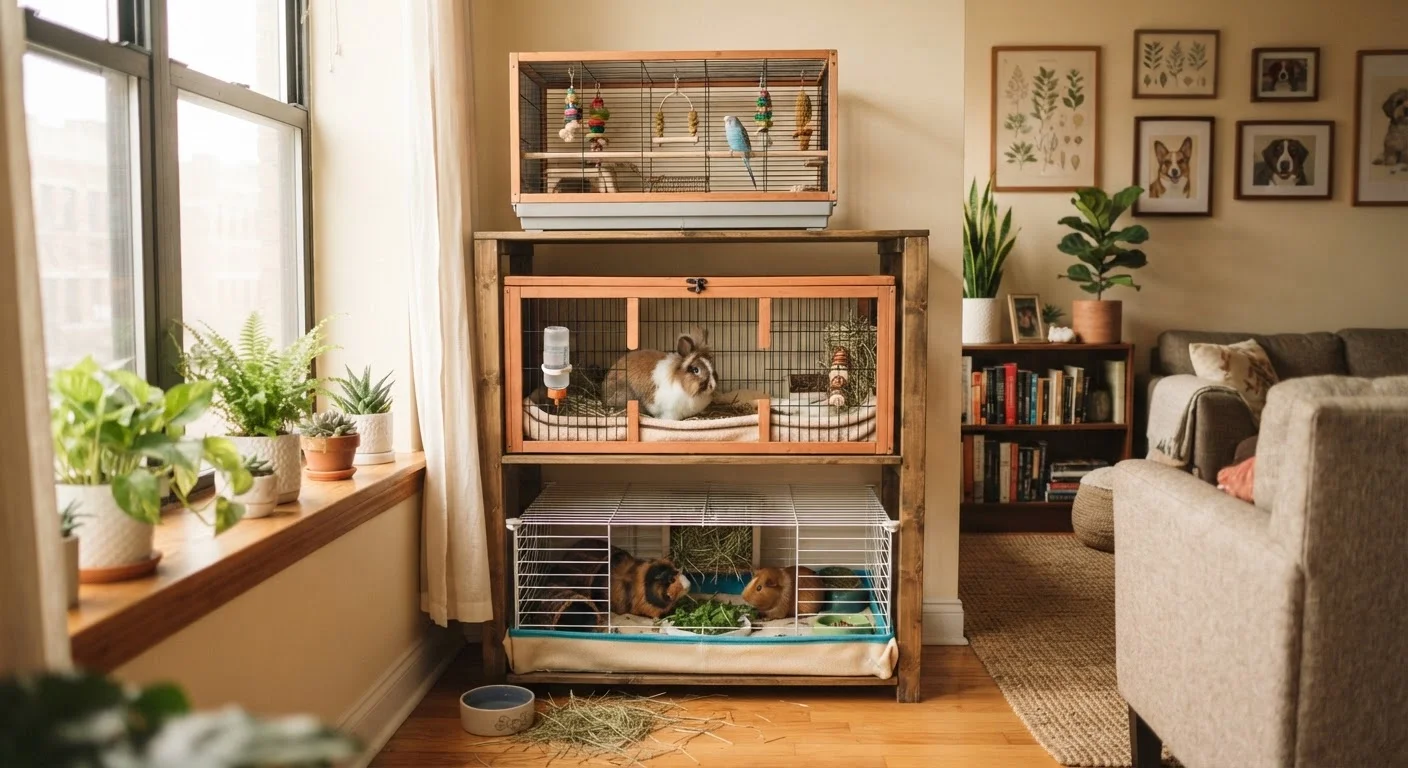
Photo: ConfiReads.com | Blogs For Inquisitive Minds editorial
Key Takeaways
- Guinea pigs are social, low-noise pets that thrive in pairs and suit calmer households.
- Rabbits need significant daily free-roam time and thorough pet-proofing of your living space.
- Birds vary enormously by species - some are quiet enough for apartments, others are not.
- All three animals require regular veterinary care from an exotic-animal-experienced vet.
- Lifespan commitments range from roughly 5 years for guinea pigs to 20+ years for some parrots.
Why the Right Small Pet Matters in an Apartment
Choosing a small pet for an apartment isn't just about size - it's about noise, odor, space requirements, social complexity, and how well a species fits your daily routine. Guinea pigs, rabbits, and birds each bring genuine rewards, but they also carry care demands that can catch unprepared owners off guard.
Before committing, it helps to think through your living situation honestly. If you're still exploring the big picture, our first-pet planning guide walks through the lifestyle questions every new owner should ask. And once you've chosen, our home safety checklist can help you spot hazards before your new companion finds them.
| Guinea Pigs | Rabbits | Birds (small species) | |
|---|---|---|---|
| Typical lifespan | 5-7 years | 8-12 years | 5-30 years (species-dependent) |
| Noise level | Low - soft vocalizations | Very low - nearly silent | Low to high - varies by species |
| Space needed | Moderate - large enclosure | High - daily free-roam required | Low to moderate - cage + out-of-cage time |
| Social requirements | High - needs a companion | Moderate - bonds with owner | Varies - some need flock, some bonds closely |
| Handling friendliness | Generally gentle | Variable - needs trust-building | Varies widely by species |
| Odor management | Daily spot-cleaning needed | Daily litter scooping needed | Cage cleaning 2-3x per week |
| Beginner suitability | High | Moderate | Low to moderate |
| Exotic vet needed | Yes | Yes | Yes |
Guinea Pigs: Sociable and Steady
Guinea pigs (also called cavies) are widely recommended as starter small pets for good reason. They are gentle, rarely bite when handled correctly, and communicate through a range of soft vocalizations - none loud enough to disturb neighbors. Their most important social requirement is companionship: guinea pigs are herd animals and generally do best when housed in same-sex pairs or small groups.
A pair needs a minimum enclosure of about 7.5 square feet of floor space, though larger is always better. They eat a straightforward diet of unlimited timothy hay, fresh leafy greens, and a small amount of vitamin C-fortified pellets - guinea pigs cannot synthesize their own vitamin C and deficiency causes serious illness. Expect a lifespan of 5-7 years and plan for regular exotic-vet checkups, as dental and respiratory issues are common. Enclosures need spot-cleaning daily and a full clean weekly to manage odor.
Always Adopt Guinea Pigs in Pairs
Rabbits: Rewarding but Demanding
Rabbits are intelligent, affectionate animals capable of forming strong bonds with their owners - but they require considerably more management than most people expect. The biggest apartment consideration is exercise: rabbits need a minimum of 3-4 hours of supervised free-roam time daily outside their enclosure. That means thorough pet-proofing of whatever area they access, since rabbits chew electrical cords, baseboards, and furniture without hesitation.
Rabbits should be spayed or neutered both to prevent reproductive cancers (especially in females) and to reduce territorial behaviors. Diet centers on unlimited grass hay, supplemented with fresh leafy greens and a small amount of pellets. Lifespan averages 8-12 years for well-cared-for indoor rabbits - a meaningful commitment. Their quiet nature is an apartment asset, but litter boxes need daily scooping. If your apartment is already compact, our article on organizing small spaces offers layout ideas that can help you carve out safe roaming areas.
Rabbits and Electrical Cords Are a Dangerous Combination
Birds: Variable by Species
"Birds" covers an enormous range of species with wildly different care profiles. For apartment living, species selection is everything. Finches and canaries are relatively quiet, largely self-entertaining, and observe rather than interact - a good fit for owners who want ambient life without heavy handling. Budgerigars (budgies) are the most popular small parrots and can be moderately quiet, though males especially may vocalize frequently. Cockatiels are affectionate but can produce piercing calls; they also require several hours of out-of-cage time daily.
Larger parrots - conures, African greys, Amazon parrots - are generally poor apartment choices due to noise levels that routinely exceed 80-90 decibels. They also require extensive social interaction and mental stimulation; under-stimulated parrots develop behavioral problems including feather destructive behavior. All pet birds need avian-experienced veterinary care, as illness often goes undetected until advanced. Lifespans range from 5-7 years for finches to 20-30 years or more for larger parrots - among the longest commitments of any small pet. For a fuller view of what long-term pet ownership involves, see our responsible ownership guide.
Making Your Final Decision
Each of these animals can thrive in an apartment in the right hands. Guinea pigs suit households wanting predictable, low-drama companionship. Rabbits reward owners who genuinely enjoy daily interactive time and can commit to thorough pet-proofing. Birds - chosen carefully by species - offer visual engagement and, for some species, real social bonds, but require honest appraisal of noise tolerance (yours and your neighbors').
Regardless of which you choose, budget for routine exotic-animal veterinary care from the start: all three species are prone to health conditions that benefit from early detection. Review your lease carefully, as some buildings restrict exotic pets even when cats and dogs are permitted. For ongoing home management alongside a small pet, the principles in our guide to setting up a safe home environment apply across all three species.
This article provides general educational information about small pet care and is not a substitute for advice from a licensed veterinarian. Consult an exotic-animal veterinarian before acquiring a new pet and for any health concerns.
The content on this site is for informational purposes only and is not a substitute for professional advice. Always consult a qualified professional for guidance specific to your situation.