
Small Space, Full Life: Organizing a Family Home Under 1,200 Square Feet

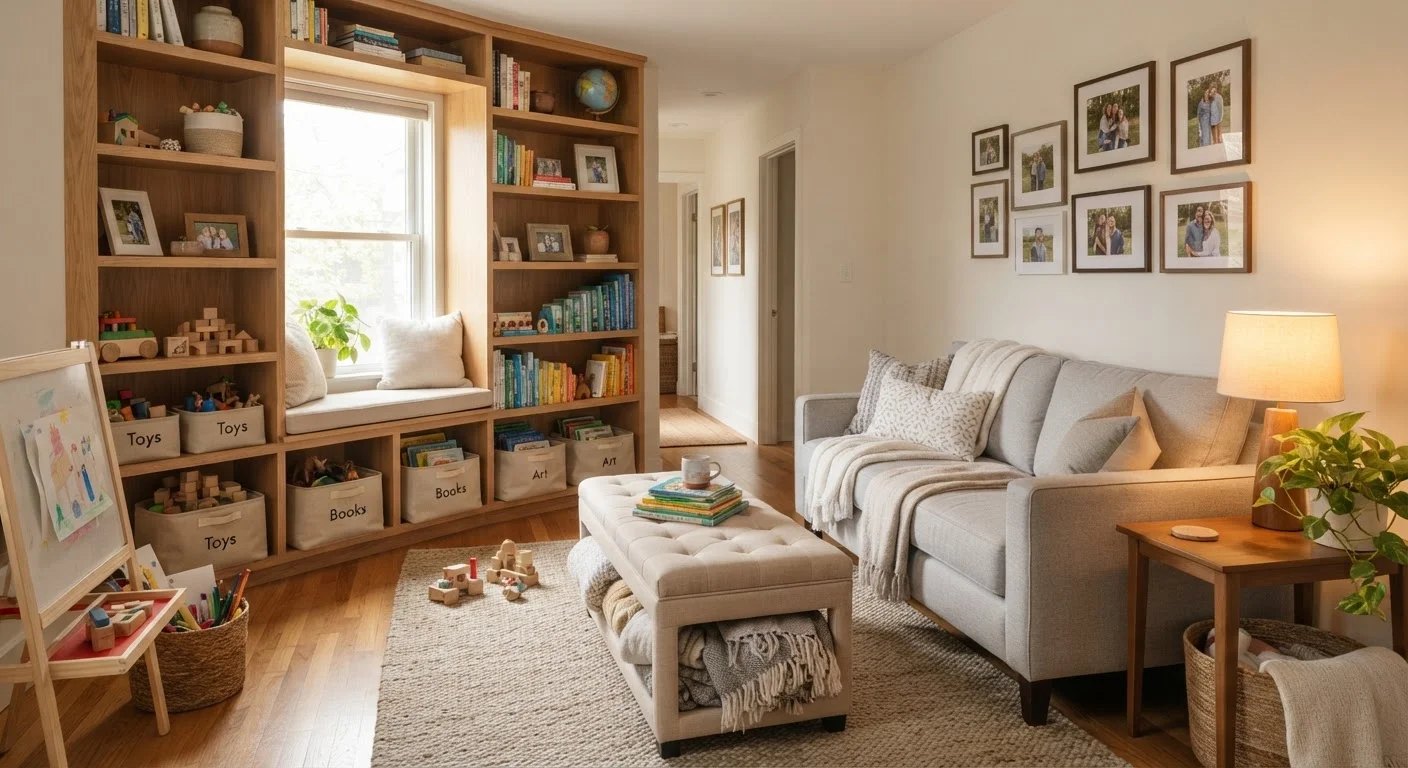
Photo: ConfiReads.com | Blogs For Inquisitive Minds editorial
Key Takeaways
- Vertical wall space is your most underused asset in a small home - shelves and hooks multiply storage without consuming floor area.
- Every piece of furniture in a compact home should serve at least two purposes whenever possible.
- Decluttering before organizing is essential; storage solutions cannot compensate for too much stuff.
- Assigning a dedicated home to every category of item prevents clutter from creeping back.
- Small consistent habits like a daily reset routine maintain order far better than periodic overhauls.
Why Small Homes Demand a Different Organizing Logic
Organizing advice written for large homes - dedicated mudrooms, walk-in closets, basement storage - doesn't translate directly to a home under 1,200 square feet housing a family. The math simply doesn't allow for single-purpose rooms or furniture. What works instead is a layered approach: reduce volume first, then extract every cubic foot of hidden storage from the space you have, and finally build the daily habits that keep it working.
The good news is that compact homes have a genuine advantage: less space means fewer places for clutter to hide, and a well-organized small home is faster to clean and easier to maintain. If you're also thinking about how to right-size other areas of your life alongside your home, our Budgeting Basics hub covers practical ways to align spending with what actually matters to your household.
Declutter Before You Organize
Below you'll find the tools and prerequisites to get started, followed by a six-step process you can work through at your own pace - a full weekend or spread across several evenings.
What you will need
Gather what you'll need before starting:
Stud finder
Locates wall studs so shelves and hooks are anchored safely into structural support.
Drill and screwdriver set
Required for installing wall-mounted shelves, hooks, and cabinet hardware.
Measuring tape
Ensures furniture and storage units fit your available wall and floor space accurately.
Clear stackable bins
Standardized containers maximize shelf and closet space and make contents visible at a glance.
Label maker or adhesive labels
Assigns a clear home to every category so all household members can maintain the system.
Over-door organizers
Converts unused door backs into storage for shoes, cleaning supplies, or pantry items.
Step-by-Step: Organizing a Compact Family Home
Work through these steps in order. Each one builds on the last - skipping ahead to buying storage products before completing the declutter phase is the most common reason organizing efforts don't stick.
Map your space and identify the biggest friction points
Walk through your home and note where clutter consistently lands - the entryway floor, the kitchen counter, the foot of the stairs. These accumulation zones signal missing storage or missing habits, not personal failure. Measure each room's wall lengths, ceiling height, and any alcoves. Knowing your exact dimensions before buying a single item prevents costly mismatches and reveals wall runs you haven't yet used.
Declutter by category, not by room
Pull every item from a single category - clothing, kids' toys, kitchen gadgets, paper - across the whole house before deciding what stays. This reveals duplicates and forgotten items you'd miss if you organized room by room. Apply a simple filter: does this item earn its square footage? If your household hasn't used it in 12 months and it has no sentimental or seasonal purpose, let it go. Donate, recycle, or discard before a single bin is purchased.
Audit and replace furniture for dual-purpose function
In a home under 1,200 square feet, every major furniture piece should justify its footprint by serving at least two functions. A storage ottoman replaces a coffee table and holds blankets or toys. A bed frame with built-in drawers eliminates the need for a separate dresser. A bench in the entryway with cubbies below handles both seating and shoe storage. List the furniture you currently own and flag anything that performs only one function - those are candidates for replacement or removal.
Install vertical storage on underused wall space
Most families in small homes fill their floor space but leave walls bare from shoulder height to ceiling. Open shelving, floating shelves, and wall-mounted cabinets in that zone are free real estate. In the kitchen, a pot rail or magnetic knife strip frees up two or three drawers. In kids' rooms, a tall bookshelf with bins on upper shelves and books at child height keeps the floor clear. Use a stud finder and drill into structural support - do not rely solely on drywall anchors for anything heavier than a few pounds.
Assign a dedicated home to every category of item
The fastest way a tidy space unravels is when household members don't know where things belong. After decluttering and adding storage, assign a specific, logical home to every category: school papers go in the desktop file box, dog leashes hang on the entryway hook, medications live in the bathroom cabinet's top shelf. Make the "right place" the easiest place - if putting something away requires more steps than setting it on the counter, the counter will always win. Keeping a Clean Home With Kids and Pets explores how consistent systems reduce daily mess in active households.
Build a daily reset habit into the household routine
No organizing system survives without a maintenance habit. A 10-minute household reset before bed - everyone returns items to their assigned homes - prevents the slow drift back to clutter. It works best when it's tied to something already in the routine, like after dinner cleanup or before bath time for children. For seasonal upkeep tasks that go hand-in-hand with keeping a small home functional year-round, the Seasonal Home Maintenance checklist offers a room-by-room breakdown of what to address every three months.
Use Clear Bins and Consistent Labels
If you share your home with a pet, the same principle of assigned homes applies to their gear. Our guide to setting up a safe home environment for a new pet includes room-by-room tips for integrating pet supplies without adding chaos. And if you're considering a small companion animal suited to apartment or compact-home living, Small Pets for Apartment Living compares space needs across popular options.
Wall-Mounted Shelves Require Secure Installation
The content on this site is for informational purposes only and is not a substitute for professional advice. Always consult a qualified professional for guidance specific to your situation.